Mastering Long Island Wine Blending at Commack Cellar
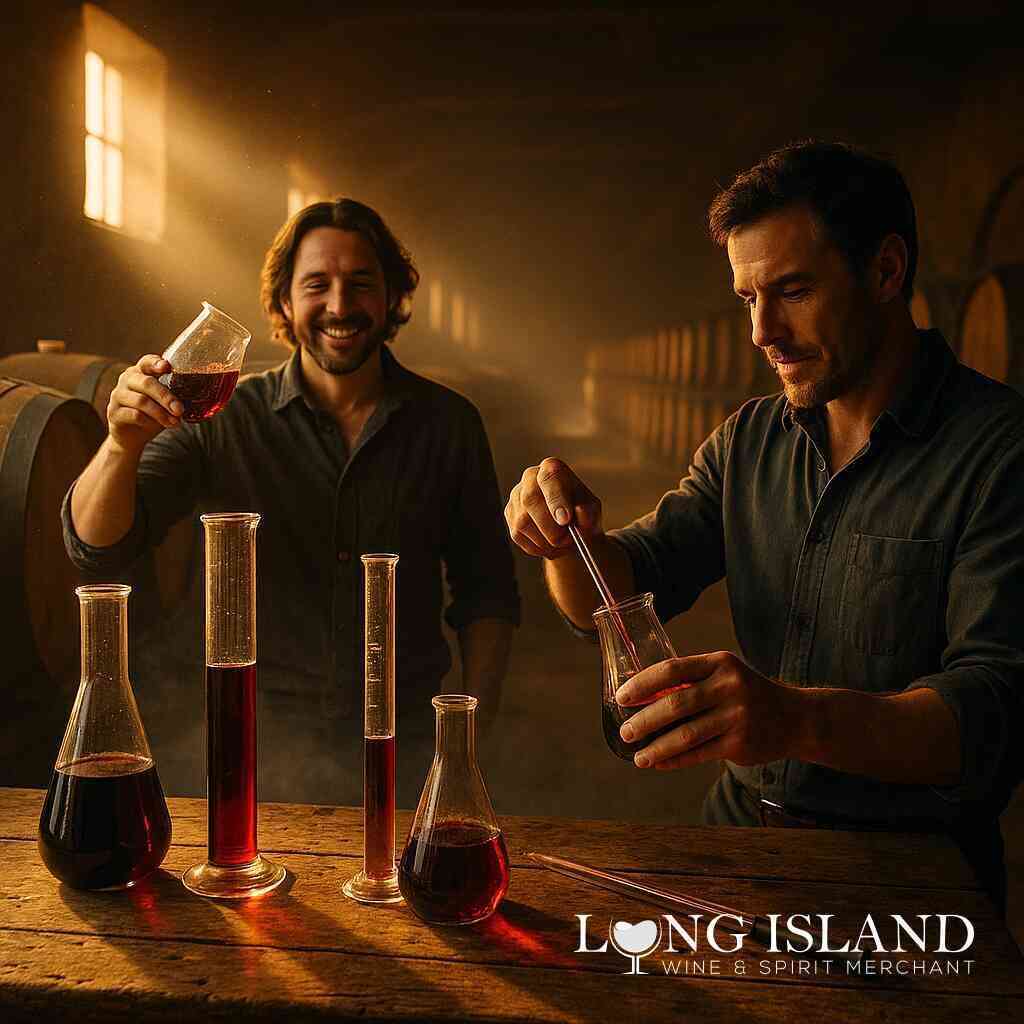
Long Island wine blending is equal parts science, craft, and sensory intuition. This overview walks through the hands-on process taught inside the Commack cellar at Long Island Alcohol Store and explains how the same skills elevate any carefully stocked home bar.
Why Component Quality Comes First
Every great blend starts with pristine building blocks. Single-parcel cabernet sauvignon, merlot, petit verdot, and chardonnay arrive in separate lots. Each lot is evaluated for:
- Ripeness and natural sugar balance.
- Acidity that keeps the future wine lively.
- Aromatic lift — berries, herbs, citrus, or floral notes.
By holding lots apart until the final moment, the team preserves the personality of each vineyard block. A blend can only be as good as its pieces, so early sensory work saves time and protects quality later.
The Micro-Lot Marriage Method
Instead of tipping entire barrels together, winemakers experiment in 250-milliliter beakers. Called “micro-lot marriage,” the approach lets tasters adjust ratios in real time:
- Start with a cabernet base for structure.
- Add 5 %–10 % merlot to soften tannins.
- Introduce a 2 % splash of petit verdot if deeper color or spice is desired.
- Evaluate texture, length, and aromatics, then fine-tune by single-percent steps.
The exercise feels like culinary seasoning. Small changes make dramatic differences in mouthfeel and finish. Because the trials use tiny volumes, no wine is wasted if an experiment falls flat.
Tasting Like a Cellar Pro
Blending sessions begin with barrel sampling while the wine is still aging on fine lees. To help newcomers see, smell, and describe what is happening inside the wood, instructors use a step-by-step grid:
- Sight: Color density, rim variation, and viscosity hints at concentration and alcohol.
- Aroma (Phase One): Keep the nose just above the glass rim. Identify primary fruit before swirling.
- Aroma (Phase Two): Swirl once, then look for secondary notes — herbs, floral tones, toast.
- Taste: Sip, let the wine coat the palate, slurp in air, and exhale through the nose. Note sweetness, acidity, tannin, and length.
- Conclusion: Decide if the sample will serve as backbone, mid-palate contributor, or accent in the eventual blend.
Repeating this grid across several barrels calibrates the palate quickly. By the second or third flight, most students can spot differences in oak toast level or subtle maritime salinity that would have felt identical at first pass.
Terroir Awareness: North Fork Versus South Fork
Long Island’s twin forks deliver distinct expressions:
- North Fork gravel and clay soils create wines with minerality, bright red fruit, and firm acidity.
- South Fork sandy loam yields plusher textures, riper black fruit, and rounder tannins.
During workshops, side-by-side barrel samples highlight these contrasts. Participants learn when a salty North Fork component should lead and when a softer South Fork lot can add warmth. The result is an authentic Long Island voice rather than an imitation of another region.
Sustainability in Practice
Partner vineyards rely on cover crops, minimal sprays, and hand harvesting. These low-impact choices not only protect workers and soil; they also keep subtle site markers intact until the bottle reaches your table. Tasters can still sense seaside air or meadow herb notes after blending because the fruit was never stripped of its nuance by aggressive farming.
Bringing Wine and Spirits Under One Roof
Just steps from the barrel room, shelves of gin, rum, rye, and single-malt whiskey reinforce a bigger lesson: philosophy matters more than category. A drinker who loves blackberry-driven cabernet may also gravitate to rye finished in red wine casks. Someone praising the saline edge of a North Fork white might enjoy a coastal-style gin. Staff members trained in both oenology and mixology help visitors connect those dots.
For home bartenders, the takeaway is powerful:
- A well-curated bar does not require dozens of bottles. It requires bottles that share balance, layered flavor, and a clear sense of origin.
- Tasting across wine and spirits trains the palate faster than focusing on one beverage family alone.
Step-by-Step at a Commack Blending Session
- Orientation (15 min) – Safety, glassware, palate warm-up with neutral crackers and spring water.
- Barrel Walk (30 min) – Draw samples from French and American oak, note toast levels.
- Component Evaluation (45 min) – Use the tasting grid to score structure, fruit, and finish.
- Micro-Lot Trials (60 min) – Blend in beakers, debate ratios, and document results.
- Consensus Cuvée (15 min) – Assemble the group’s favorite formula in a larger flask.
- Debrief (15 min) – Compare the blend against individual samples; discuss improvements.
The entire class lasts roughly three hours, long enough for meaningful discovery yet short enough to keep flavors crisp in memory.
Practical Tips for DIY Blending at Home
You do not need a cellar to try the principles yourself:
- Buy two or three single-varietal wines from the same region and vintage.
- Use a digital scale or measuring spoons to keep ratios precise.
- Mix 50 ml test batches, record notes, and adjust in 5 ml increments.
- Taste again the next day; oxygen integration overnight can change impressions.
- When satisfied, upscale the recipe and pour into a clean decanter.
The exercise deepens appreciation for balance and teaches how subtle tweaks—more acid here, softer tannin there—shape the entire drinking experience.
Key Takeaways
- Component quality and separate lot management are non-negotiable foundations.
- Micro-lot marriage allows experimentation without risking full barrels.
- Structured sensory grids sharpen perception and catch flaws early.
- Recognizing terroir variations within Long Island leads to more expressive blends.
- Cross-training with spirits expands flavor vocabulary and home bar versatility.
Long Island Alcohol Store’s Commack cellar proves that blending is both approachable and endlessly rewarding. Whether you hope to create a dinner-party showstopper or simply understand your next glass better, the techniques shared here provide a roadmap. A few beakers, disciplined notes, and curiosity are all it takes to reveal the art—and the pleasure—behind every harmonious sip.
Unveiling Wine Blending Skills at Long Island Alcohol Store


Comments
Post a Comment