Mastering Long Island Whiskey Selection: A Local Guide
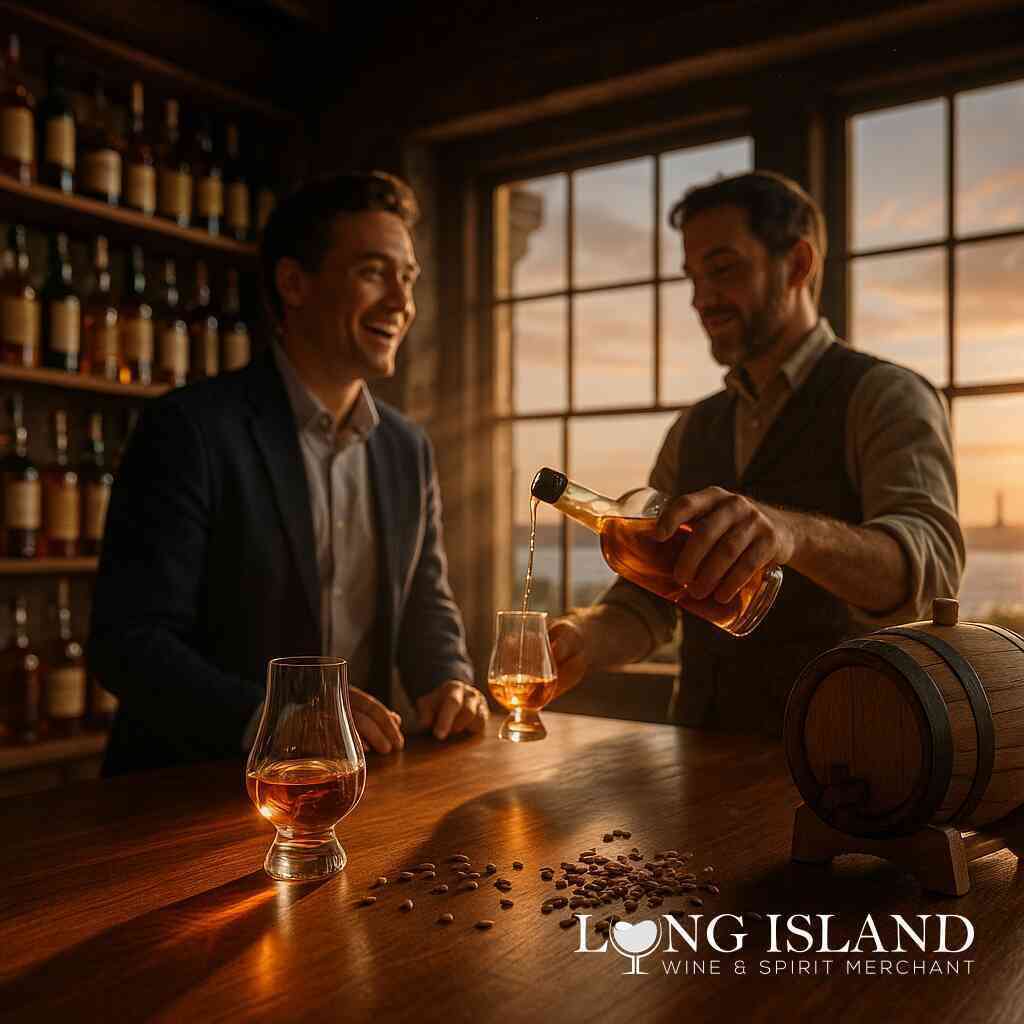
Whiskey culture on Long Island has never been more dynamic. From Commack tasting rooms to North Shore bottle shops, the region is carving out a reputation for knowledgeable curation and adventurous palates. This guide explains how local shops build their selections, what makes Long Island terroir unique, and how shoppers can navigate the ever-widening world of bourbon, rye, and single malt.
Why Whiskey Thrives on Long Island
Deep agricultural roots
Long Island agriculture was first known for potatoes, then grapes, and now grains destined for stills. Family farms provide maltsters with barley kissed by Atlantic breezes, while limestone-rich wells feed mash tuns. That farm-to-barrel pipeline means stores can highlight spirits produced only a short drive away, giving consumers fresh, hyper-local options alongside imports.
A crossroads of influence
Proximity to New York City brings steady demand for global bottles, yet Long Island’s suburban pace allows staff to offer slower, story-driven service. Customers can taste a Speyside single malt, compare it with a Hudson Valley rye, and leave with clear notes on why each spirit sings in its own register. Such breadth makes local shops informal classrooms for both newcomers and seasoned collectors.
The Pillars of a Thoughtful Whiskey Shelf
Provenance first
Whether the bottle hails from Kentucky or Islay, origin matters. Shop buyers look at grain sources, yeast strains, water profile, and barrel history before placing an order. Clear labeling—farm, distillery, even cooperage—helps shoppers make informed choices and trace flavors back to their roots.
Balance between rarity and accessibility
Allocated single barrels create excitement, but everyday sippers sustain the community. Reputable stores reserve a small portion of highly sought-after releases for public tastings or lotteries, fostering fairness. Meanwhile, they keep dependable staples in stock so enthusiasts can hone tasting skills without draining their wallets.
Staff education
The best selections reflect staff who read historic distilling texts, attend sensory workshops, and taste broadly. Their knowledge turns a crowded shelf into a curated experience. When team members explain how a high-rye bourbon’s cinnamon spike differs from a soft-wheat mash bill, buyers learn to map their own preferences.
Exploring Key Categories
Small-batch and barrel-proof bourbon
Bottles often arrive unfiltered at 115–130 proof. High alcohol preserves dark sugars and toasted spice, yet a few drops of water can unlock citrus and praline. Consider tasting in half-ounce pours, then circling back once the dram has opened in the glass. A smart habit: nose first, sip second, add water third.
Rye whiskey
Rye thrives in the Northeast, so Long Island shops lean into its peppery punch. Expect expressions ranging from youthful mint-led profiles to older bottles that deliver dried fruit, cocoa, and leather. Tasting flights reveal how barrel char levels can tame rye’s bite or amplify its baking-spice edge.
Single malt Scotch
Shelves generally flow from sweet Highland and Speyside drams to maritime whiskies from Skye, finishing with the peaty intensity of Islay. Moving through that progression teaches the palate to detect fruit, honey, brine, and smoke in deliberate steps rather than all at once.
World whiskey
Japanese, Indian, and Australian distillers are now staples, not novelties. Their climate-driven aging curves—short, hot seasons or cool, humid warehouses—offer fresh perspectives on oak influence. A comparative flight beside American single malt can spotlight just how much environment shapes texture and aroma.
Practical Tips for Shoppers
- Start with intention. Decide whether you want a versatile house bottle, a collector’s showpiece, or a new flavor frontier. Share that goal with staff.
- Taste before you invest. Many Long Island stores schedule weekly pours. Even a tiny sample prevents buyer’s regret.
- Keep a tasting journal. Record nose, palate, and finish in three concise lines. Patterns emerge quickly.
- Embrace transparency. If a bottle lists grain origin or barrel type, note it. Over time you will learn what wood finish or mash bill resonates most.
- Rotate glassware. A Glencairn focuses aromatics; a tumbler mutes harsh edges. Using both on the same whiskey can be eye-opening.
The Role of Technology
Digital inventory systems alert buyers when a rare cask arrives, while algorithm-based quizzes suggest bottles that match past favorites. Some shops now engrave bottles in-house, turning a special pick into a personalized gift without compromising cork integrity. Despite these tools, the heart of selection remains human curiosity and conversation.
Responsible Enjoyment and Community
Whiskey culture flourishes when shared. Bottle-share nights, moderated forums, and educational panels encourage dialogue over one-upmanship. Long Island stores often host charity tastings where allocated bottles are opened rather than hidden away, reinforcing that the value of whiskey lies in the experiences it creates, not only its resale price.
Final Thought
A well-built whiskey selection is less about stacking rare labels and more about telling a coherent story—one that connects local grain fields to Scottish peat bogs, new-char oak to sherry-seasoned casks, and novice sippers to lifelong collectors. Long Island’s best shops curate those stories with respect for tradition and an eye toward innovation. Approach the shelf with curiosity, ask informed questions, and each bottle becomes a chapter in a wider journey through grain, fire, and time.
What Is the Essence of Whiskey Selection at Long Island Store


Comments
Post a Comment