Luxury Spirits Defined: Traits, Selection Tips, and Value
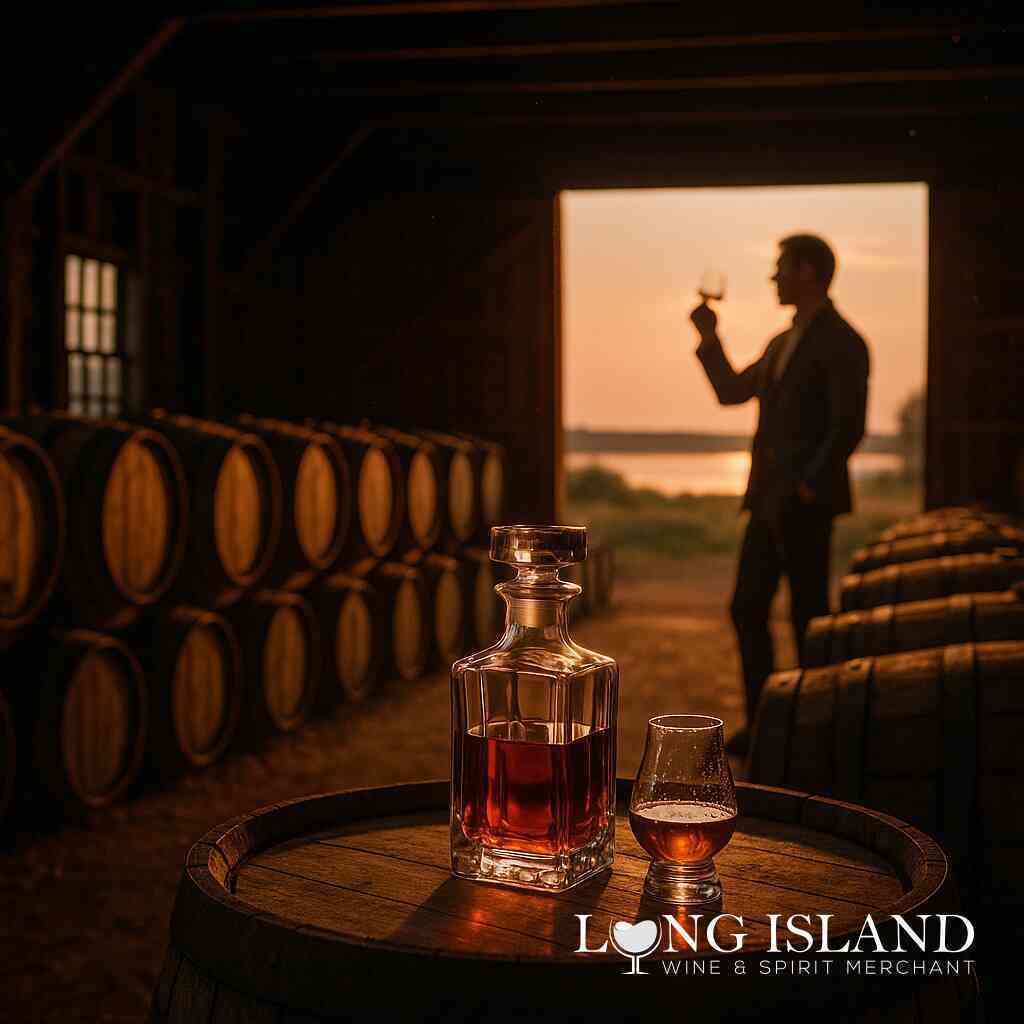
Understanding Luxury Spirits
The phrase “luxury spirits” gets used often, yet many shoppers still wonder what truly separates an ultra-premium bottle from an ordinary top-shelf pick. This guide breaks down the markers that specialists, collectors, and leading retailers—such as Liquor Store Open in Commack, New York—use to classify a spirit as luxury.
1. Provenance and Heritage
A luxury label usually begins with an authentic story. Multi-generation distilleries, region-protected appellations, and single-estate sourcing all add tangible credibility. These factors matter because they influence raw ingredients, fermentation style, and barrel selection, creating a signature flavor that cannot be replicated elsewhere. When a bottle lists the exact agave field, vineyard plot, or barley farm, you are looking at a producer confident enough to spotlight traceability.
Quick checkpoints
- Clear mention of region or estate
- Historical milestones on the back label
- Transparency about grain, fruit, or cane genetics
2. Ingredient Integrity
At the luxury tier, producers rarely use neutral bulk spirit or additives for color consistency. Instead, they rely on high-quality base materials and patient aging. For whiskey this means estate-grown barley or heritage corn varieties; for tequila, fully mature, hand-harvested agave. The absence of artificial sweeteners, glycerin, or industrial coloring preserves natural mouthfeel and depth.
3. Time in Cask
Extended maturation is one of the easiest metrics to verify. A stated minimum of 12, 18, or even 30 years assures buyers that the spirit has rested long enough to absorb complex notes from oak. Importantly, age statements refer to the youngest liquid in the bottle. If a single-malt Scotch declares 18 years, every drop has spent at least that long in wood—often under the supervision of a master blender who tastes each barrel annually.
How long is “long enough”?
- Rum and tequila: 5–10 years can reach luxury status if aging occurs in high-quality barrels.
- Cognac and Armagnac: XO (minimum 10 years) is a baseline; vintages may stay in cask for decades.
- Whiskey: 12 years signals premium; 18–25 years is firmly luxury.
4. Cask Management Techniques
Luxury producers treat every barrel like an individual project. Practices include:
- Single-barrel releases where one cask is bottled without blending.
- Double or triple finishing in sherry, port, or rare wine casks to layer flavor.
- Cask-strength bottling to maintain natural proof and viscosity.
These approaches add labor and evaporation cost (the “angel’s share”), but they also create nuanced, collectible profiles.
5. Limited Availability
Scarcity alone does not guarantee quality, yet most luxury spirits are made in small lots. Some distilleries cap production at a few hundred cases, while others release numbered bottles, each accompanied by a certificate of authenticity. This controlled output maintains consistency and fuels secondary-market demand, an attractive point for investors.
6. Packaging That Respects the Liquid
Premium glass, hand-blown decanters, or engraved metal plaques can elevate presentation. The best packages, however, remain functional: heavy bases for stability, dark glass or wooden housings to protect from UV light, and resealable stoppers that preserve the liquid once opened.
7. Critical Acclaim
While awards are subjective, consistent high scores from respected panels signal broad agreement on a spirit’s excellence. Look for medals from reputable competitions or 90-plus ratings from recognized critics. These validations indicate that the bottle’s reputation extends beyond clever marketing.
Choosing Luxury Spirits at a Retailer
A well-run shop simplifies research by grouping high-end selections and providing shelf talkers with production details. Liquor Store Open, for instance, highlights age, proof, barrel type, and distiller notes on its tags, allowing guests to compare quickly. When browsing:
- Start with style. Decide if you want a smoky single-malt, a fruity XO cognac, or an earthy extra-añejo tequila.
- Check the age or maturation method. Ensure the label verifies years in cask or unique finishes.
- Verify batch size or bottle number. Small-batch releases often appear on the neck label or back tag.
- Ask about storage. A reputable retailer keeps luxury spirits upright, away from heat and sunlight.
- Request tasting notes. Many high-end shops host sampling events or maintain open bottles for education.
Using Luxury Spirits at Home
A collector may tuck rare bottles away for value appreciation, yet luxury spirits are ultimately crafted to be enjoyed. Consider these serving tips:
- Glassware matters. Use a tulip-shaped nosing glass for whiskey or a wide-bowled snifter for aged rum to concentrate aromas.
- Mind the water. A few drops of room-temperature spring water can unlock hidden layers in cask-strength releases.
- Temperature control. Serve at cellar or room temperature (around 65 °F) to balance volatility and aroma.
- Minimal garnish. High-grade tequila or cognac shines neat or with a single clear ice cube—no need for elaborate cocktails unless flavor pairing is your goal.
When Does Premium Become Investment-Grade?
Investment-grade spirits combine four attributes: proven brand reputation, aging potential after bottling, extremely limited release, and documented secondary-market trading. Not every pricey bottle will appreciate in value, but those meeting these criteria—think single-barrel bourbons from closed distilleries or numbered decanters of 40-year Cognac—often command premiums over time.
Key Takeaways
- Luxury spirits stem from transparent heritage, superior raw materials, and patient, precise aging.
- Barrel management techniques—single cask, finishing, or cask strength—deepen complexity and justify elevated price points.
- Authentic scarcity and thoughtful packaging support, but do not replace, liquid quality.
- A knowledgeable retailer provides clear labeling and proper storage, helping buyers make informed decisions.
- Whether collecting or sipping, treat luxury spirits with respect: proper glassware, controlled temperature, and appreciative company amplify the experience.
An informed approach demystifies the category and ensures every pour delivers on its promise of depth, craftsmanship, and indulgence.
https://www.liquorstoresopen.com/what-is-the-definition-of-luxury-spirits-at-liquor-store-open/


Comments
Post a Comment