Long Island Wine in 2025: Tasting Trends and Top Terroirs
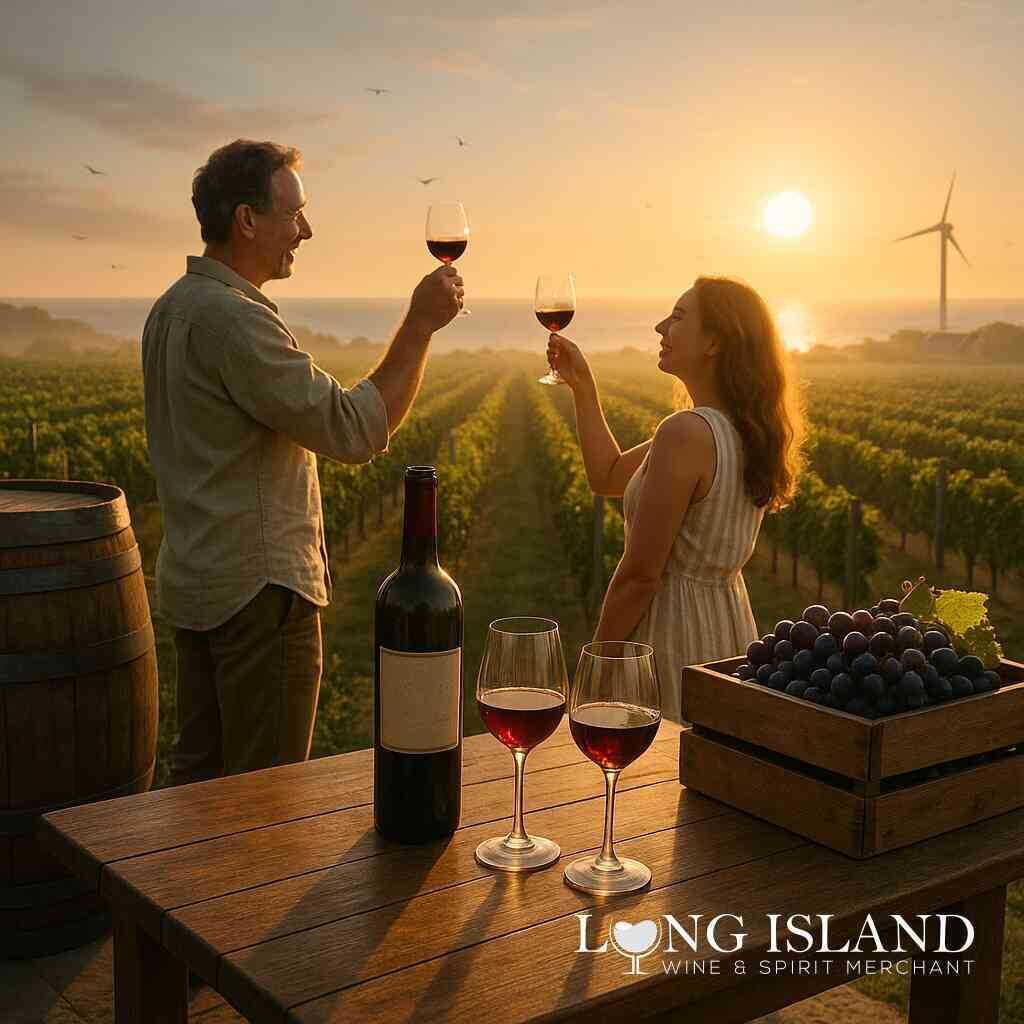
Long Island Wine in 2025: What Sets the Glass Apart
Long Island wine has shifted from regional curiosity to a globally respected category in 2025. This overview highlights the factors driving that rise and offers practical insights for anyone who plans to taste, collect, or simply understand the bottles coming off the Island today.
The New Global Reputation
For years Long Island was known mainly to New Yorkers looking for a seaside weekend. Now sommeliers in Paris, London, and Tokyo speak of North Fork merlot and Hamptons chardonnay with genuine respect. Three elements underpin that reputation:
- Maritime Climate – Steady breezes moderate summer heat and extend the growing season, allowing grapes to ripen slowly without losing acidity.
- Sandy Loam Soil – Fast-draining soils reduce disease pressure and encourage vines to struggle just enough, intensifying flavor.
- Small-Lot Winemaking – Most estates produce under 10,000 cases. Attention stays on vineyard detail rather than volume.
The payoff appears in structured reds that age gracefully and whites that keep bright mineral lift even when barrel-fermented.
How the Interactive Taste Quiz Changed Local Palates
Digital tools rarely influence farming choices, yet the Island’s popular wine taste quiz did exactly that. By asking shoppers a dozen quick questions—preferred sweetness, tolerance for oak, comfort with tannin—it produced individualized bottle suggestions. Thousands of data points flowed back to vintners, revealing notable trends:
- Rising demand for low-sugar rosé encouraged longer, cooler fermentations and earlier bottling.
- Growing interest in cabernet franc prompted several estates to graft over merlot blocks they once considered untouchable.
- Curiosity about skin-contact whites led to experimental lots of orange chardonnay and pinot gris.
Because feedback was nearly real time, wineries could adjust blending and vineyard planning within a single season rather than waiting years for market signals.
Redefining “Fine Wine and Good Spirits” in 2025
Today’s wine consumer values transparency and convenience as much as flavor. On Long Island that means:
- Sustainable Farming – Organic or regenerative practices are the new baseline, not a marketing perk.
- Traceability – Vineyard blocks, yeast strains, and barrel sources are often printed on back labels or accessible by QR code.
- Seamless Access – Same-day local delivery and temperature-controlled shipping allow collectors to purchase limited releases without visiting the cellar door.
Convenience features no longer feel like gimmicks; they are integral to the perception of quality. A pristine bottle that arrives warm in July is simply not considered premium.
Terroir Snapshot: Where Each Style Shines
North Fork: Structure and Salinity
Wedged between Long Island Sound and Peconic Bay, the North Fork benefits from cool nights and steady wind pressure. Classic expressions include:
- Merlot with Graphite and Black Cherry
- Cabernet Franc Showing Pepper and Rose Petal
- Brisk Sauvignon Blanc with Salty Edge
Tannins are firm yet polished, making these reds reliable cellar candidates.
The Hamptons: Elegance Under Fog
Proximity to the Atlantic often shrouds South Fork vineyards in morning mist. Cooler temperatures yield:
- Chardonnay Balancing Citrus and Subtle Creaminess
- Pinot Noir with Cranberry, Tea, and Soft Earth
- Sparkling Wines of Notable Finesse
Lower alcohol and higher acidity make Hamptons bottlings popular with fine-dining chefs seeking food-friendly pairings.
Island-Wide Experimental Lanes
Small growers scattered across both forks continue to test limits. Current projects to watch:
- Pét-Nat Blends of chenin blanc and riesling
- Tempranillo thriving in sheltered Peconic pockets
- Orange Wines fermented on skins for 20-30 days, offering ginger spice and tannic grip
Quantities remain tiny, but they keep the region’s reputation for creativity alive.
Tasting Guide for 2025
Below is a straightforward framework for exploring Long Island bottles this year. Adjust based on personal preference and food pairing needs.
| Desired Profile | Grape / Style | Serving Tips |
|---|---|---|
| Bold yet Fresh | Cabernet Franc | Decant 30 minutes; pair with grilled lamb |
| Plush & Velvety | Merlot | Serve at 60 °F; works well with mushroom risotto |
| Zesty & Mineral | Sauvignon Blanc | Chill to 50 °F; complements oysters or goat cheese |
| Elegant Sparkle | Traditional-method Brut Rosé | Keep at 45 °F; ideal with sushi or brunch |
| Adventurous | Skin-Contact Chardonnay | Slight chill (55 °F); pair with spicy ramen |
Practical Buying Tips
- Look for Vintage Variation – The maritime climate moderates extremes, yet differences between, say, 2022 and 2023 can still be pronounced. Check producer notes before committing to a case.
- Consider Aging Potential – Serious merlot and cabernet blends often improve for a decade or more. Whites, especially oak-matured chardonnay, can develop nutty complexity after five years.
- Purchase Direct When Possible – Allocations of experimental lots disappear quickly from retail shelves. Winery mailing lists or trusted local merchants are your best access point.
- Mind Storage – Even with short shipping distances, summer heat spikes are common. Choose refrigerated shipping or take advantage of retailer cold-chain delivery.
Food Pairings Unique to the Region
Long Island offers not only wine but also seafood, produce, and dairy that mirror its maritime influence. Some standout pairings include:
- Peconic Bay Scallops with Stainless-Steel Chardonnay – Sweet shellfish accentuates the wine’s green apple notes.
- Montauk Fluke Ceviche with Albariño – A growing handful of vineyards bottle this Spanish grape, and its saline lift matches citrus-cured fish.
- Duck à l’Orange with Mature Merlot – Fatty richness counters firm tannin while orange glaze echoes subtle red-fruit sweetness.
Looking Ahead
As climate pressures intensify worldwide, Long Island’s moderating ocean effect positions it well for steady quality in the coming decade. Vineyards are experimenting with drought-tolerant rootstocks and canopy techniques that shade fruit without sacrificing airflow. Expect more plantings of Mediterranean varieties such as vermentino and mourvèdre, which appear well suited to the Island’s evolving weather patterns.
At the same time, technology will continue to shorten the path from vineyard to consumer. Augmented-reality labels and blockchain traceability are already in pilot stages, promising even greater transparency.
Key Takeaways
- Long Island now commands genuine global respect thanks to its maritime climate, sandy soils, and small-lot focus.
- Digital feedback loops, highlighted by the interactive taste quiz, directly influence vineyard decisions and broaden consumer choice.
- "Fine wine" in 2025 means sustainable farming, transparent sourcing, and seamless delivery—not just flavor in the glass.
- Distinct sub-regions offer varied profiles: North Fork structure, Hamptons elegance, and experimental micro-lots across the Island.
- Thoughtful storage, vintage awareness, and regionally inspired food pairings maximize enjoyment.
Long Island’s ascent proves that compelling wine can emerge wherever terroir, innovation, and community align. Whether you are a collector seeking age-worthy reds or a casual drinker after a bright coastal white, the Island now provides options that stand shoulder-to-shoulder with the world’s most storied regions.
The Ultimate Review of Long Island Wine Taste in 2025


Comments
Post a Comment