Long Island Wine Heritage: Terroir, Trends, and Future
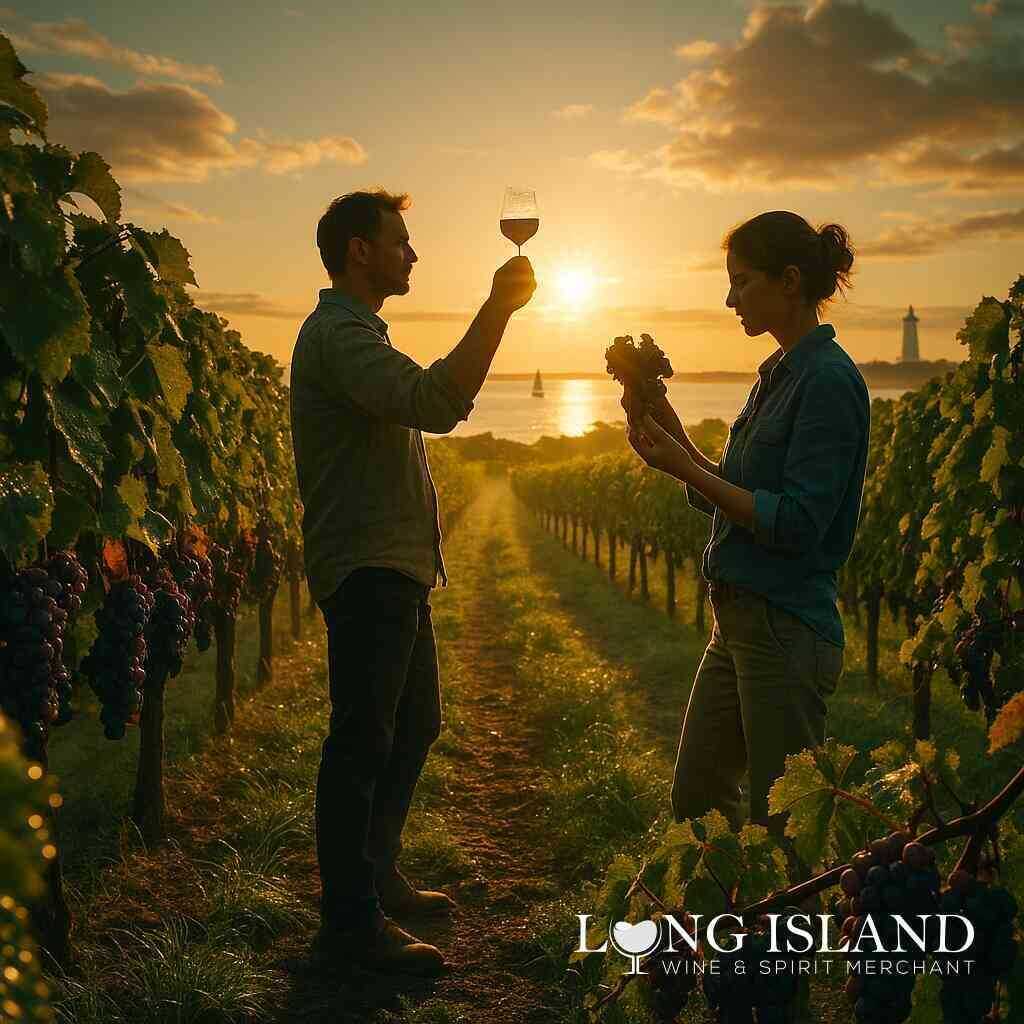
A Shoreline Shaped by Vines
Long Island may be famous for its beaches, but its moderating waters also nurture one of the most intriguing wine regions in the United States. Cool sea breezes temper summer heat, while gentle autumns allow grapes to ripen slowly and evenly. The result is a climate that delivers bright acidity, refined tannins, and a subtle saline edge that sets Long Island wines apart.
How Maritime Conditions Define the Vineyards
- Temperature moderation: Surrounding bays and the Atlantic keep spring frost risk low and prolong hang-time into October.
- Humidity management: Steady breezes reduce mildew pressure, letting growers use fewer sprays.
- Soils of glacial origin: Sandy loam over gravel drains quickly after rain, forcing vines to dig deep and concentrate flavor.
Local growers capitalize on these conditions with precise canopy management and minimal irrigation. The philosophy is simple: let the site speak and intervene only when nature wavers.
North Fork: The Peninsula of Patience
Stretching between Peconic Bay and Long Island Sound, the North Fork feels purpose-built for slow, deliberate ripening. Days are sunny yet mild; nights cool but never harsh. That balance delivers reds with fine-grained tannins and whites that stay vibrant even at generous ripeness.
Flagship Varieties
- Merlot – Dense black cherry, graphite, and a whisper of sea salt. Often aged in French oak for polish but rarely overwhelmed by wood.
- Cabernet Franc – Red-berry crunch, savory herbs, and pepper; ideal for consumers seeking energy over weight.
- Albariño – Zesty citrus and peach wrapped in mouthwatering acidity, proving the region handles aromatic whites as well as it does Bordeaux reds.
Sustainability plays a central role. Cover crops fix nitrogen, oyster shells from nearby bays help buffer soil pH, and many estates run on solar power. For visitors, the peninsula offers quiet country roads, farm stands, and tasting rooms that encourage unhurried exploration.
The Hamptons: Luxury Meets Low-Impact Farming
South Fork vineyards occupy sandier soils and enjoy extra ocean influence. While the Hamptons name suggests glamour, the wineries emphasize restraint and authenticity.
- Architectural appeal: Modern barn designs frame vine rows and use reclaimed wood, blending style with sustainability.
- Experiential tastings: Barrel samples, jazz brunches, and art installations create a cultural hub that attracts both novices and collectors.
- Local synergy: Chefs pair estate wines with day-boat seafood, creating a true ocean-to-table narrative.
Many estates also distill botanical gin and aged brandy, allowing guests to compare wine and spirits under one roof without losing the regional through-line of freshness and finesse.
Chardonnay’s Quiet Revolution
Chardonnay arrived on Long Island in the late 20th century but only recently achieved its own voice. The current house style favors:
- Multiple clones for layered aromatics.
- Cool fermentations in stainless steel or concrete eggs to protect orchard fruit notes.
- Partial malolactic fermentation for a silky mid-palate, stopped before butter dominates.
- Measured oak: Mostly neutral barrels or a brief stint in new French oak, adding subtle brioche rather than overt toast.
The resulting wines deliver green apple, Meyer lemon, and crushed shell minerality. Critics now place the best Long Island Chardonnay alongside premier domestic examples from Sonoma and Willamette.
Beyond the Classics: What’s Next?
Emerging Grapes
- Grüner Veltliner shows white pepper and lime, thriving in cooler pockets.
- Lagrein offers dark fruit and firm structure, giving winemakers another age-worthy red.
- Riesling retains electric acidity even in warmer seasons, ideal for off-dry styles that pair with local Thai and Indian cuisine.
Regenerative Practices
Growers experiment with biochar, compost teas, and under-vine sheep grazing to improve soil health. The goal is carbon-negative viticulture that protects the bays from runoff and positions Long Island as an environmental leader.
Technology with a Light Touch
Precision sensors now map moisture and nutrient stress vine by vine. This allows targeted irrigation and fertilization, reducing input while maintaining consistency. Drones assist with canopy imaging, alerting crews before disease spreads.
Tourism and Accessibility
Wine tourism underpins rural economies, yet many consumers discover Long Island bottles at home through reliable delivery services. This hybrid model broadens the customer base without crowding tasting rooms. For visitors, thoughtful spacing of appointments keeps the experience personal, and most estates accept walk-ins only during shoulder seasons to preserve that intimacy.
Taste-Planning Tips
- Start on the North Fork for morning light and quiet roads.
- Break for a dockside lunch of oysters and local rosé.
- Continue to a Hamptons estate for sunset barrel samples.
- Bring a small cooler; many whites are sold chilled and aromatics remain fresher on the ride home.
Storing and Serving Long Island Wines
- Cellar conditions: 55 °F and 70 % humidity suit most bottles, though aromatic whites benefit from earlier consumption.
- Ideal drinking windows:
- Unoaked Chardonnay: within 2–3 years.
- Merlot and Reserve Reds: 5–10 years for peak complexity.
- Sparkling Wines: versatile; enjoy young for vibrancy or after five years for brioche depth.
- Food pairings: Merlot loves grilled duck, Cabernet Franc flatters tomato-based dishes, and Albariño shines with shellfish.
The Road Ahead
Long Island has moved from under-the-radar curiosity to serious contender on the national stage. The key to its future lies in:
- Climate adaptation: Selecting drought-tolerant rootstocks and heat-resilient clones without losing the region’s hallmark freshness.
- Community collaboration: Shared research, open-door policies, and unified marketing amplify the message more than any single producer can.
- Balanced growth: Expanding acreage while safeguarding wetlands and village character.
For wine lovers, the takeaway is simple: now is an ideal moment to explore Long Island’s dual legacy of maritime charm and modern technique. Whether through a weekend visit or a thoughtfully shipped case, each bottle offers a taste of shoreline, science, and spirited creativity distilled into liquid form.
Review of Long Island’s Wine Heritage and Its Future


Comments
Post a Comment