Long Island Whiskey Guide: 10 Local Bottles to Try Now
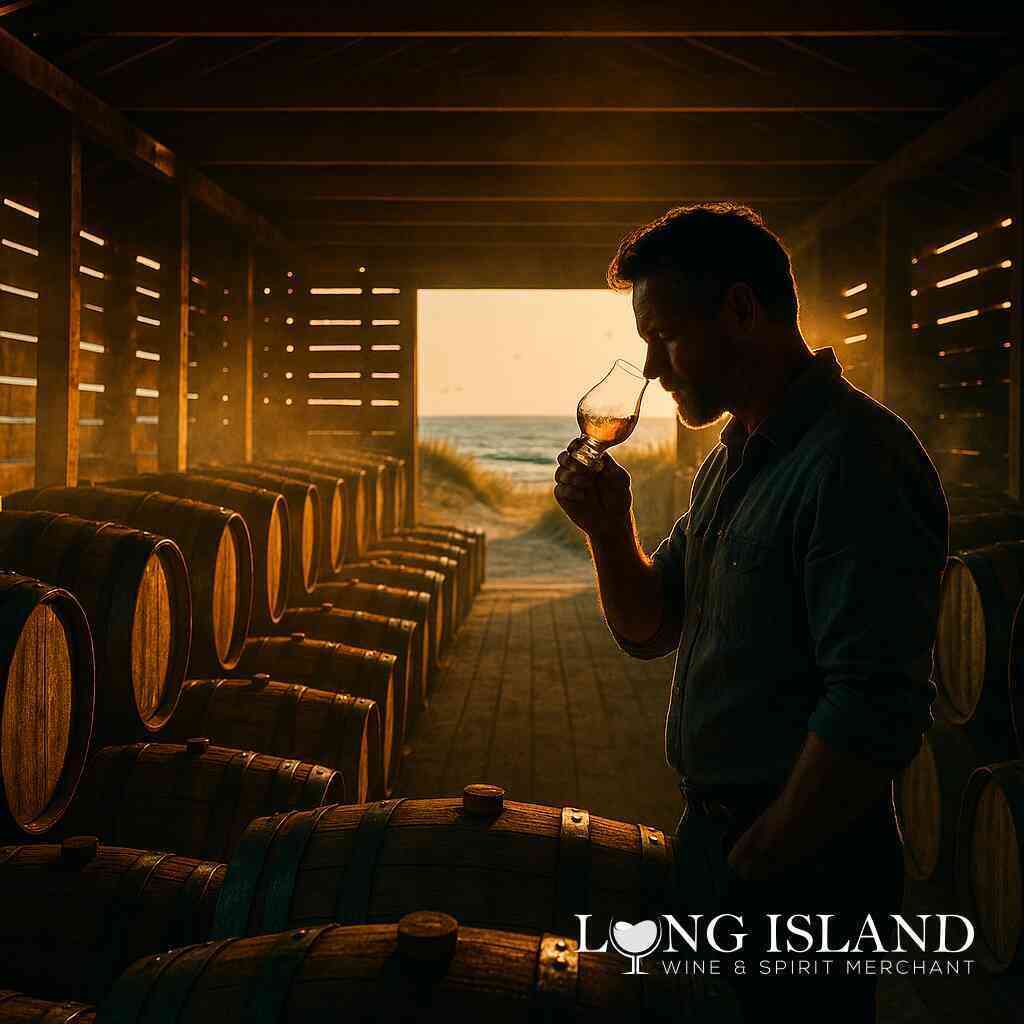
Long Island distillers are proving that regional character matters just as much in whiskey as it does in wine. Coastal humidity, maritime winds, and locally grown grain all shape the spirit before it reaches your glass. This guide highlights ten standout bottles made within a short drive of the Commack storefront. Each one captures a different slice of the island’s palate, from briny single malts to bold high-rye bourbons.
1. North Fork Grain-to-Glass Single Malt
Bright green apple, toasted almond, and a whisper of sea salt define this early-harvest malt. The distillery ferments at cooler temperatures, protecting delicate orchard notes that pair effortlessly with raw oysters or steamed mussels.
Why it stands out
- 100 % Long Island barley malted on site.
- Aged in refill American white oak for a softer spice profile.
- Briny finish mirrors the nearby coves.
2. Montauk Cask-Strength Rye
Drawn straight from the barrel at around 115 proof, this rye offers clove, cinnamon, and fresh-cut pine. Adding a few drops of water releases dried cherry and cocoa.
Serving tip: Use in an Old Fashioned with orange bitters; the higher proof punches through the dilution without losing nuance.
3. Peconic Bay Wheated Bourbon
Soft red winter wheat from Suffolk farms brings silky texture and notes of vanilla custard. A lighter char (Level 2) keeps smoke in check and lets caramelized sugar shine.
Food pairing: Buttermilk-fried chicken or sweet corn chowder.
4. South Shore Smoked Corn Whiskey
Locally grown non-GMO corn is cold-smoked over Atlantic driftwood before mashing. Expect campfire aromas layered with honeycomb and grilled peach.
Sustainability angle: Spent grain heads to a neighboring dairy farm less than two miles away.
5. Hempstead High-Rye American Malt
Borderline spicy, this hybrid style uses 51 % rye and 49 % malted barley. Peppery entry is balanced by blossom honey and lemon peel.
Best enjoyed neat in a copita glass to focus the floral top notes.
6. Shelter Island Solera Single Malt
A fractional blending system keeps a trace of every vintage in each release. Older components add fig and leather, while younger whiskey contributes fresh pear.
Why sip it slowly: Layers unfold over 20–30 minutes as the glass warms.
7. Long Beach Maple-Finished Corn Whiskey
After two years in new oak, the spirit rests another six months in casks that previously held coastal maple syrup. The result is crème brûlée sweetness balanced by light saline.
Cocktail idea: Substitute for rum in a Maple Daiquiri; use lime juice to cut richness.
8. Fire Island Peated Malt
Peat harvested from local marshland gives a gentler smoke than its Islay cousins. Think smoldering driftwood and seaweed rather than medicinal iodine.
Perfect with bluefish pâté or smoked gouda.
9. Nassau Nine-Grain Bourbon
A complex mash bill—corn, rye, wheat, barley, oats, triticale, spelt, millet, and buckwheat—creates a broad flavor spectrum. Expect roasted hazelnut, baking spice, and a flash of citrus zest.
Community impact: Each grain comes from a different family farm, spreading economic support across the island.
10. Gold Coast Apple-Wood-Aged Rye
Rather than traditional oak, this rye spends its final year in locally coopered apple-wood barrels. Floral potpourri on the nose, followed by spiced cider and a crisp, dry finish.
Try it with sharp cheddar or apple-pie crumble for a reinforced orchard theme.
How Maritime Conditions Shape These Whiskeys
Salt-laden breezes push moisture into barrel staves, accelerating maturation and adding subtle brine. Nights cool quickly near the water, slowing oxidation and preserving fruit esters. The temperature swing between day and night is smaller than in Kentucky, so the oak impact is often more nuanced. These factors combine to create spirits that feel brighter and less tannic than many inland counterparts.
The Importance of Local Grain Contracts
Several featured distilleries contract local growers for heritage rye and non-GMO corn. Grain harvested at dawn can be mashed by afternoon, delivering fresher cereal sweetness. Lower transport mileage also cuts carbon output, satisfying eco-minded drinkers without compromising flavor.
Tasting Room Tips for 2025
- Call ahead to ask about seasonal single-barrel releases; many sell out quickly.
- Bring a small notebook—proximity means you may taste experimental batches not yet labeled.
- If driving, plan stops within the same county to minimize travel time and maximize palate freshness.
- Hydrate between tastings; sea air and proofy whiskey can dehydrate faster than you think.
Closing Thoughts
Long Island’s whiskey scene has matured into a vibrant ecosystem tied tightly to local agriculture and maritime climate. Whether you prefer the spice of high-rye or the subtle smoke of coastal peat, a bottle on this list can serve as a liquid postcard from the shoreline. Exploring these ten expressions offers a practical way to support regional producers while expanding your own tasting vocabulary.
Top 10 Locale-Specific Whiskey Choices by Long Island Liquor Store


Comments
Post a Comment