Long Island Spirits: Online Shopping and Local Revival
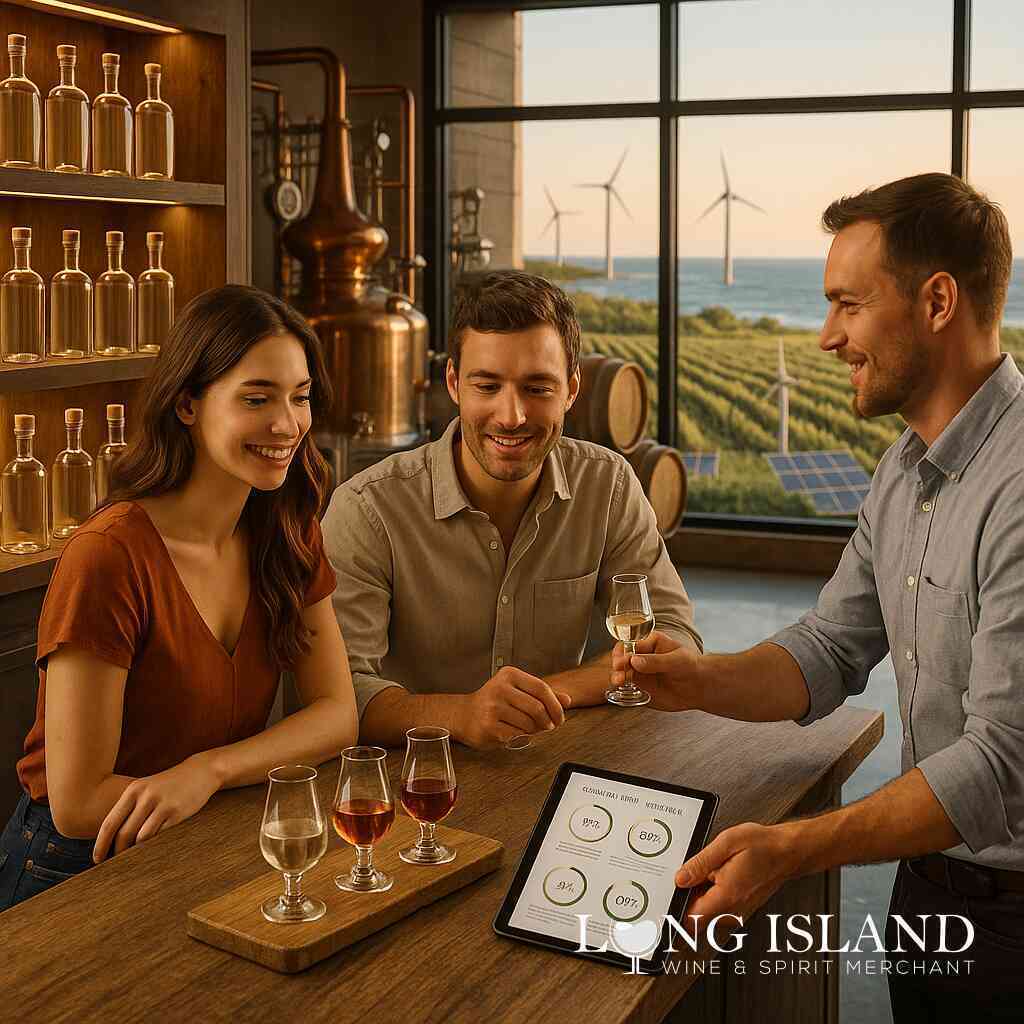
Long Island’s craft distilling scene is expanding fast, and the way drinkers buy those bottles is evolving just as quickly. This guide explores how a new wave of digital convenience, sustainable production, and experiential retail is shaping the future of Long Island spirits—from hyper-local gin and terroir-driven whiskey to nationwide shipping that keeps fragile bottles safe.
Why Long Island Matters in 2025
Long Island offers fertile farmland, salty air, and a community that supports independent producers. Those advantages translate into true regional character. Whether it is a gin infused with beach rose hips or a bourbon finished in North Fork merlot barrels, every bottle tells a geographic story. As more distillers open, the region is becoming a reference point for quality American spirits rather than a niche curiosity.
At the same time, shoppers have grown comfortable purchasing premium alcohol online. Reliable packaging, transparent carrier policies, and age-verification tools remove many of the barriers that once limited shipping. The result is an intersection of place and platform: a local renaissance that can now reach living rooms from Seattle to Miami overnight.
Key Trends Shaping the Market
1. Secure Coast-to-Coast Delivery
Modern fulfillment centers use molded pulp inserts, temperature-resistant liners, and shock-absorbing dividers so bottles arrive intact. Real-time tracking keeps customers informed from warehouse to doorstep. This dependability encourages experimentation; buyers can confidently order a two-bottle test run of a small-batch rye without fear of breakage.
2. Experiential Online Shopping
Static product grids no longer satisfy curious drinkers. Higher-end platforms present tasting notes, production methods, and 360-degree bottle spins. Short videos show master distillers discussing yeast strains or oak selection. Interactive quizzes match flavor preferences with recommended styles, recreating a guided in-store conversation in digital form.
3. Marketplace Culture and Transparency
Consumers want origin details, sustainability credentials, and honest reviews before committing to a $70 cask-strength release. Robust filtering—by grain type, barrel program, organic certification, or women-owned status—helps shoppers align purchases with personal values. Comprehensive education builds trust and encourages responsible enjoyment.
4. Hyperlocal Botanicals and Terroir-Focused Whiskey
Gin producers forage coastal botanicals such as bayberry leaves, mugwort, and sea kelp for distinct maritime notes. Whiskey makers lean on grains grown within a few miles of the still and age spirits in warehouses that experience Atlantic humidity swings. This commitment to sense of place differentiates Long Island from larger commodity brands.
5. Digital Collectibles and Authentication
Limited-edition releases now ship with tamper-proof seals and blockchain certificates. Collectors can verify provenance with a quick scan, ensuring that a numbered bottle of peated single malt truly came from the stated barrel. This technology protects enthusiasts while giving small distillers a credible path into high-value segments.
What Buyers Gain Today
• Access to micro-lot releases that previously sold only at the distillery door.
• Convenience of next-day delivery within Long Island and two-day delivery to most major U.S. cities.
• Curated bundles—such as a Long Island coastal gin flight or a farm-to-glass whiskey trio—that simplify gift-giving and home tasting events.
• Educational content that builds confidence, from cocktail recipes to food-pairing charts.
How Distillers Benefit
• Broader customer reach without immediate investment in multi-state distribution agreements.
• Direct feedback loops as shoppers leave verified reviews and tasting impressions.
• Cash-flow stability through preorder campaigns and subscription clubs.
• Marketing storylines that emphasize sustainability and community impact rather than price alone.
Building a Responsible Spirits Ecosystem
Convenience must pair with accountability. Platforms now integrate ID verification at checkout, package labeling that discourages theft, and clear guidelines for permissible delivery hours. Many also donate a portion of sales to local alcohol-awareness programs. By weaving education and safeguards into the buying experience, stakeholders foster a culture that celebrates craft while respecting wellness.
Planning a Long Island Spirits Tour
If you want to experience production firsthand, several routes are worth mapping:
- North Fork Trail – Start in Riverhead, work east through vineyards, and finish at a waterfront distillery using estate-grown rye.
- South Shore Cocktail Loop – Visit speakeasy-style bars in Patchogue and Bay Shore for signature cocktails featuring local amaro.
- Hamptons Barrel Release Weekend – Timed ticketed events let visitors taste straight from the cask before purchasing exclusive bottlings.
Tasting rooms typically charge modest fees that convert to bottle credits, so it can be sensible to book in advance during summer.
Tips for First-Time Online Shoppers
- Check Temperature Controls – Warm-weather shipping may require insulated packaging or hold-for-pickup services.
- Read the Flavor Grid – Many sites list aroma, palate, and finish on a simple chart that speeds decision-making.
- Start Small, Compare Notes – Order two comparable spirits (e.g., two wheat whiskeys) and taste side by side. Jot impressions; you will learn faster than sampling months apart.
- Mind Local Laws – Some states limit direct-to-consumer spirits shipments. Reputable stores flag restricted zones before checkout.
Looking Ahead
Over the next few years, expect even tighter integration between digital and physical spaces. Virtual reality tasting rooms could allow small groups in different cities to share guided flights. Zero-waste refill programs may ship spirits in reusable glass canisters that return via prepaid mailers. Distillers will continue to push flavor boundaries by experimenting with heirloom grains, climate-controlled maturation, and collaborations with local breweries and wineries.
For Long Island, the goal is not only wider distribution but deeper identity. As consumers everywhere discover coastal gin or merlot-finished bourbon, the region’s agricultural roots and artisan skill stay in the spotlight. That synergy between heritage and technology is what makes the current moment feel like a true renaissance—and a model other craft communities may follow.
Final Thought
Whether you are planning an on-island tasting weekend or adding an adventurous rye to your holiday bar, the tools and talent now exist to make the journey seamless. Thoughtful logistics keep bottles safe, rich storytelling brings producers closer, and rigorous standards ensure quality. In 2025, Long Island spirits are no longer a local secret; they are a national conversation in every digitally connected glass.
The Future of Long Island Spirits at Liquor Store Open


Comments
Post a Comment