Long Island Sake Innovations: Inside the 2025 Retail Revolution
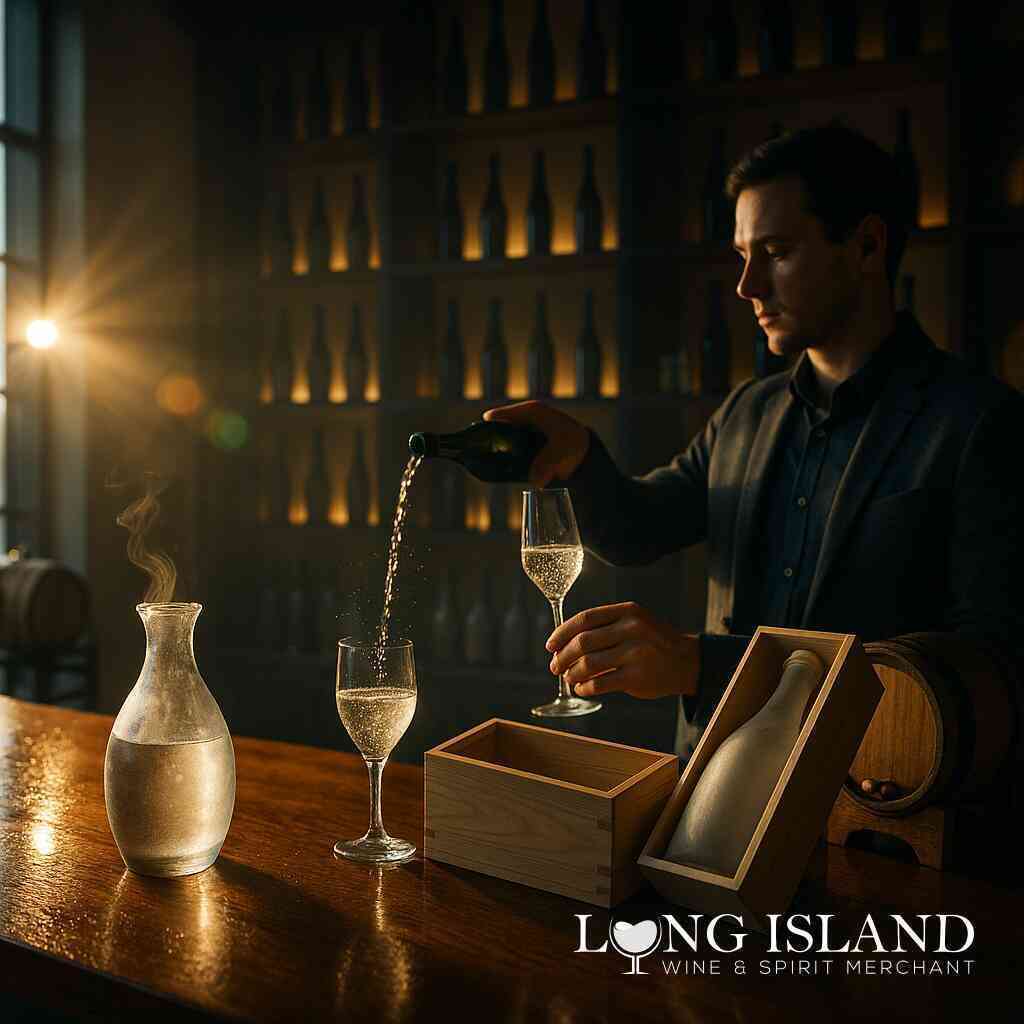
A Quiet Retail Space Turns into Sake Central
Long Island Alcohol Store in Commack started as a dependable answer to every "alcohol near me" search. By 2025, it has quietly become one of the most forward-thinking sake destinations in the United States. Walk inside today and you will see temperature-controlled rice wine alongside classic bourbon, gin, and Long Island cabernet. The shift did not happen by accident—it grew from staff curiosity, disciplined product curation, and the belief that American drinkers are ready for rice fermentation on the same level as grape and grain.
Why a Liquor Store Became a Sake Laboratory
Three trends converged:
- Diners wanted lower-alcohol options that still feel premium.
- Local sushi bars asked for fresher, more diverse bottles.
- E-commerce made it possible to ship delicate beverages in perfect condition.
Management responded by hiring a certified sake adviser and redesigning the back room into a cold storage lab. Today, staff can explain why a muroka genshu tastes bigger than its modest 16 % ABV or how cedar aging adds a faint sandalwood finish.
Guided Shopping: From Polishing Ratios to Koji Aroma
Most American drinkers recognize words like Junmai or Nigori but stop there. The Commack team breaks down the next layer of detail in plain language:
- Rice polishing ratio – A diagram near the shelf shows a whole rice grain slowly shrinking from 100 % to 50 %. Short captions describe how each level moves flavor from grainy to delicate melon.
- Yeast selection – Color-coded neck tags indicate aromatics: blue for floral, green for herbal, orange for tropical.
- Acidity scale – A simple 1-to-5 chart helps shoppers spot bottles that can cut through fried chicken or temper wasabi heat.
The result is a stress-free path from curiosity to confidence. Visitors often begin with a familiar nigori and, after a ten-minute conversation, leave with a cedar-aged taruzake or sparkling Junmai Daiginjo they had never heard of at the start of the visit.
Tasting Stations That Teach
Dedicated refrigerators keep flight kits at precise serving temperatures. Each kit includes three 4-ounce minis, a tasting card, and a QR code linking to a five-minute video lesson. Typical flights:
- Classic vs. Modern – Earthy kimoto, clean Junmai, and a high-polish Daiginjo show how production methods impact texture.
- Still vs. Sparkling – A bone-dry usu-nigori sits next to a gently carbonated trendsetter to illustrate how bubbles lift off umami.
- U.S. vs. Japan – A small-batch Brooklyn brew pours beside a historical Hyogo label so guests can compare terroir.
Because pours are kept at 45–50 °F, aromatics stay intact and customers experience each nuance exactly as the brewer intended.
Cold-Chain Delivery Without Compromise
Scaling sake nationwide requires more than good intentions; it demands logistics capable of protecting heat-sensitive liquid. The Commack store built a fulfillment center where every step—pick, pack, label—occurs in a 55 °F environment. Shippers then load orders into insulated liners with phase-change ice packs engineered for 72-hour stability.
Key safeguards:
- Bottles ship upright to avoid leakage.
- Temperature sensors ride inside premium orders so staff can audit conditions on arrival.
- Delivery speed adjusts by region; next-day air for Arizona in July, standard ground for New England in March.
Customers in Seattle, Austin, or Miami unbox a chilled bottle that drinks exactly like one pulled off the Commack shelf.
Pairing Sake with Sushi, Steak, and Beyond
While the classic nigiri pairing still matters, staff now build sake flights to complement far broader menus:
- Aged Prime Rib – A yamahai Junmai with savory mushroom notes stands up to roasted beef.
- Fresh Oysters – A laser-sharp genshu, served icy cold, mirrors briny liquor without burying it.
- Vegan Thai Curry – A lightly sparkling Daiginjo cools spice while highlighting lemongrass.
Weekend pop-ups often feature local chefs plating bite-size dishes beside matching pours. The events function less like sales pitches and more like hands-on lessons, giving attendees templates they can replicate at home.
Why These Efforts Matter for the U.S. Sake Scene
- Education drives demand. Clear language and tactile tasting replace intimidation with excitement.
- Logistics remove barriers. When a delicate bottle arrives fresh in Denver or Des Moines, the category grows.
- Cross-category placement broadens audience. Positioning cedar-cask sake next to small-batch bourbon invites whiskey fans to explore, not ignore.
Other retailers are watching. Some already consult the Commack team on refrigerator specs, while restaurant buyers use the store’s tasting notes to train their own servers. The pattern mirrors craft beer a decade ago: a few early adopters create momentum, then the market follows.
Takeaways for Curious Drinkers
- Start with Junmai or light nigori if sake feels unfamiliar; both forgive casual serving temperatures.
- Once comfortable, experiment with higher-polish Daiginjo and note how rice sweetness turns to floral lift.
- Serve sake slightly chilled—around 50 °F—to taste full aroma without numbing the palate.
- Pair boldly. A juicy cheeseburger and an earthy kimoto can surprise you in the best way.
Looking Ahead
American sake production continues to expand from Portland, Maine, to Portland, Oregon. As new domestic labels emerge, retailers like Long Island Alcohol Store anchor the movement by offering context, quality control, and nationwide reach. Whether you walk into the Commack store this afternoon or order a curated case online, you step into a living classroom where rice, koji, and clean water translate into endless flavor possibilities.
In a beverage market crowded with IPA one-offs and rare tequila drops, sake’s rise presents something refreshingly different: a centuries-old craft delivered with 2025 precision. Long Island’s unlikely laboratory proves that when knowledge, refrigeration, and genuine enthusiasm align, a humble bottle of rice wine can capture the national palate—one chilled shipment at a time.
How Long Island Alcohol Store Pioneers Sake Innovations in 2025


Comments
Post a Comment