Long Island Rosé Guide: Climate, Varieties & Tasting
Exploring Long Island Rosé
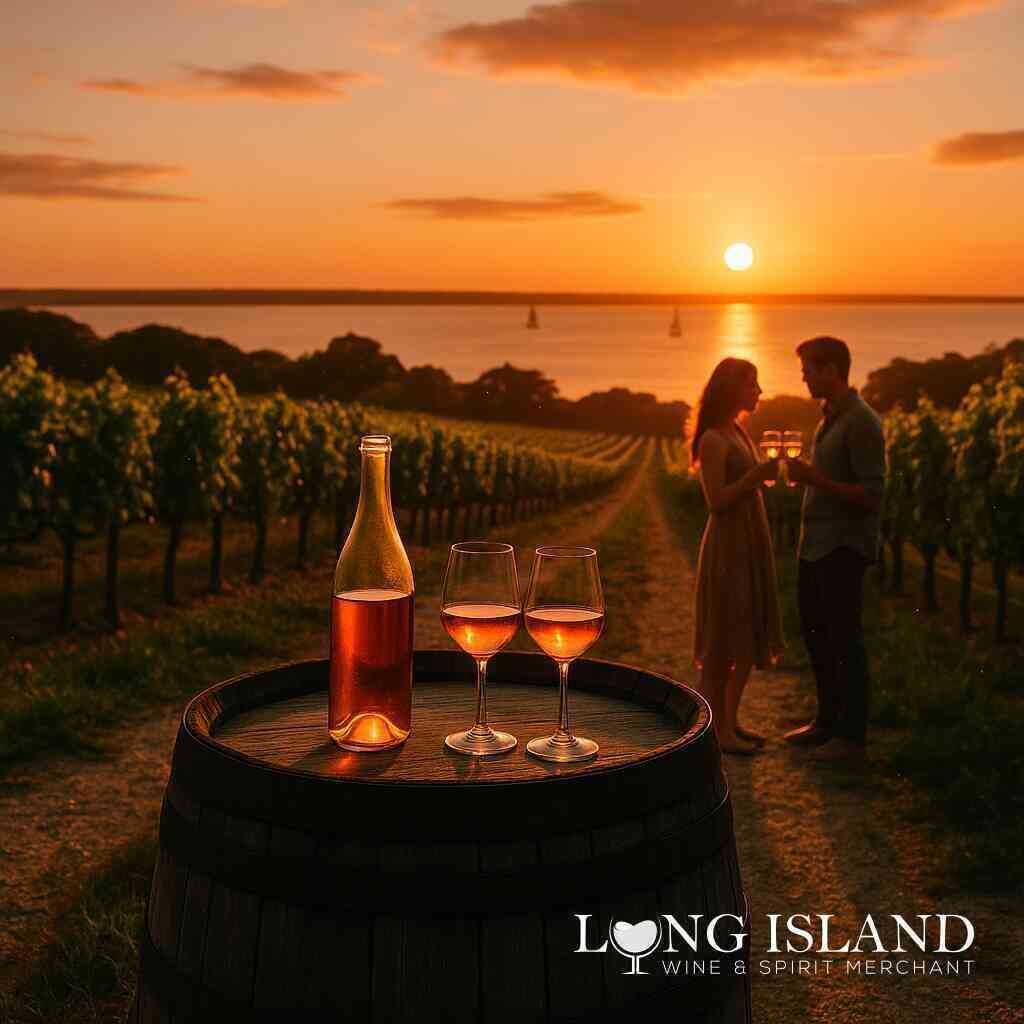
A pour of Long Island rosé captures the feel of sea-sprayed afternoons on the East End. Pale salmon hues, lively acidity, and delicate fruit make these wines a benchmark for American cool-climate blush. This guide breaks down why the region excels with rosé, which grapes dominate, and how to taste, serve, and buy with confidence.
Why Long Island Is Ideal for Rosé
Long Island sits between the Atlantic Ocean, the Peconic Bay, and Long Island Sound. Water on three sides moderates summer heat and stretches the growing season well into October. Daytime highs rarely scorch the fruit, while evening breezes keep temperatures in check. The result is slow, even ripening that preserves acidity—exactly what winemakers seek for fresh, vibrant rosé.
Key climate advantages:
- Maritime cooling. Ocean air tempers midsummer spikes and prevents overripeness.
- Extended sunlight. Long daylight hours build aromatics without excessive sugar.
- Gentle diurnal swing. Moderate nights lock in color and crispness.
Signature Grape Varieties
Cabernet Franc
The workhorse for many North Fork producers. It gives vivid strawberry, raspberry, and a subtle white-pepper lift.Merlot
Slightly softer in profile, showing watermelon, plum, and a rounder mid-palate.Pinot Noir
Less common but gaining fans for its rose-petal scent and citrus edge.Blended Field Selections
Some wineries co-ferment several red varieties to fine-tune color and flavor, highlighting the maritime influence with a saline thread.
Winemaking Choices That Shape Flavor
Even with ideal fruit, style decisions in the cellar matter. Long Island producers typically favor a direct-press or short maceration approach:
- Direct press: Grapes are pressed immediately after harvest. Juice picks up just a blush of pigment, leading to the palest “Provençal” style.
- Short maceration: Skins sit with the juice for six to twelve hours. This boosts color and texture while keeping tannin low.
Fermentation often occurs in stainless steel at cool temperatures (55–60 °F). This protects floral and citrus notes. Some winemakers experiment with neutral oak or acacia barrels for a portion of the blend, adding a gentle creaminess without overshadowing freshness.
Tasting Notes You Can Expect
A well-made Long Island rosé generally offers:
- Color: Pale onion skin to light coral; rarely deep pink.
- Aroma: Fresh cherry, strawberry hull, rose petal, grapefruit zest, and a hint of sea breeze.
- Palate: Crisp acidity, modest alcohol (11–12.5 %), and a minerally backbone that feels almost salty on the finish.
- Finish: Clean, medium length, inviting another sip rather than weighing down the palate.
Serving and Pairing Suggestions
- Ideal temperature: Chill to 45–50 °F. Too cold and aromatics mute; too warm and acidity feels harsh.
- Glassware: A standard white-wine stem delivers both aroma and focus.
- Pairings:
- Local oysters, clams, or crab rolls
- Tomato-based summer salads with basil
- Grilled shrimp skewers with citrus glaze
- Soft cheeses such as chèvre or young feta
- Pizza margherita or light flatbreads
Light body and refreshing acids make Long Island rosé one of the most versatile food wines you can pour, especially alongside the coastal cuisine that inspired it.
Buying Smart on Long Island
The region’s rosé production remains small compared with mainstream California or European areas, so availability can shift quickly. A few practical tips:
- Shop the newest vintage. Rosé is designed for immediate enjoyment. Look for bottles released in the spring and aim to drink them within 12–18 months.
- Check alcohol levels. A moderate 11–12 % ABV often signals grapes picked at optimal acid-sugar balance.
- Ask about farming practices. Many family estates use sustainable or organic methods that underscore mineral purity.
- Consider mixed cases. Building a custom selection lets you compare Cabernet Franc-based examples against Merlot blends side by side.
Quick Tips for Storing and Enjoying
- Short-term cellaring: Keep bottles upright in a cool, dark place under 65 °F. Long Island rosé rarely benefits from aging beyond two years.
- Transport: During summer, insulated packaging or a small cooler protects freshness if you are driving out to the beaches.
- Glass upgrades: If entertaining outdoors, consider shatter-resistant crystal alternatives rather than plastic; they preserve aroma yet withstand patio life.
What Makes Each Sip Distinct
The notion of “saline minerality” often surfaces in tasting rooms. It is not literal salt but rather a brisk, mouth-watering quality created by the combined effects of maritime humidity, sandy-gravel soils, and naturally elevated acidity. When you taste that subtle hint of sea spray alongside ripe berry fruit, you are sensing place—the essence of terroir that North Fork growers painstakingly capture.
Trends Worth Watching in 2025
• Lower-intervention fermentations: More vintners are pivoting to native yeasts, believing they enhance texture and site expression.
• Canned rosé: Lightweight, beach-friendly formats are popping up from respected estates, widening access without compromising quality.
• Sparkling styles: A handful of traditional-method rosé sparklers now showcase the same coastal vibrancy with fine bubbles.
Final Thoughts
Long Island rosé may have started as a summer novelty, yet it now stands among America’s most terroir-driven pink wines. Balanced fruit, razor-sharp acidity, and subtle maritime nuances place it in a class of its own. Whether you are planning a weekend on the North Fork or browsing a local shop, understanding the region’s climate, grape choices, and cellar techniques will help you select a bottle that turns any afternoon into a mini seaside escape.
Exploring Long Island Rosé and Its Distinctive Traits


Comments
Post a Comment