Long Island Premium Rum Guide: Cask Strength to Terroir
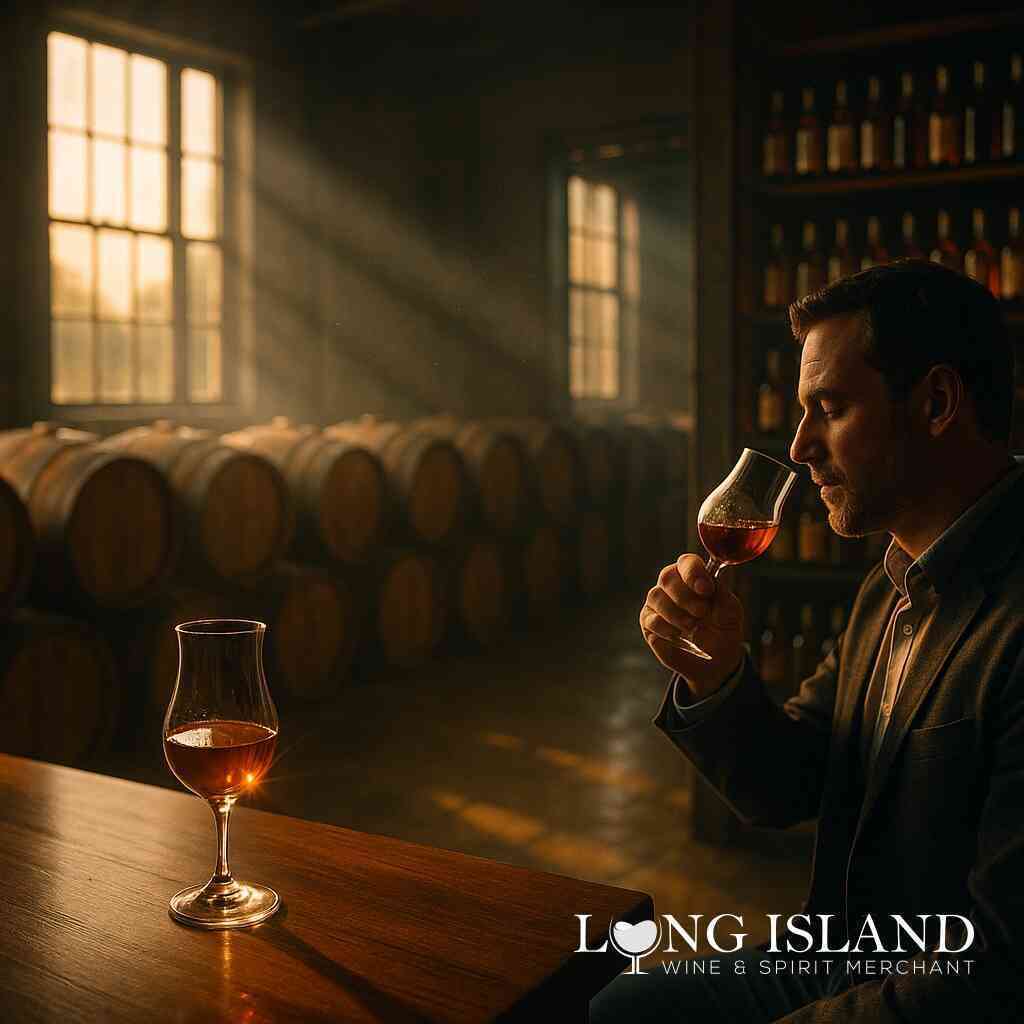
Why Long Island Liquor Store Leads the Rum Conversation
Walk into the Commack shop and the first thing you notice is intent. Bottles are grouped by country, still type, and age, making it easy to compare a grassy Martinique agricole with a brooding Jamaican pot-still expression. That layout reflects years of direct feedback from Suffolk County drinkers who want discovery without confusion. The team secures small allocations straight from Caribbean distilleries, logs every case in a cellar-style tracker, and invites producers to pour in person. This steady, education-first approach has turned a neighborhood store into a regional reference point for anyone chasing a rare single-estate release or learning the basics of molasses-based rum.
Sugarcane Terroir: More Than Sweetness
Many newcomers expect rum to taste uniformly sugary. In reality, soil and climate stamp cane juice with distinct fingerprints, much like grapes in wine. Examples you can taste on the shelf:
- Volcanic Martinique: The porous, mineral-rich ground yields aromatic, almost grassy distillate commonly labeled "rhum agricole."
- Limestone Jamaica: High mineral content supports longer, wild fermentations that create bold tropical-fruit esters.
- Coastal Barbados: A steadier climate produces balanced molasses rums with vanilla and soft spice.
During in-store classes the staff often pours three unaged distillates side by side. Guests immediately pick up the flavor jumps produced by terroir alone—even before oak enters the picture.
Barrel Influence in Plain Language
Oak does two jobs: it softens aggressive alcohol and layers the spirit with new flavors. In the tasting room you might find these comparisons:
- American White Oak, Ex-Bourbon: Adds vanilla, caramel, and a gentle coconut note.
- French Limousin Oak, Ex-Cognac: Contributes baking spice, dried apricot, and a drying tannin.
- Refill Port Pipe: Introduces raisin, cherry, and a wine-like finish.
Seeing the same base rum split across multiple cask types helps drinkers understand why a 10-year age statement from one brand can taste wildly different from another.
Cask Strength vs. Proofed Down
Shoppers often ask whether barrel proof rum is automatically "better." The honest answer: not always. Higher proof preserves more aroma, but it can mask nuance if your palate is unprepared. The store’s educators recommend three practical steps:
- Start with ½ teaspoon of water per ounce, then adjust.
- Smell with your mouth slightly open to soften the ethanol.
- Revisit the glass after ten minutes; oxygen integration can reveal hidden fruit or spice.
Decoding Age Statements Without Headaches
Rum labeling still lacks universal rules, so a quick primer helps:
- British Tradition (Jamaica, Barbados, Guyana): The number is the youngest component in the bottle. An "8-year" really is at least eight.
- Spanish Tradition (Guatemala, Dominican Republic): Brands may use fractional or solera ages; the printed number can reflect an average or oldest drop.
- French Tradition (Martinique): Terms like "VO," "VSOP," and "XO" mirror Cognac definitions.
Long Island Liquor Store prints a short cheat sheet on shelf talkers so you don’t need to memorize the whole system.
The Interactive Taste Quiz: Confidence in Three Minutes
Complexity is fun for enthusiasts but intimidating for first-time buyers. The store solves that with a digital quiz built around everyday flavors:
- How do you take your coffee—black, lightly sweetened, or syrupy?
- Which dessert appeals more: citrus tart, chocolate cake, or nut brittle?
- Preferred cocktail strength: low-proof spritz, classic old fashioned, or overproof tiki?
Your answers map to three bottle suggestions covering entry-level, mid-tier, and splurge. Staff keeps open samples on the counter, allowing you to taste the algorithm’s picks immediately.
A Roadmap for Building a Home Rum Bar
Ready to stock your cart? Use this graduated approach:
- Foundation Bottle (Unaged White): Ideal for daiquiris; identifies distillery character without oak.
- Middleweight Sipper (4-8 Years): Versatile for cocktails and neat pours; look for balanced sweetness and spice.
- Cask Strength Statement (10 Years+): Reserved for slow appreciation; split a bottle with friends to explore the full spectrum.
- Wild Card (Agricole or Clairin): Keeps the palate curious and educates guests about sugarcane juice styles.
By rotating through those slots you will cover most recipe needs while steadily expanding sensory memory.
Practical Tasting Tips From the Commack Team
- Glassware Matters: Use a tulip or narrow wine glass; it traps aroma better than a rocks glass.
- Temperature Check: Room temperature, not chilled, reveals richer texture.
- Take Notes: Even a simple grid—nose, palate, finish—helps recall favorites later.
- Hydrate: A splash of water between pours keeps fatigue at bay.
Staying Ahead of Limited Releases
Community loyalty means limited barrels often sell out within hours. The store manages this fairly by maintaining an email list and stamping purchase limits on extreme rarities. Collectors appreciate the transparency; newcomers feel included rather than squeezed out by speculation. If you want first crack at a forthcoming double-matured Barbados cask, keep an eye on in-store bulletin boards that list expected arrival windows.
Sustainability: The Next Frontier
Premium rum is increasingly tied to responsible sourcing. Brands highlighted on Long Island shelves now list:
- Zero-burn harvesting methods that protect soil.
- Renewable biomass boilers powering stills.
- On-site water treatment to prevent runoff in island communities.
Shoppers asking about eco-commitments find these details printed on hang tags, making it easy to align purchases with values.
Final Thoughts
The world of rum is broader than ever, and Long Island Liquor Store curates that breadth with purpose. Whether you want a quick cocktail mixer, a cask strength collectible, or a deep dive into sugarcane terroir, the staff supplies context as readily as they pour samples. Begin with a quiz, attend a tasting, or simply ask for a recommendation. You will leave not just with a bottle, but with the confidence to describe why it belongs on your shelf.
The Nuances of Long Island Liquor Store's Premium Rum Guide


Comments
Post a Comment