Long Island Liquor Store Scotch Vault: A Peat Lover’s Guide
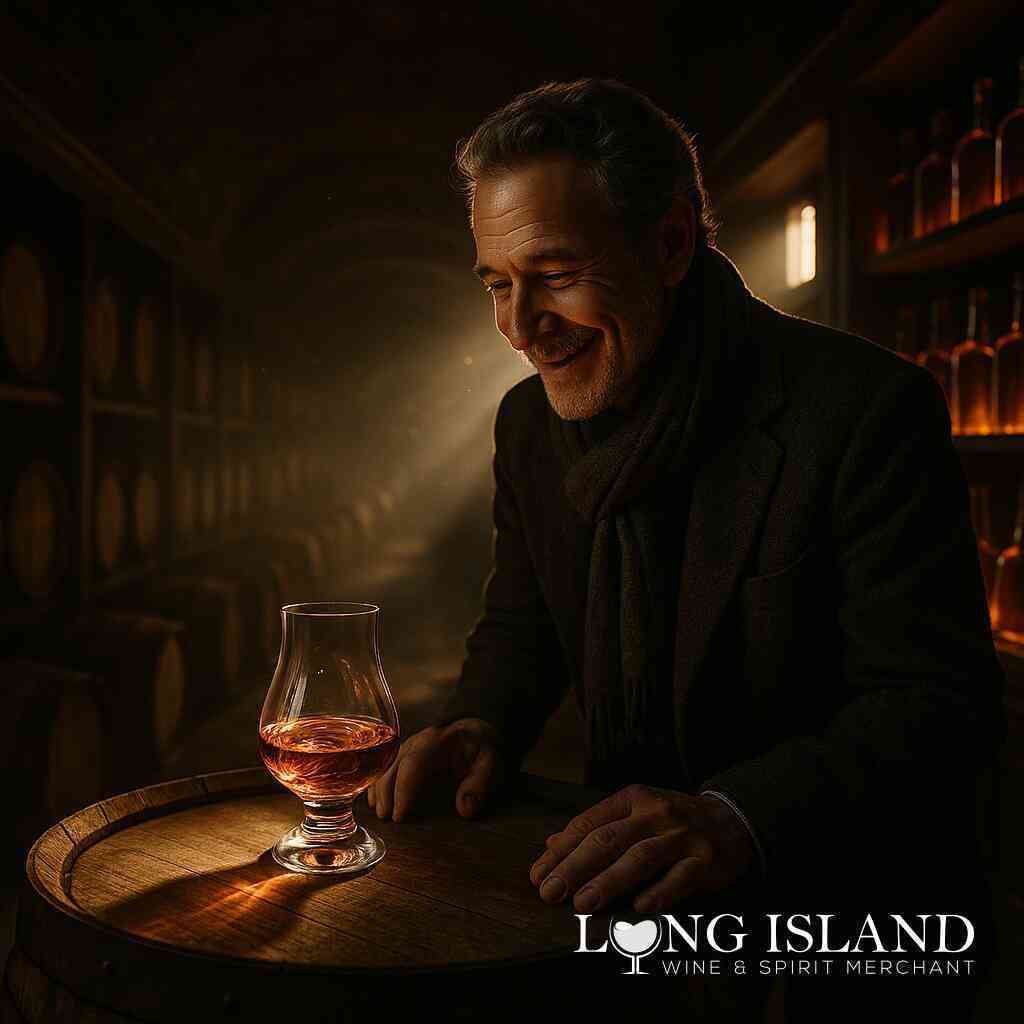
A Surprising Scotch Destination on Long Island
Long Island Liquor Store in Commack started life as a traditional wine shop. Over the years it has quietly assembled one of the broadest Scotch whisky selections in Suffolk County. Walk in for a bottle of Cabernet and you will find an entire wall dedicated to Highland honey, Speyside sherry bombs, and powerful Islay peat. This guide explains how the shop built its reputation, why locals call the rear shelves the “whisky vault,” and what to expect if you decide to explore the collection yourself.
From Wine Merchant to Whisky Authority
Many independent liquor stores expand into spirits, but few commit as deeply as this Commack mainstay. The transformation began with three deliberate choices:
- Breadth over brands. Instead of chasing only marquee distilleries, the buyers sourced lesser-known single estates, private casks, and indie bottlers.
- Staff training. Team members earned industry certifications and travelled to Scotland’s major regions. That first-hand experience lets them translate tasting notes into plain language for customers who may be new to Scotch.
- Interactive recommendations. A wine-flavor quiz was adapted for whisky logic. Shoppers answer a handful of questions about taste preferences—sweet, smoky, spicy, or delicate—and receive two or three tailored dram suggestions on the spot.
The result is a store that still excels at wine, yet feels like a miniature whisky boutique hidden in suburbia.
Inside the Commack Whisky Vault
Past the main registers sits a quieter, temperature-controlled alcove. Regulars call it the whisky vault because many bottles here are either single-barrel releases or limited allocations that rarely reach big-box shelves. Three things make the vault special:
• Private Cask Program. Each year the buyers select a handful of Scotch barrels—sometimes Highland ex-bourbon casks, other times heavily peated Islay hogsheads. Bottles from these casks carry handwritten labels, tasting cards, and individual bottle numbers.
• Side-by-Side Flights. Staff keep open reference bottles so visitors can sample a sherried Speyside next to a maritime Campbeltown. Tasting before buying helps demystify age statements and cask finishes.
• Collector Services. Patrons can request custom six- or twelve-bottle cases built around a theme—“Islay Smoke Showcase” or “Highland Honeyed Malts.” Each case is packed with archival notes, making home tastings feel curated rather than random.
Highlights by Region
Understanding how the shelves are organized makes browsing easier.
Speyside
Expect classic distilleries such as Glenfarclas and Aberlour, but also smaller producers aging spirit in experimental Modena-balsamic casks or wild-yeast fermentations. Many expressions emphasize orchard fruit, toffee, and gentle baking spice—ideal for drinkers who prefer balance over brute strength.
Highlands
Here the emphasis is on variety. Unpeated malts from the central Highlands sit next to coastal drams from Oban and Pulteney that lean briny. A handful of bottles come from distilleries no longer in operation, coveted by collectors for their rarity and silky texture.
Islay and the Islands
This is where the shop truly shines. Shelves hold the familiar—Lagavulin, Ardbeg, Laphroaig—but also single casks from smaller operations like Kilchoman or elusive independently bottled Port Charlotte. Look for high-proof releases above 57% ABV: they showcase raw peat smoke, seaweed, and a surprising sweetness that emerges with a few drops of water.
Lowlands and Campbeltown
Although smaller in square footage, these sections offer delicate treats such as triple-distilled Lowlanders and funky Campbeltown brine bombs. Newcomers often overlook them, yet they provide an accessible entry point for those hesitant about heavy peat.
What to Expect at a Tasting Event
The store hosts regular evening sessions limited to 12–16 guests. A typical lineup features:
- A light, floral Lowland to warm the palate.
- Two contrasting Speyside malts—one sherry matured, one bourbon matured.
- A cask-strength Highland showcasing oak spice.
- An Islay peat monster to finish.
Guides discuss production methods, regional history, and simple at-home food pairings. Notes and water droppers are provided so guests can experiment with dilution. If you plan to attend, consider ride-share options—the pours are generous, and the point is to taste, not rush.
Gift-Ready Extras
Beyond the liquid itself, Long Island Liquor Store offers several services that make Scotch gifting straightforward:
• Engraving while you wait on most flat-sided bottles.
• Ready-made tasting packs of three or four 200-ml bottles, ideal for someone exploring styles.
• Monthly dram subscriptions curated by the staff. Subscriptions are capped to avoid overextension; inquire early if interested.
Tips for First-Time Visitors
- Ask questions. The team genuinely enjoys guiding novices and veterans alike.
- Use the flavor quiz. Even seasoned drinkers discover new favorites when they let the algorithm challenge their assumptions.
- Inspect packaging dates. Scotch does not age in bottle, but the fill date on private barrels helps you gauge how long the whisky rested in oak.
- Remember your budget. With unicorn bottles in plain sight, it is easy to overspend. Set a number before you taste.
Final Thoughts
Long Island Liquor Store’s Scotch selection succeeds because it blends breadth with personal service. Whether you are hunting a cask-strength Bruichladdich or simply want a smooth weekday sipper, the Commack team can guide you quickly to the right shelf. Add engraving, curated cases, and intimate tastings, and the store feels more like a community whisky club than a retail outlet. For Long Islanders seeking depth without the flight to Edinburgh, this quiet suburb offers a surprisingly authoritative gateway into the world of single malt Scotch.
What Is the Long Island Liquor Store's Scotch Secret


Comments
Post a Comment