Long Island Liquor Store Gin: Hidden Picks & Secrets Exposed
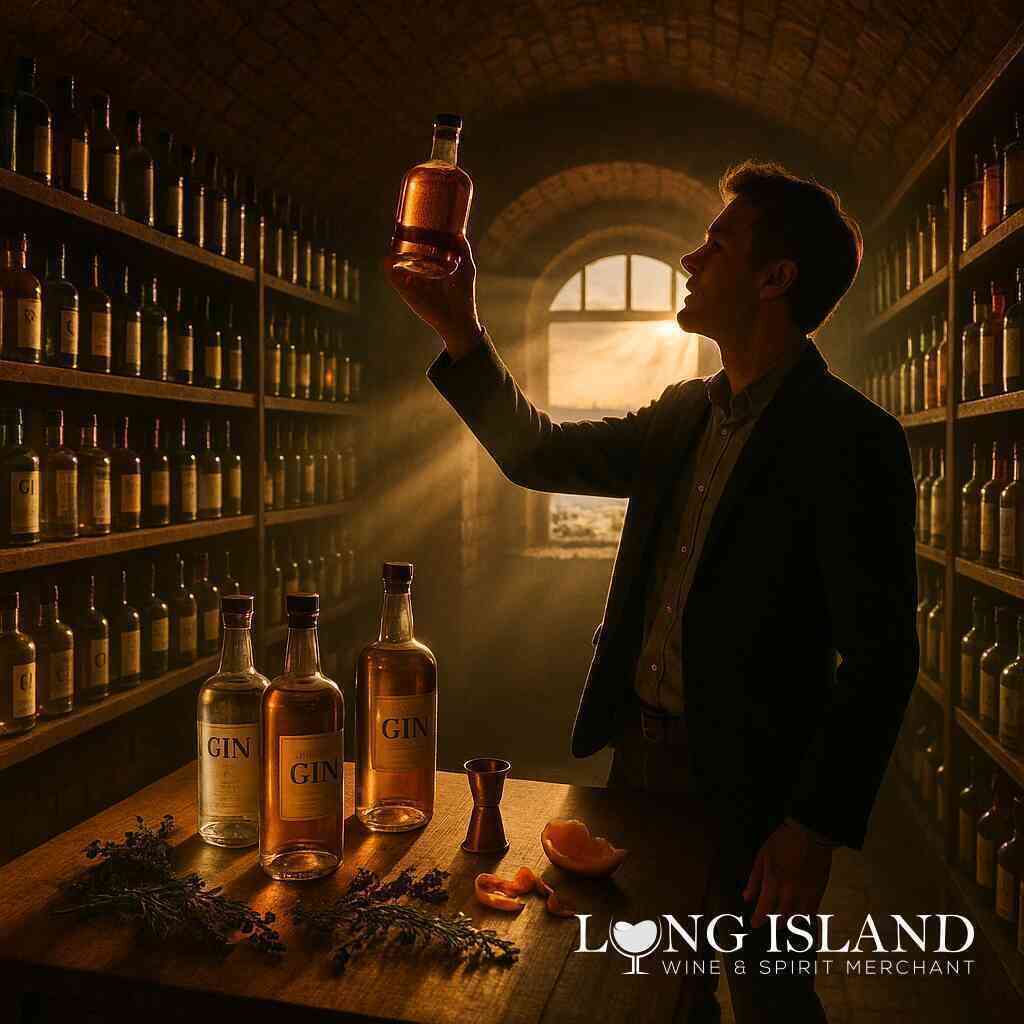
Long Island may be best known for beaches and summer rosé, yet a quiet gin movement has been gaining strength in the hamlet of Commack. Walk into Long Island Liquor Store today and you will find a wall of bottles that rivals any boutique in Manhattan, each label telling a local story of maritime botanicals, potato-based spirits, and clever barrel work. This overview highlights why the shop has become an unlikely destination for serious gin drinkers in 2025 and what to look for once you step through the doors.
Why Commack Has Become a Gin Hotspot
Commack sits close to both North Shore farmland and South Shore waterways. That geography gives regional distillers ready access to fresh citrus peel, beach plum, bayberry, and wildflower honey. Because the Long Island Liquor Store team maintains personal relationships with many of these producers, new experimental runs often arrive on their shelves before they appear anywhere else. Limited releases disappear quickly, creating a steady stream of discoveries for locals and road-trippers alike.
Key Factors Driving the Scene
- Proximity to botanicals: Distillers pick ingredients the same day they go into the still, preserving aromatics that seldom survive long transit times.
- Small-batch culture: Most local operations run on 100–500-gallon stills. That scale encourages risk-taking, from one-off yuzu infusions to navy-strength recipes.
- Direct feedback loop: Distillers drop by the shop for informal tastings, hear what customers think, and refine the next batch accordingly.
Meeting the Artisans Behind the Bottles
Several producers have become staples on the Commack shelf:
- Long Island Spirits – Known for a potato-based London Dry that shows an oily texture and earthy undertone, plus seasonal barrel-rested variants in bespoke American oak.
- Twin Forks Distilling – Experiments with vapor-infusing North Fork lavender alongside classic juniper for an herb-garden profile that shines in a Collins.
- Brightwater Bay – Harvests beach plum and sea rosemary from the South Shore dunes; their coastal gin delivers a saline snap perfect for a Martini.
When these makers visit, the retail floor turns into a mini masterclass. Expect chat about copper versus stainless columns, proof cuts, and why pink peppercorn behaves differently at 45 percent ABV compared with 57.
The Hidden Gin Cellar: How the Store Curates Its Picks
Bottles that earn a spot in the back cellar go through a strict tasting rubric:
- Juniper integrity – Pine and resin notes must remain clear even after dilution with tonic water.
- Balance of secondary botanicals – Citrus, spice, and floral traits should add layers without masking the core spirit.
- Textural quality – Mouthfeel matters. Potato or wheat bases can lend creaminess; grape bases often feel lighter.
- Mixability test – The buyer team makes three classic drinks with each candidate: Gin & Tonic, Martini, and Negroni. Only bottles that perform in all three move forward.
The result is a rotating lineup that satisfies both traditionalists and modern cocktail fans.
Mapping Flavor Profiles: Four Styles to Know
1. Juniper-Forward Classics
These bottlings stick closest to the London Dry template. Expect bold pine, coriander warmth, and a clean dry finish. They anchor your home bar and pair effortlessly with a high-quality tonic or a whisper of dry vermouth.
2. Citrus-Bright Moderns
Long Island’s proximity to specialty produce has sparked grapefruit, Meyer lemon, and even yuzu gins. The brightness lifts brunch cocktails, French 75s, and elderflower spritzes.
3. Coastal & Botanical
Sea rosemary, kelp, and beach rose petals create savory layers reminiscent of an ocean breeze. They excel in dirty Martinis or paired with briny garnishes such as Castelvetrano olives.
4. Barrel-Rested Experiments
A few batches rest for three to six months in charred American oak or used Chardonnay barrels. Vanilla, baking spice, and soft tannin appear, making these gins ideal for a winter Negroni or a spirit-forward Old Fashioned riff.
From Commack Shelves to Your Home Bar
Once a bottle earns a spot in inventory, the team protects it like a library first edition. Climate-controlled storage keeps volatile citrus oils safe from temperature swings. If you buy online, the spirit travels in triple-layer molded pulp shippers with adult-signature service. That logistical detail matters; delicate botanical spirits can change character when cooked in a hot van.
Optional Add-Ons
- Custom engraving: Popular for gifting barrel-rested editions celebrating weddings or corporate milestones.
- Flavor profile quiz: A short survey that matches your palate to current stock, handy if you cannot visit in person.
- Build-your-own mixed case: Combine gin with vermouth, tonic syrups, or house bitters for a ready-to-mix bar package.
Practical Tips for First-Time Visitors
- Plan enough time. The gin section is dense; tasting through samples can easily fill an hour.
- Ask for what is in the back. Staff often holds experimental bottles behind the counter until regulars inquire.
- Compare botanicals side by side. Smell three gins neat before adding tonic. The differences become clearer.
- Mind proof levels. Anything above 50 percent ABV will require an extra splash of dilution in cocktails.
- Take notes. With so many micro-releases, writing down favorites helps when the next batch drops.
Looking Ahead: What to Expect in 2025
Local distillers hint at two trends gaining momentum this year:
- Locally grown citrus: Greenhouse yuzu and finger lime crops on the North Fork are feeding new infusion projects. Expect sharper, almost electric acidity in limited runs.
- Wildflower honey finishes: Post-distillation macerations with raw honey add both floral aroma and a subtle sweetness that rounds out navy-strength gins.
If history is any guide, Long Island Liquor Store will secure early cases, giving Commack shoppers first taste.
Final Thoughts
You do not need to drive into Brooklyn or Manhattan to explore boundary-pushing gin. A short detour off the Long Island Expressway delivers access to one of the region’s most thoughtfully curated selections. Whether you favor juniper-heavy classics or curious coastal blends, the hidden cellar in Commack offers a snapshot of how dynamic American gin has become in 2025. Take your time, taste broadly, and you may leave with a bottle—or three—that no one else in your circle has even heard of yet.
What Is Hidden Within Long Island Liquor Store's Gin Picks


Comments
Post a Comment