Long Island Craft Spirits: Terroir, Flavors & Finds
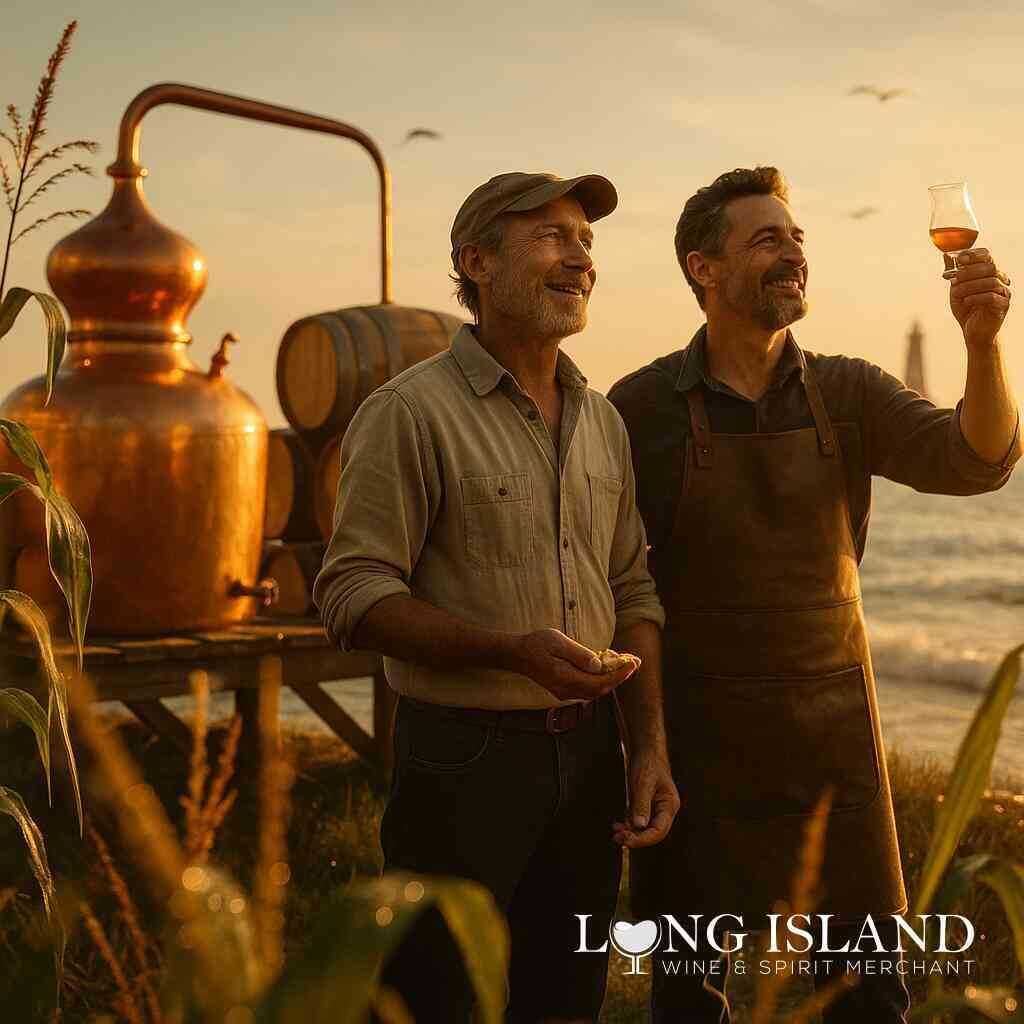
Discovering Long Island’s Craft Spirits
Long Island is known for quiet beaches and vibrant wine country, yet its distilleries now earn similar respect. This guide explores how local grain, coastline air, and small-batch technique give Long Island craft spirits a flavor fingerprint you will not find anywhere else.
From Field to Flask: Why Place Matters
Coastal terroir begins in Nassau and Suffolk fields where rye, corn, and winter wheat absorb salty breezes and sandy loam minerals. Many distillers work with family farms less than ten miles away:
- Heirloom corn delivers a sweeter, almost honeyed base for bourbon.
- Winter rye grown near tidal marshes lends cracked-pepper heat and faint brine to rye whiskey.
- Barley from breezy North Fork plots forms the backbone of maritime single malt.
Because grain travels so little distance, it arrives fresh, minimizing oxidation and preserving subtle aromatics. Mash bills stay true to each harvest rather than forcing a uniform flavor year after year.
Inside the Small-Batch Process
Most Long Island producers follow a grain-to-glass model:
- On-site milling and mashing keep volatile compounds intact.
- Native or wild yeast fermentations collected near dunes add orchard-fruit esters and wildflower notes.
- Slow distillation on copper pot stills allows heads and tails to be cut by taste, not by timer.
- Aging in coastal rickhouses where humid sea air seeps through oak, softening tannins and boosting aroma.
The result is a spirit that reflects real time and place rather than mass-market uniformity.
Six Signature Styles to Try
1. Farm-to-Bottle Vodka
Filtered through local quartz or oyster-shell charcoal, Long Island vodka keeps a creamy grain core instead of stripping every flavor. Expect a whisper of sea salt on the finish—excellent for a Martini garnished with local pickle brine.
2. Botanical Gin With Beach DNA
Distillers forage beach plum, spruce tips, and honeybush during coastal walks. These botanicals mingle with classic juniper to create a gin that smells like dune grass after rainfall.
3. Suffolk Bourbon
High-corn mash bills age in barn-cured American oak. Caramel, vanilla, and toasted coconut meet a gentle saline undertone from brackish humidity. A neat pour pairs well with fire-roasted oysters.
4. Limited-Release Rye
Spicy by nature, local rye picks up cracked pepper and coastal sage, finishing with a faint mineral lift reminiscent of oyster shell. Try it in a Manhattan with a splash of Long Island dessert wine instead of sweet vermouth.
5. Maritime Single Malt
Barley fields less than two miles from the Atlantic lend subtle iodine and dried-seaweed nuance. Native yeast fermentation adds baked-pear richness, while seaside aging contributes almond and honey notes.
6. Montauk Rum
Made from Caribbean molasses but fermented and aged steps from the ocean. Flavors of plantain, toasted coconut, and distant sea spray evoke a sailor’s logbook.
Visiting Distilleries: Practical Tips
- Book tastings early on weekends; most rooms seat fewer than 20 guests.
- Wear layers—rickhouses are cool even in midsummer due to Atlantic airflow.
- Ask about single-barrel releases; many batches yield under 250 bottles and never reach retail shelves.
- Designate a driver or use local ride-sharing; rural roads turn pitch-black after sunset.
Buying Bottles in Commack and Beyond
Specialty merchants across the island emphasize provenance. Look for shelf tags listing:
- Farm source for grain
- Yeast strain (native vs. commercial)
- Barrel type and warehouse location
- Bottle count of the run
Rotating inventory means today’s favorite gin may be gone next month, so many collectors build mixed cases for future tasting verticals.
Tasting Like a Pro at Home
- Pour one ounce into a tulip glass.
- Swirl gently and inhale with lips parted to avoid alcohol burn.
- Add a few drops of room-temperature water; coastal spirits open quickly.
- Note texture: sea air aging often yields a rounder mouthfeel than inland counterparts.
- Pair thoughtfully—smoked bluefish pâté, raw oysters, and herbed goat cheese amplify maritime notes.
Sustainability and Community Impact
Buying local spirits does more than fill your bar:
- Supports family farms struggling with narrow margins.
- Preserves coastal grain varietals that could be lost to commodity monoculture.
- Keeps skilled labor on the island—from coopers to lab techs.
- Promotes eco-friendly practices such as spent-grain composting and solar-powered stills.
Looking Ahead
Distillers predict expanded experimentation in 2025:
- Hybrid barrels using local cedar heads for cedar-smoked rye.
- Brine-rested tequila finished on North Shore oyster beds.
- Honey-infused moonshine matured in mead casks for cocktail bars.
The common thread remains a commitment to place. Long Island’s climate, agriculture, and maritime heritage all breathe into each bottle.
Final Sip
Whether you prefer a neat rye that echoes salt marsh mornings or a gin that captures dune botanicals, Long Island craft spirits deliver a tasting journey grounded in terroir. Explore tasting rooms, read shelf notes, and let the island’s winds guide your glass. Cheers to sipping local character—one small batch at a time.
Unveiling Craft Spirits' Unique Profiles in Long Island


Comments
Post a Comment