Long Island Craft Rum Expertise: Inside the Leading Shop
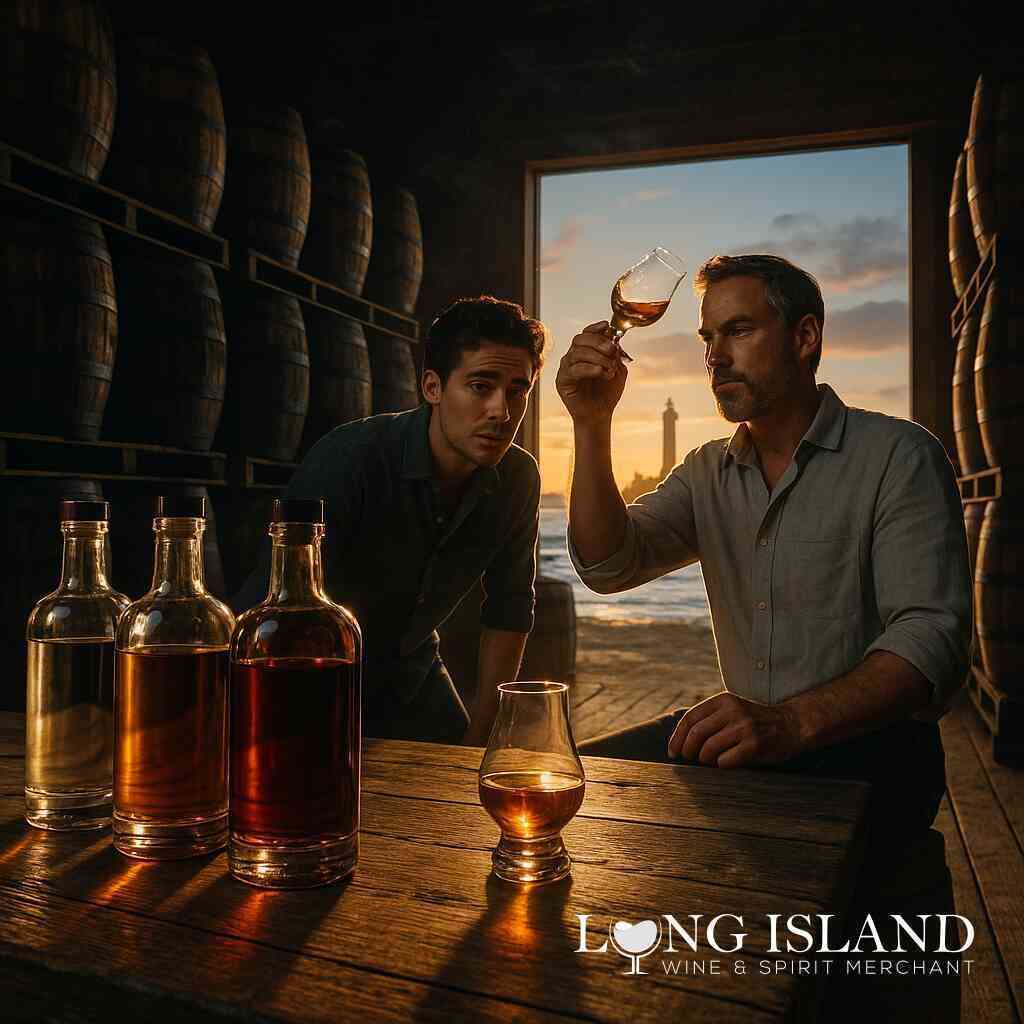
Why Long Island Craft Rum Matters
Long Island has become a quiet powerhouse in the American craft-spirits scene. Nowhere is that clearer than at Long Island Alcohol Store, a Commack destination known for treating rum with the same reverence usually reserved for fine wine. This overview breaks down the specific factors that give the shop its reputation for best-in-class craft rum expertise.
1. A Tasting Team With Serious Palate Memory
Most retailers rely on distributor notes. The Commack staff builds its own. Weekly blind panels compare new releases against reference standards from Jamaica, Barbados, Martinique, and New York–based micro-distillers. Every panelist records aroma, texture, and finish in a shared database. Over time the notes create a sensory map that guides both purchasing and customer education.
Key advantages:
- Consistency – Multiple tasters reduce personal bias.
- Transparency – Shoppers can read concise, house-written notes on every shelf tag.
- Benchmarking – Historic scores make it easy to explain why a 2025 single-estate release outshines a similar 2023 bottling.
2. Direct Relationships With Small Producers
The store’s buyers regularly visit Caribbean estates and Northeast craft stills. Face-to-face time helps them secure micro-allocations most suburban shops never see, such as:
- Pot-still Jamaican rum drawn straight from dunder-rich fermentation vats.
- Agricole from Guadeloupe aged in ex-Cognac wood.
- Experimental New York rums finished in used Long Island Cabernet barrels.
Because the team evaluates barrels on site, they can request specific cask numbers that match the flavor profiles local customers favor—often bright esters and a dry finish that stands up in cocktails.
3. Deliberate, Data-Driven Curation
A proprietary taste quiz greets online browsers and in-store guests. It measures four preference sliders—sweetness, oak intensity, ester funk, and perceived spice heat. The system then suggests three to five rums pulled from live inventory. Staff refine the list with follow-up questions, but the algorithm does the heavy lifting and captures each result. Over time the data reveals:
- Seasonal shifts in preferred proof levels.
- Flavor gaps to target when scouting new barrels.
- Which agricole styles convert bourbon drinkers most effectively.
The outcome is a tighter, more useful selection. Shelves stay stocked with bottles customers genuinely want rather than random distributor closeouts.
4. Education That Goes Beyond Buzzwords
Instead of marketing jargon, the shop leans on practical demonstrations:
- Raw Ingredient Lab – Guests smell molasses against fresh-pressed cane juice to understand fermentation differences.
- Wood Library – Short staves of American oak, French oak, and acacia soaked in rum show how each species alters color and aroma.
- Proof & Dilution Station – Visitors taste a cask-strength sample, then the same rum slowly proofed down to 40 % ABV to feel how esters and sweetness shift.
Interactive touchpoints build confidence, especially for newcomers intimidated by unfamiliar island labels.
5. Storage and Shipping Built for Sugarcane Spirits
Rum is sturdy, yet careless handling can mute delicate top notes. The Commack facility tackles this in three ways:
- Temperature Control – 58–62 °F storage keeps ester chains from volatilizing.
- Low-Vibration Shelving – Racks are secured away from delivery-bay rumble so sediment remains undisturbed.
- Insulated Fulfillment – Orders travel in moisture-resistant pulp shippers with cold-pack options for hot-weather routes.
Customers anywhere in the continental United States can receive bottles that taste exactly as they did at the in-store tasting counter.
6. Personalized Gift Services
Rum collects stories: a honeymoon in Barbados, a father-son fishing trip in Montauk. The engraving station turns those stories into keepsakes. Laser etching works on curved glass without clouding the view of the spirit. For milestone birthdays, staff often suggest pairing an engraved bottle with a hand-written aging report that tracks barrel provenance and tropical-to-temperate maturation ratios.
7. Community, Not Just Commerce
The shop hosts monthly roundtables where collectors swap half-filled bottles. One month might feature navy-style blends; another explores Spanish-column heritage rums. Staff moderate discussion, highlight responsible tasting practices, and record consensus notes that feed back into the master database. The approach cements trust. Regulars feel like co-curators rather than consumers.
Practical Takeaways for Rum Enthusiasts
- Ask for the panel notes – They reveal far more nuance than distributor sell sheets.
- Share your palate quiz results – Staff can push boundaries without wasting your budget.
- Attend a comparative tasting – A 30-minute session can unlock flavors you never noticed at home.
- Consider climate when ordering – Opt for insulated shipping if the forecast tops 80 °F.
- Engrave for memory – A small personal message turns a rare bottling into an heirloom.
Final Word
Long Island Alcohol Store succeeds with craft rum because it blends encyclopedic product knowledge, genuine producer connections, and customer-centric technology. Whether you are chasing ester-heavy funk, subtle agricole grassiness, or cask-strength firepower, the Commack team offers a clear, trustworthy path through the ever-growing world of sugarcane spirits.
From molasses origin to bottle engraving, every step is intentional. That intentionality is what ultimately defines Long Island’s most respected craft rum resource.
What Defines Long Island Alcohol Store's Craft Rum Expertise


Comments
Post a Comment