Long Island Cognac Guide: Discover VS, VSOP & XO Gems
Why Cognac Matters on Long Island
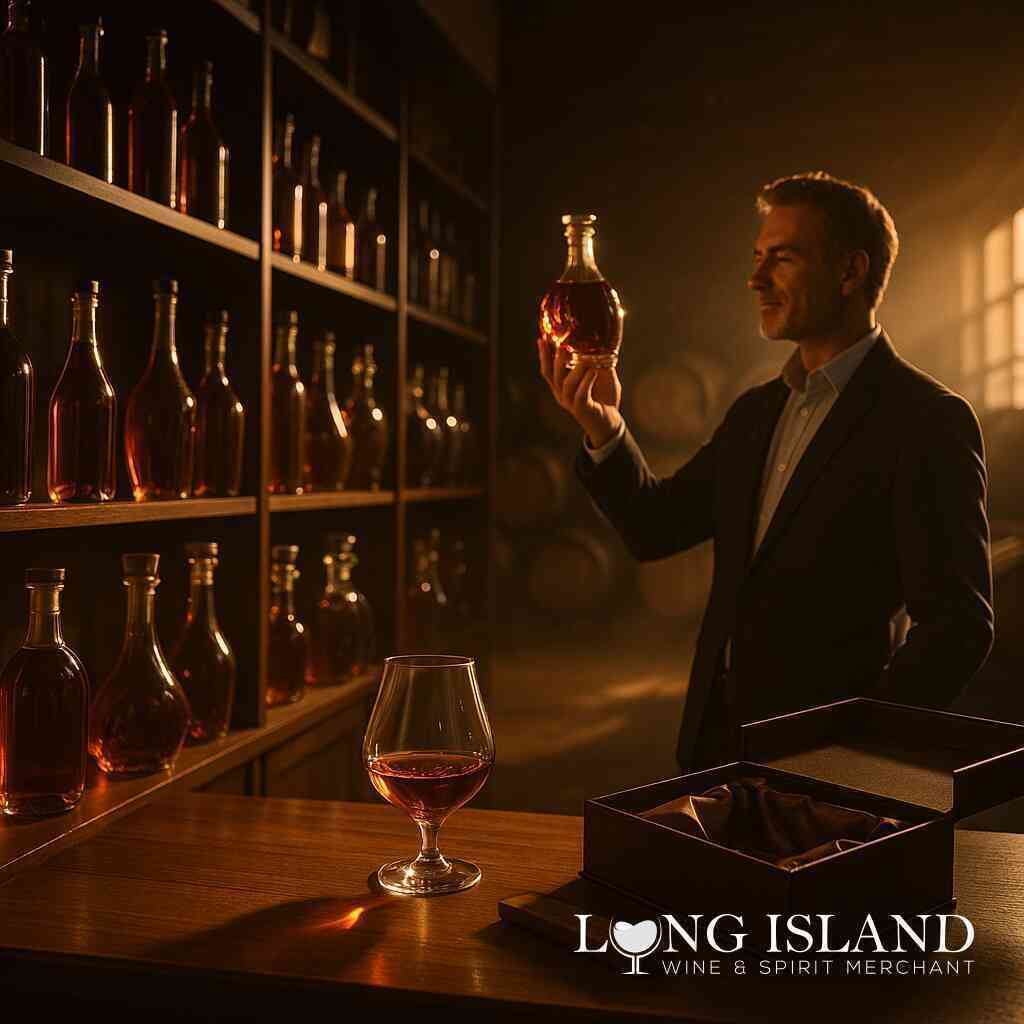
Cognac is no longer a niche found only in French cellars. Well-curated shops on Long Island now bring bottles directly from Grande Champagne and Borderies to local shelves. This guide looks at how a thoughtful retailer evaluates terroir, aging, and seasonal demand so drinkers can choose a bottle with confidence.
Decoding the Labels: VS, VSOP, XO
The letters on a cognac label largely signal minimum aging, yet they also hint at texture and mood.
- VS (Very Special): The youngest eau-de-vie is at least two years old. Expect lively pear, green apple, and a flash of white pepper. Ideal for highballs or simple cocktails when you want freshness over depth.
- VSOP (Very Superior Old Pale): Four years or more in barrel. Extra time rounds the edges, introducing honey, almond, and soft baking spice notes. A balanced choice for sipping neat or in an elevated Sidecar.
- XO (Extra Old): Ten years minimum by current regulations. Long slumber yields dried fig, walnut, leather, and dark chocolate. Best enjoyed neat in a tulip glass where aromas can bloom.
A reliable store lists these age windows beside each bottle. Some even add barrel-house location or the type of Limousin oak used so shoppers can compare subtle influences on flavor.
Imported Houses and Boutique Finds
Long Island shelves often feature well-known houses such as Frapin and Delamain, yet smaller domaines are appearing too. Micro-producers may release a few hundred bottles per year, focusing on single-vineyard distillations or unusual cask finishes. Because supply is limited, look for:
- Lot Numbers: A small batch often carries a vintage or lot code rather than a generic blend description.
- Transparency Sheets: Short tasting cards that name the parcel, soil type, and the cooperage that built the cask.
- Natural Color Statements: Boutique brands rarely add caramel coloring, preserving authentic hue and mouthfeel.
Purchasing a lesser-known label can be rewarding when you want flavors that differ from mainstream blends without paying trophy-bottle pricing.
Seasonality and When to Pour Each Style
Cognac preferences shift with weather and occasion. Stockists monitor these swings so the selection always feels current.
- Winter Evenings: Rich XO expressions soothe chilly nights, especially beside a fire. Look for bottlings with higher rancio—a savory nuttiness—that pairs well with dark chocolate or blue cheese.
- Spring Brunches: A floral VSOP works beautifully in lighter cocktails. Its honeyed apricot notes complement almond pastries or fresh berries.
- Summer Patio Hours: Bright VS cognac can replace rum in a tall spritzer with tonic, citrus, and mint. The lower price point encourages experimentation.
- Autumn Gatherings: A mid-tier XO, often eight to twelve years, suits harvest dinners when menus feature roasted poultry, squash, and spice-laden desserts.
Following this seasonal rhythm helps you buy bottles that will actually be opened, not simply displayed.
Building a Cognac Flight at Home
Tasting side by side highlights how aging and terroir shape flavor. A simple three-pour flight might include:
- VS Petite Champagne – youthful orchard brightness.
- VSOP Borderies – mid-weight floral and nutty elements.
- XO Grande Champagne – long, layered rancio and cocoa.
Pour one ounce of each into identical tulip glasses. Begin with the youngest, noting aroma, palate, and finish. A notebook or digital tasting app can preserve impressions for future reference.
Suggested Pairings for the Flight
- Soft goat cheese for VS
- Salted almonds or mild cigar for VSOP
- 70% dark chocolate for XO
These accents highlight each cognac’s key traits without overwhelming the spirit.
Reading Shelf Notes Like a Pro
Serious retailers include detailed shelf talkers. Key data points to scan:
- Cru: Grande Champagne, Petite Champagne, Borderies, Fins Bois—each cru offers distinct soil and microclimate signatures.
- Distillation Method: Some houses use traditional alembic stills heated over open flame, producing weightier spirits.
- Cellar Conditions: Coastal warehouses impart maritime salinity, while dry cellars intensify wood spice.
- Cask Strategy: New oak gives vanilla and toast; older casks favor fruit clarity.
Comparing these variables helps you predict whether a bottle skews fruity, spicy, or earthy before tasting.
Budgeting Without Compromise
Great cognac exists at every tier:
- Under $60: Vibrant VS for cocktails.
- $60–$120: Expressive VSOP that outperforms many entry XO blends.
- $120–$250: Well-aged XO offering complexity for special nights.
- $250 and Up: Limited single-estate releases or extra-age statements best reserved for collectors.
Rather than focusing solely on age, match flavor goals to the occasion. A lively VS can be the smarter purchase when mixing drinks for a crowd.
Safe Delivery and Gift Presentation
Today’s retailers understand that many customers order online. Look for services that:
- Ship in temperature-controlled packaging during extreme weather.
- Offer molded inserts or fabric-lined gift boxes for delicate decanters.
- Include printed tasting cards so recipients can appreciate background and pairing ideas.
These touches protect the spirit and elevate the unboxing moment without adding significant cost.
Final Thoughts
Long Island’s access to world-class cognac is stronger than ever. Whether you seek a bright VS for summer spritzes, a balanced VSOP for dinner parties, or a contemplative XO for the fireside, a knowledgeable shop will provide clear information and seasonal guidance. Use the strategies above—decoding labels, reading shelf notes, and building small flights—to turn every pour into a deeper appreciation of France’s most storied brandy.
Examining Long Island Cognac Range at Liquor Store Open


Comments
Post a Comment