Long Island Alcohol Store Sparks 2025 Vermouth Revival
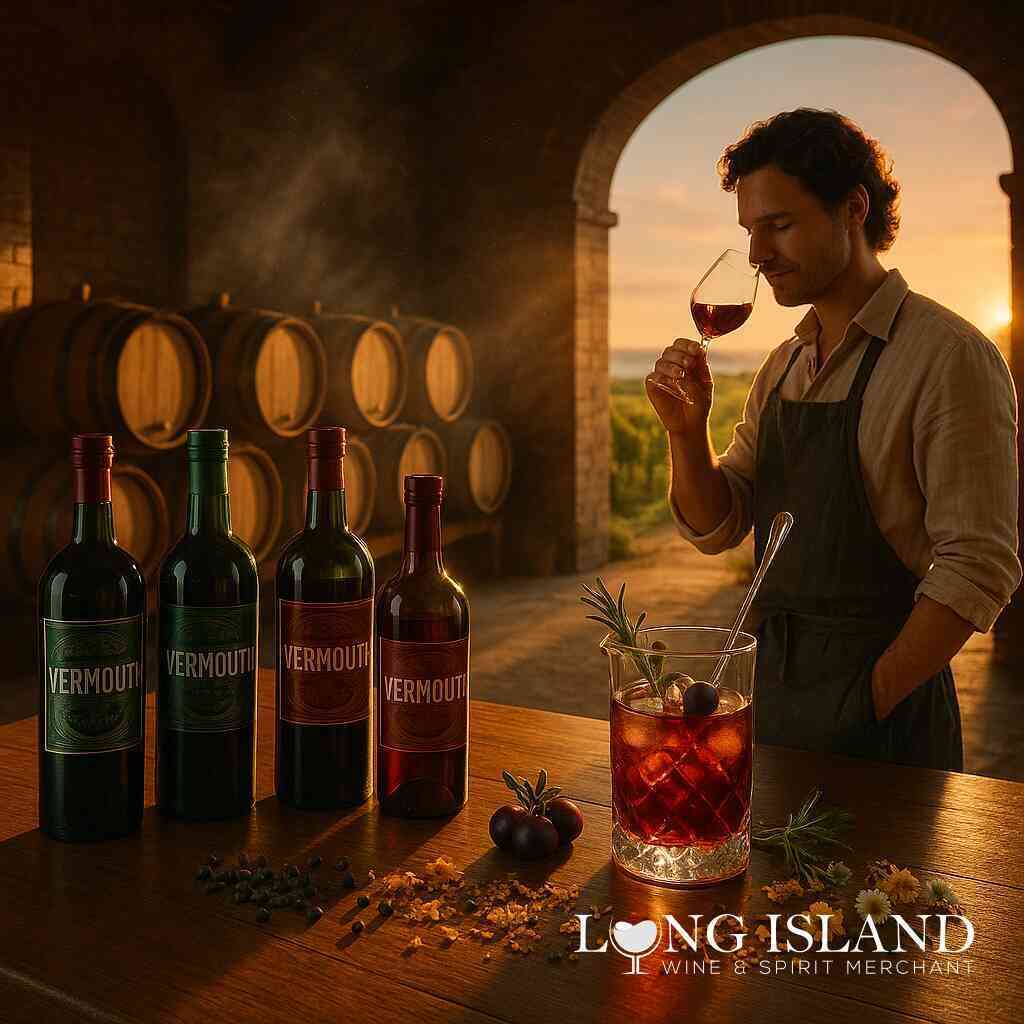
Why Vermouth Is Suddenly Everywhere
Vermouth sat ignored on many back bars for decades. In 2025 it is the fastest-moving fortified wine on Long Island. A key driver is the curation program at Long Island Alcohol Store in Commack. By treating vermouth as a wine category—rather than just a cocktail modifier—the shop has turned casual shoppers into informed aperitif fans.
This overview breaks down how the store does it and what home bartenders, restaurant buyers, and curious drinkers can take from its approach.
A Dedicated Vermouth Wall—Not a Token Shelf
The first surprise when you walk in is an eight-foot run of shelving devoted only to vermouth. Bottles are grouped by style rather than by brand:
- Dry and Extra-Dry
- Blanc and Bianco
- Sweet (Rosso, Rouge)
- Seasonal or Experimental
Each section carries shelf talkers that explain base-wine varietals, sugar levels (expressed in grams per liter for transparency), and key botanicals.
Why it works:
- Shoppers can quickly compare sweetness and aroma profiles side by side.
- Positioning vermouth next to still wine reframes it as a sipping option, not merely a cocktail component.
- Producers appreciate being highlighted in a context that values ingredient provenance and craft.
Education Drives Trust—and Sales
The store hosts free weekend tastings that last 10–12 minutes per group. Staff pour ½-ounce samples of three contrasting styles, then walk through:
- Base wine choices—North Fork Chardonnay vs. Finger Lakes Riesling.
- Fortification method—grape neutral spirit infused with local herbs.
- Maceration timelines and resulting texture.
- Classic cocktail ratios in plain language (e.g., “2 ounces London-dry gin to 1 ounce extra-dry vermouth”).
Customers leave with a concise handout and the confidence to replicate balanced drinks at home. That combination of tasting and practical instruction builds authority without feeling like a lecture.
Turning the Sales Floor Into a Mixology Lab
Bartenders from Montauk, Huntington, and even Brooklyn treat the Commack shop as a neutral testing ground. On weekday mornings, they arrive with their bar notebooks and run bench trials using the store’s precise jiggers and cold-stored garnishes. Feedback—whether a particular blanc expresses too much chamomile in a 50:50 martini—is noted by staff.
Every quarter the buying team compiles these notes into an internal report titled “On-Premise Adjustments.” Results shape the next order cycle, ensuring the retail lineup mirrors what professional bars actually need. Home customers benefit: they pick up the same vermouth that just appeared on an influential Manhattan cocktail list.
Embracing Local Terroir
Commack sits an hour from the North Fork vineyards and within striking distance of Brooklyn’s small distilleries. That geography lets Long Island Alcohol Store champion a farm-to-bottle supply chain:
- Base wines come from Long Island Sauvignon Blanc, Cabernet Franc rosé, or even hybrid varieties such as Vidal.
- Botanicals—beach plum, goldenrod, mugwort—are sourced from Suffolk County growers.
- Fortifying spirit is distilled from regional grape pomace.
Using the same climate and soil for wine, herbs, and spirit creates a true sense of place in every bottle. Shoppers taste the saline breeze and sandy loam synonymous with the island.
Seasonal Limited Releases Keep Curiosity High
The store collaborates with producers on small batches that showcase fleeting ingredients:
- Spring: Lilac-infused blanc with a touch of wildflower honey.
- Summer: Beach-plum rosso aged briefly in used rum barrels.
- Autumn: Cranberry-sage dry vermouth ideal for turkey-day spritzes.
- Winter: Spruce-tip extra-dry rested on neutral oak for texture.
Cases are numbered. Each bottle is tagged with harvest dates and suggested use-by windows so drinkers understand that vermouth, like any wine, is freshest when young.
Same-Day Delivery Protects Aromatics
Oxidation dulls delicate botanicals quickly. Long Island Alcohol Store mitigates this by offering same-day delivery within Nassau, Suffolk, and eastern Queens. Orders placed before 3 p.m. arrive by dinner, meaning a freshly bottled vermouth retains the bright top-notes that make a Martini pop.
For destinations outside the region, insulated shippers and cold packs maintain quality during two-day transit. The commitment signals respect for the liquid and reassures buyers that the product’s integrity comes first.
Practical Tips for Enjoying Vermouth at Home
- Store open bottles in the fridge. Aim to finish within six weeks.
- Use a 1:1 ratio with soda water for an effortless low-ABV spritz.
- Try vermouth in the kitchen: deglaze a pan with dry style for a quick fish sauce; add a spoon of sweet rosso to beef stew for depth.
- Taste neat before mixing. Understanding baseline sweetness helps fine-tune sugar adjustments in cocktails.
The Bigger Picture: Aperitif Culture Reimagined
By normalizing vermouth flights and encouraging data-driven experimentation, Long Island Alcohol Store has shifted regional drinking habits. Similar to how craft beer aisles once expanded, aperitif sections are now growing in neighboring shops. Local restaurants pair vermouth with oysters or charcuterie boards rather than defaulting to white wine. Consumers ask informed questions about wormwood sourcing and residual sugar the way they once dissected hop varieties.
In short, Commack has become a postcode synonymous with vermouth innovation. The model—spot a budding trend, respect the craft, educate clearly, and shorten the supply chain—can be copied by any specialty retailer. For drinkers, the takeaway is simple: treat vermouth as you would a good wine. Store it cold, drink it fresh, and explore styles beyond the usual suspects.
Curiosity, clear information, and locality turned a forgotten mixer into a showcase beverage. On Long Island in 2025, the aperitif renaissance is no longer theory; it is a thriving, community-led practice.
How Long Island Alcohol Store Sets Trends in Vermouth Crafting


Comments
Post a Comment