Long Island Alcohol Store: Shaping 2025’s Craft Vodka Wave
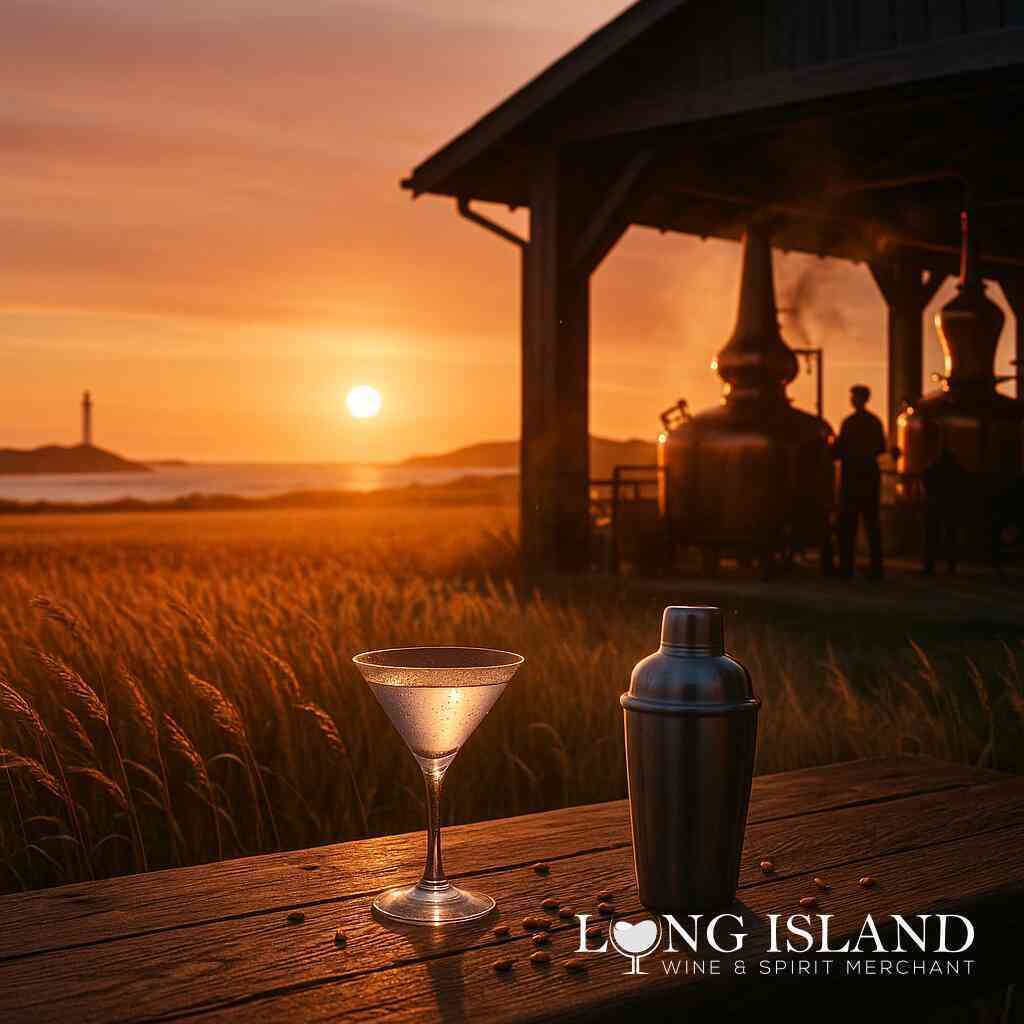
How One Store Became Long Island’s Craft Vodka Nerve Center
Walk into the Commack-based Long Island Alcohol Store and you feel it immediately: clear spirits are no longer generic. Over the past few seasons the shop has turned itself into a proving ground for farm-to-bottle vodka, shining a light on small producers who treat grain, water, and even sea air as ingredients worth celebrating.
Grain-to-Glass Starts on Local Farms
Long Island’s agricultural history often focuses on wine grapes, but wheat, rye, and heritage corn are reclaiming acreage from Riverhead to Calverton. Distillers contract directly with family farmers, locking in lots of traceable grain and providing steady income that keeps fields in cultivation. Once the harvest arrives, producers do the messy work themselves: milling, mashing, fermenting, and distilling under one roof.
That integrity matters at retail. Store buyers taste each new batch alongside the distiller, looking for the rounded mouthfeel that soft winter wheat delivers or the peppery lift of rye. Only the releases that capture character rather than strip it away earn shelf space. In turn, shoppers can compare two or three bottles made from different mash bills and get firsthand advice on which will stand out in a martini versus a citrus-forward cocktail.
Environmental Payoff
Buying close to home also trims the carbon footprint. Grain travels a handful of miles instead of crossing state lines, and finished vodka takes a short ride to Commack rather than a cross-country haul. It is a small change in the grand scheme, but for conscious drinkers it adds another reason to reach for local labels.
Vodka Terroir Is Real—and It Is Tasted Here First
Wine lovers have spent decades debating soil types and microclimates. Now distillers are proving that neutral spirit can carry a sense of place as well. Two factors make Long Island vodka distinctly coastal:
- Aquifer water: Naturally filtered through sandy glacial soils, it lends a subtle salinity and soft texture that would disappear if the liquid were distilled elsewhere.
- Sea air fermentation: Warehouses near the Sound or the Atlantic bring in humid, briny air that influences yeast behavior and ester formation.
Long Island Alcohol Store turns these nuances into teachable moments. Short guided flights—usually three quarter-ounce pours—let guests taste Montauk’s breezy delicacy beside the richer grain notes of a North Fork release. Blind pours routinely convince skeptics that even chilled vodka can signal geography.
Seasonal Limited Editions Keep the Category Fresh
The craft movement thrives on novelty, but novelty has to feel genuine. Distillers time small runs to Long Island harvest schedules:
- Early summer: Cucumber or strawberry macerations draw crowds looking for light spritz bases.
- Mid-autumn: Roasted pumpkin and honeycrisp apple vodkas pair with cider cocktails and Thanksgiving menus.
- Year-end holidays: Cranberry-sage, candy-stripe beet, or black-currant infusions appear just long enough for celebratory toasts, then disappear before fatigue sets in.
The shop’s rotating end-cap makes each debut obvious. Social feeds preview what is landing that week, so regulars place holds before the bottles sell through. That feedback loop encourages distillers to take more chances, knowing there is an eager audience ready to explore.
Retail Curation That Doubles as Education
Unlike big-box outlets that rely on distributor spreadsheets, the Commack team acts as a tasting panel. They drive out to barn-side stills, sample experimental cuts, and write plain-language notes that end up on shelf talkers. When a customer asks, “Will this cloud my vodka tonic?” or “Is it charcoal filtered?” the staff can answer from firsthand experience.
Key talking points often include:
- Mash bill transparency: Exact grain percentages explained in simple terms.
- Fermentation length: Why a slower, cooler ferment pulls out fruit or cereal notes.
- Filtration choices: Some houses polish through coconut husk carbon; others skip heavy filtering to keep texture.
The result is that shoppers walk out feeling more like informed tasters than passive consumers.
Spotlight on Sustainability and Dietary Needs
Eco-responsibility goes beyond sourcing grain locally. Distillers highlighted here increasingly power stills with solar arrays or recycle heat from condensation lines to warm mash tanks. Spent grain feeds cattle at neighboring farms instead of heading to landfills.
Gluten-free drinkers also benefit. Many labels distill 100 percent corn or potato, and the store clearly tags those bottles. Even wheat-based spirits, which are technically gluten-free after distillation, carry extra lab results when available so sensitive customers can purchase with confidence.
How Bartenders Leverage the Store’s Selection
Area bars and restaurants treat the shop as an R&D library. Mixologists pick up 200-milliliter format test bottles, tinker with ratios, then commit to full cases once a recipe locks in. Because Long Island Alcohol Store ships within New York and to most surrounding states, a speakeasy in Brooklyn can pour a Southold vodka the same week it hits the tasting bar in Commack.
That flow of information shortens the time from experimental still run to final cocktail menu. Patrons sitting at a Manhattan bar may not realize it, but the spirit in their glass likely passed through this suburban storefront.
The Takeaway for Curious Drinkers
Craft vodka no longer hides behind the idea of being flavorless. On Long Island it carries grain sweetness, coastal minerality, and seasonal produce in every sip. The Long Island Alcohol Store has positioned itself at the center of that movement by:
- Vetting each small batch in person.
- Offering side-by-side comparisons that reveal terroir.
- Supporting sustainable, transparent production.
- Giving both home enthusiasts and professional bartenders fast access to limited releases.
For anyone who still thinks all vodkas taste the same, a single visit—or even a curated shipment—should change that perception. The region’s farmers, distillers, and this unexpectedly influential retailer are writing a new chapter in American spirits, one grain kernel and one small bottle at a time.
How Long Island Alcohol Store Influences the Craft Vodka Scene


Comments
Post a Comment