Long Island Alcohol Store: Craft Spirits Trends for 2025
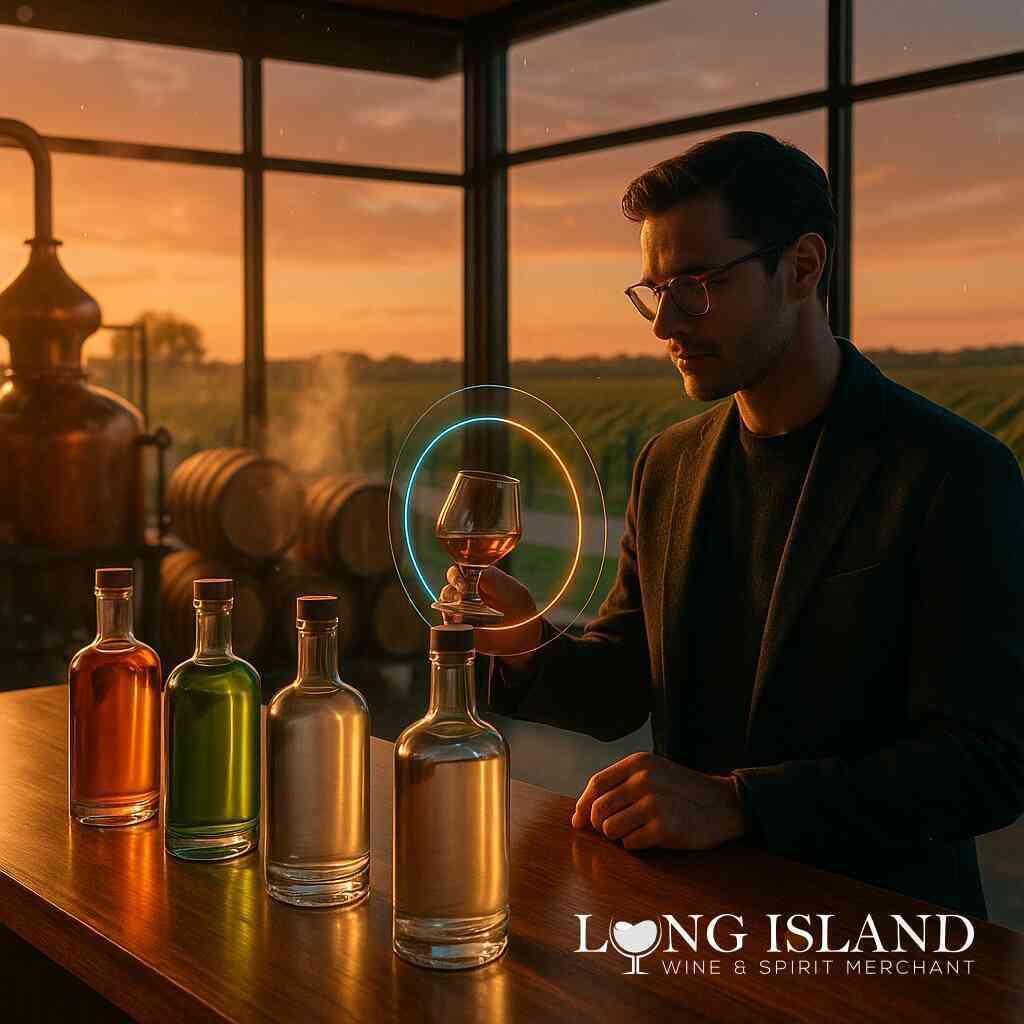
Uncorking Tomorrow’s Bar Today
Long Island Alcohol Store has grown far beyond the image of a convenient neighborhood liquor shop. In 2025 it operates more like a testing ground for the next wave of American craft spirits. Walk into the Commack showroom on any weekend and you may see a new gin infused with local beach plums, a micro-release of molasses-forward rum from a Greenport distillery, or a tasting flight built around single-grain whiskeys aged in experimental oak. This overview explains how the retailer is redefining what a modern spirits destination looks like and why its approach matters to drinkers, bartenders, and emerging producers across the region.
1. A Storefront Turned Innovation Lab
Collaboration First
Instead of keeping suppliers at arm’s length, the store invites distillers and winemakers to share the floor. Limited barrel samples are poured alongside the finished product so guests can experience how six more months in wood change mouthfeel and aroma. Feedback is captured on digital tablets, then relayed to the producer the same afternoon. That rapid loop helps small brands tweak mash bills or aging time while a batch is still in motion.
Rotating Micro-Releases
Large chains often shy away from tiny allocations that cannot fill shelves nationwide. Long Island Alcohol Store does the opposite. It reserves specific end-caps for 50- to 200-bottle lots that might never reach another ZIP code. Shoppers learn to visit often or risk missing out, and in return distillers gain a built-in launchpad without the pressure of scaling too fast.
Education on Tap
Weekly classes break down topics like “Rum Beyond the Caribbean” and “Savory Botanicals in Modern Gin.” Sessions stay small—usually 12 seats—so attendees can ask direct questions and compare notes. The result is a community that speaks the language of esters, congeners, and barrel char rather than just proof and price.
2. Digital Tools, Human Guidance
Deep Product Pages
Every bottle in inventory now carries an expanded online profile: tasting notes, production method, sustainability practices, and suggested serves. Casual buyers use these blurbs to narrow choices quickly. Enthusiasts drill deeper, looking at altitude of agave fields or the rye-to-corn ratio in a bourbon mash.
AI-Driven Taste Quiz
A short interactive quiz asks about flavor memories—black tea, dark chocolate, citrus zest, and so on. Answers feed a recommendation engine that cross-references purchase history and staff input. The system then suggests three to five bottles in real time. Shoppers can order for local pick-up or ship nationwide, confident the match will fit their palate.
Live Chat With Specialists
Algorithms make discovery faster, but final confidence often comes from a human. Certified spirits professionals monitor live chat to clarify regional labeling laws, explain why one añejo tequila feels sweeter than another, or guide food-pairing choices. The hybrid model balances efficiency with trust.
3. Why Commack Became the New Cocktail Crossroads
Geographic Advantage
Located between the North Shore wine trail and Suffolk County’s growing brewery scene, Commack draws both suburban families and weekend tourists. The store acts as a neutral meeting ground where a local brewer can swap ideas with a Manhattan bartender or a cider maker from the East End.
Data-Backed Stocking Decisions
Point-of-sale analytics flag upticks in lower-ABV aperitifs, no-sugar RTDs, or heritage-grain vodkas within days, not months. Buyers can pivot quickly, ensuring shelves reflect live demand rather than last quarter’s trend report.
Community Events
Pop-up festivals pair Long Island rosé with Vietnamese street food one weekend and Brazilian cachaça cocktails with live bossa nova the next. By framing spirits within cultural experiences, the store turns product education into entertainment and keeps loyal patrons engaged year-round.
4. Sustainability Woven Into Selection
Transparent Sourcing
Bottle signage lists the origin of raw materials along with any third-party certifications. Whether it is a biodynamic vineyard or a distillery using solar steam, shoppers see the ecological footprint without hunting for it online.
Refillable and Returnable Options
Several gin and rum partners now deliver in 4.5-liter eco-kegs. Customers refill branded glass bottles at a discount, cutting single-use glass and saving shelf space for new experimental releases.
Waste-to-Taste Initiatives
Spent grain from a local brewery becomes the base for a limited vodka run. Citrus rinds left after cocktail classes are infused into amari instead of hitting the compost. These closed-loop practices add unique flavor stories while underscoring environmental responsibility.
5. What This Means for Drinkers
• Broader Horizons: Shoppers gain access to small producers that larger retailers overlook.
• Better Personalization: AI tools and specialist guidance remove guesswork, making it easier to explore confidently.
• Deeper Connection: Events and education foster a sense of belonging that pure e-commerce struggles to replicate.
• Sustainable Choices: Clear labeling and refill stations give consumers control over the impact of their purchases.
6. Key Takeaways for 2025 and Beyond
- Curation Beats Volume – A targeted, rotating selection keeps discovery exciting without overwhelming visitors.
- Tech and Touch Are Complementary – Digital convenience succeeds when paired with real expertise.
- Community Enhances Value – Workshops and festivals convert a simple transaction into an ongoing relationship.
- Sustainability Is No Longer Niche – Ecological transparency influences buying decisions across age groups.
Long Island Alcohol Store demonstrates that a forward-thinking retailer can act as incubator, educator, and sustainability advocate all at once. As 2025 unfolds, its blend of craft collaboration, data-driven service, and community engagement offers a blueprint for any spirits shop aiming to stay relevant in a rapidly evolving beverage landscape.
How Does Long Island Alcohol Store Redefine Spirits for 2025


Comments
Post a Comment