Liquor Store Mixology Secrets: Gin, Rum & Bourbon Tips
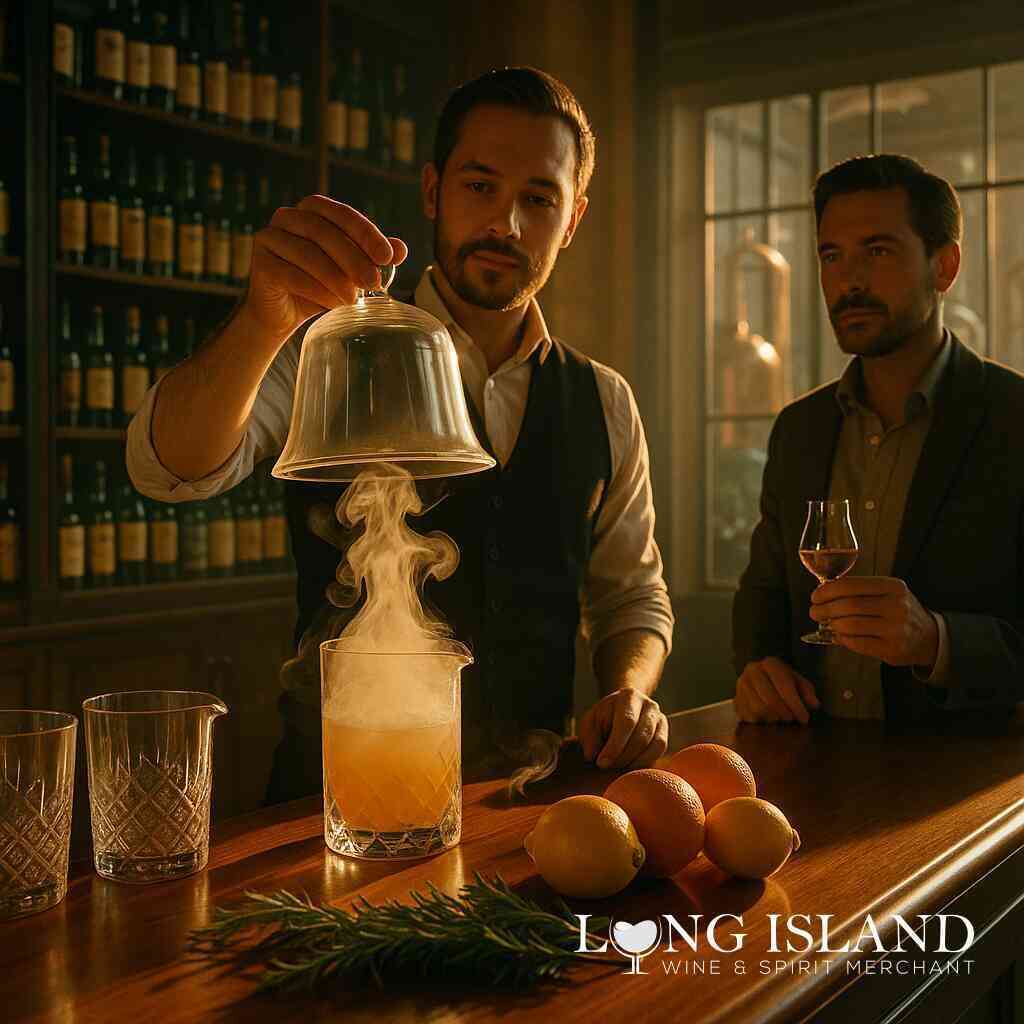
Entrance to Modern Bottle Alchemy
Open-door liquor retail sets the stage for contemporary cocktail experimentation. A well-curated store typically balances heritage labels with emerging craft brands, giving bartenders and hobbyists equal access to fresh ideas. National shipping networks now extend these options far beyond regional boundaries, so rare mezcal or limited-release rye often reaches home bars within days. Temperature-controlled packaging and careful cushioning protect volatile aromas during transit, preserving the integrity required for advanced mixology.
Flavor Mapping Before the First Pour
Palate assessments, frequently delivered as brief preference quizzes, have become standard practice. Answer sets identify sweetness tolerance, texture expectations, and favored aromatic families. Staff then align individual profiles with bottles that highlight compatible notes. For example:
- A fondness for herbal tea steers recommendations toward dry vermouth or gentian-forward amaro.
- Preference for ripe stone fruit indicates success with wheated bourbon or Sauternes-finished Scotch.
- High spice acceptance pairs well with high-ester Jamaican rum or rye whiskey.
Organized flavor mapping reduces wasted trials, simplifies inventory planning, and supports more consistent cocktail results.
Gin: Botanical Diversity Across Borders
Contemporary gin extends far beyond traditional juniper, coriander, and citrus peel. Domestic distillers often showcase local botanicals such as lavender, sage, or desert rose. These ingredients create lighter, brighter profiles suited to spritzes and Collins variants. By contrast, many European producers favor grape-neutral bases and denser spice matrices, yielding weightier textures ideal for spirit-forward martinis.
Side-by-side flights help differentiate oil content, mouthfeel, and finish length. When building recipes, professionals frequently match lighter domestic expressions with delicate modifiers—elderflower liqueur, cucumber shrub, or dry fino sherry—while reserving robust London Dry or Old Tom styles for classics like the Negroni.
Key considerations when selecting gin for creative work:
- Botanical origin and intensity
- Base spirit type (grain vs. grape)
- Distillation method (vacuum, pot, or column)
- Bottle strength, since higher proof carries aromatics more effectively
Rum: Aging Climate Shapes Character
Rum’s aging environment exerts greater influence on flavor than age statement alone. Tropical warehouses in Jamaica, Barbados, or Martinique promote rapid interaction between spirit and oak, producing expressive notes of banana, pineapple, clove, and tobacco in just three to five years. Continental aging in cooler climates slows ester development, yielding subtler vanilla, cocoa, and dried fruit layers over longer periods.
When comparing rums, observers often evaluate:
- Barrel type: ex-bourbon, cognac, or new American oak
- Maturation location and humidity level
- Presence of a solera system vs. single-cask aging
- Ester count, which affects perceived funk and depth
High-ester rums thrive in tiki builds, while softly aged Spanish-style spirits integrate smoothly into creamy dessert cocktails.
Bourbon: Smoke as an Accent, Not a Mask
Bourbon’s inherent character—corn-derived sweetness and oak spice—pairs naturally with smoke, yet balance remains critical. Many bartenders favor high-rye mash bills for smoke infusion because the additional peppery bite stands up to woody aromas. Smoke introduction methods include:
- Hickory or cherrywood chips placed in a smoking box, then funneled into a decanter containing the whiskey
- Barrel staves lightly charred and added during brief in-bottle resting periods
- Smoked glassware, where the vessel receives the smoke rather than the spirit
Short exposure times preserve vanilla and caramel nuances while lending subtle campfire notes. Over-smoking can flatten complexity, so timed trials and incremental tasting guide optimal duration.
Packaging for Safe Arrival and Shelf Efficiency
Retailers increasingly offer scaled bottle formats—200 ml, 375 ml, and 1-liter—to accommodate storage limitations and diversify tasting sessions. Heavy glass is cushioned with recyclable pulp inserts; temperature-sensitive items may travel with phase-change cool packs. Tracking transparency builds consumer confidence and reduces loss claims, contributing to reliable nationwide service.
Integrating Knowledge Into the Home Bar
A methodical approach—palate mapping, comparative tasting, and mindful technique—elevates ordinary drinking into disciplined craft. Access to diverse spirits, combined with careful logistics and measured experimentation, unlocks a spectrum of flavors once limited to professional bars. As distribution networks expand and educational resources grow, at-home mixology continues to gain both sophistication and precision.
https://www.liquorstoresopen.com/unlocking-liquor-store-open-mixology-secrets-for-you/


Comments
Post a Comment