Inside Long Island Liquor Store: New York's Craft Beer Haven
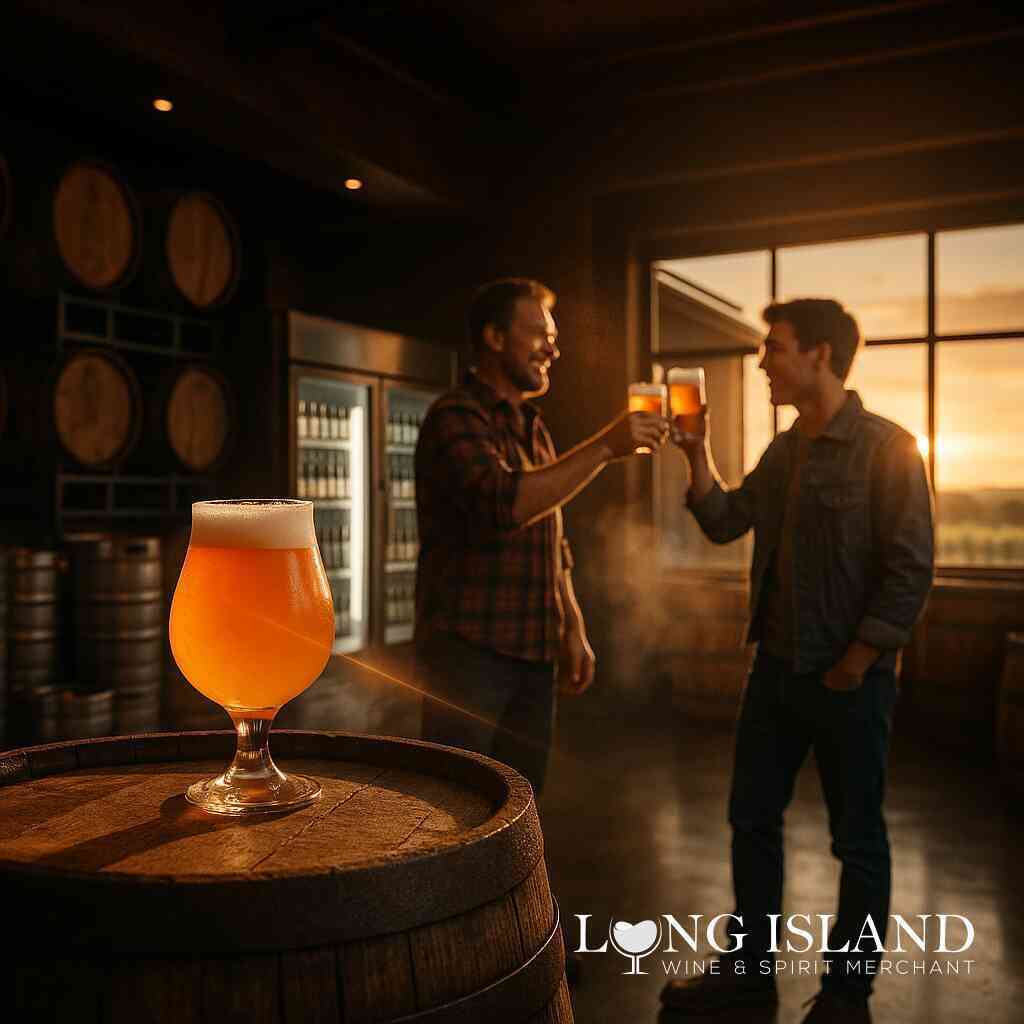
A Fresh Pour of Perspective
Long Island Liquor Store in Commack has quietly transformed from a traditional bottle shop into one of New York’s most respected craft beer destinations. Walk through the doors today and you will find floor-to-ceiling coolers dedicated to hazy IPAs, mixed-culture sours, and bourbon-soaked imperial stouts—all kept at precise temperatures to protect delicate hop oils and yeast character. This guide explains how the shop earned that reputation and why its approach feels different from other retailers in the state.
Commack: An Unlikely IPA Epicenter
Commack sits midway between Queens and the Hamptons, better known for commuter traffic than cutting-edge brewing. Yet the suburb’s location turned out to be ideal. It is close enough for quick weekly deliveries from breweries in Brooklyn, Bayshore, and Riverhead, while still serving a large population of Suffolk County drinkers hungry for variety. By receiving pallets every Friday and rotating kegs the same day, the store routinely places beers on shelves less than 24 hours after packaging—a freshness window most metropolitan shops struggle to match.
Key Practices That Keep the Beer Vibrant
- Refrigerated loading docks so cans never warm above 38 °F
- "Packaged on" dates printed on shelf tags for total transparency
- Strict first-in-first-out rotation monitored by bar-coded inventory software
From Wine Merchant to Hop Curator
The business opened in 2015 with a focus on Cabernet, Burgundy, and small-batch Cognac. Within two years, however, staff noticed customers asking pointed questions about lupulin levels and New England–style haze. Rather than treat beer as a secondary category, management invested in staff training that mirrored its wine program. Certified sommeliers learned to discuss thiol expression the way they once spoke about limestone soils, and the results show up in every conversation at the counter.
Crossover Skills That Elevate Service
- Blind tasting drills for both wine and beer teams each week
- Flavor wheels posted behind the register highlighting hop aroma families
- In-house engraving for crowlers and bottles—popular for custom gifts
Three Pillars of the Craft Program
- Uncompromising Freshness
Time kills hop flavor. The store’s strict cold-chain policy keeps bitterness crisp and fruit notes bright. - Storytelling and Terroir
Each cooler shelf features cards describing where the grains were grown, how the yeast was sourced, and which local farms provided adjuncts like honey or strawberries. - Diversity of Styles
Pilsner traditionalists, pastry stout collectors, and gluten-reduced drinkers will all find something tailored to their palate.
Farm-to-Pint Collaborations
Several Suffolk County breweries invite the Long Island Liquor Store buying team to walk barley fields before harvest. Those visits influence both recipe design and the educational material shared with shoppers. When a beer brewed with Montauk sea salt launches, staff explains how Atlantic air impacts mineral balance. The result is a direct line between local agriculture and the glass in your hand.
Seasonal Examples
- Spring Kölsch brewed with rye from Calverton, adding gentle spice
- Summer Gose soured on peaches picked less than 15 miles away
- Autumn Brown Ale incorporating roasted pumpkins from East End patches
Limited-Release Fridays
Every Friday at noon, a small brass bell rings to announce that week’s limited drop. Quantities often hover under ten cases, and each can carries a handwritten time stamp. Regulars form informal queues, but the environment stays relaxed because staff enforces a one-four-pack-per-person policy to discourage secondary-market flipping.
Tips for Landing a Rare Can
- Arrive ten minutes early; lines are friendly and move quickly.
- Check the chalkboard for allocation limits before choosing.
- Bring a cooler if you plan to travel—cold storage remains critical.
Education Beyond the Shelf
The store hosts monthly workshops focused on practical skills rather than marketing hype. Recent sessions covered cellaring high-gravity stouts, deciphering alpha-acid percentages, and pairing kettle sours with Long Island oysters. These events are capped at twenty attendees to ensure everyone can ask questions and taste each sample in proper glassware.
Delivery Program With a Cold Chain Mindset
New York traffic can be brutal, but the logistics team has mapped efficient routes so that Brooklyn, Queens, and Manhattan customers receive cold goods the same day. Drivers carry portable refrigerators powered by the van’s battery system, keeping beer under 40 °F door to door.
Why Temperature Matters in Transit
- Hops degrade rapidly above 45 °F, muting citrus and tropical flavors.
- Wild and mixed-culture beers can re-ferment if warmed, leading to off flavors or gushing.
- Consistency builds trust; customers know a Commack can will taste the way the brewer intended.
A Model Other Retailers Now Study
Distributors report that other New York retailers often call asking how Long Island Liquor Store maintains such freshness metrics. The answer lies in simple but disciplined habits: cold storage at every step, knowledgeable staff, and genuine respect for local agriculture. It is an approach that feels both modern and refreshingly old-fashioned—put quality first and customers will return.
Quick Takeaways for Craft Beer Shoppers
- Look for packaging dates and choose the newest stock, especially in hop-forward styles.
- Ask staff about farm sources or ingredient origins; good retailers love to share.
- Treat beer like fresh produce—store it cold and consume promptly for peak flavor.
Final Thoughts
In 2025 the New York craft scene is more competitive than ever, yet Long Island Liquor Store continues to stand out by treating every can with the same respect once reserved for first-growth Bordeaux. That blend of meticulous handling, local storytelling, and unpretentious hospitality has turned a suburban shop into a genuine craft beer haven—and it shows no sign of slowing down.
https://www.longislandliquorstores.com/why-long-island-liquor-stores-craft-beer-concepts-stand-out-in-new-york/


Comments
Post a Comment