Inside Commack’s Hidden Cognac Vaults: Premium Online Picks
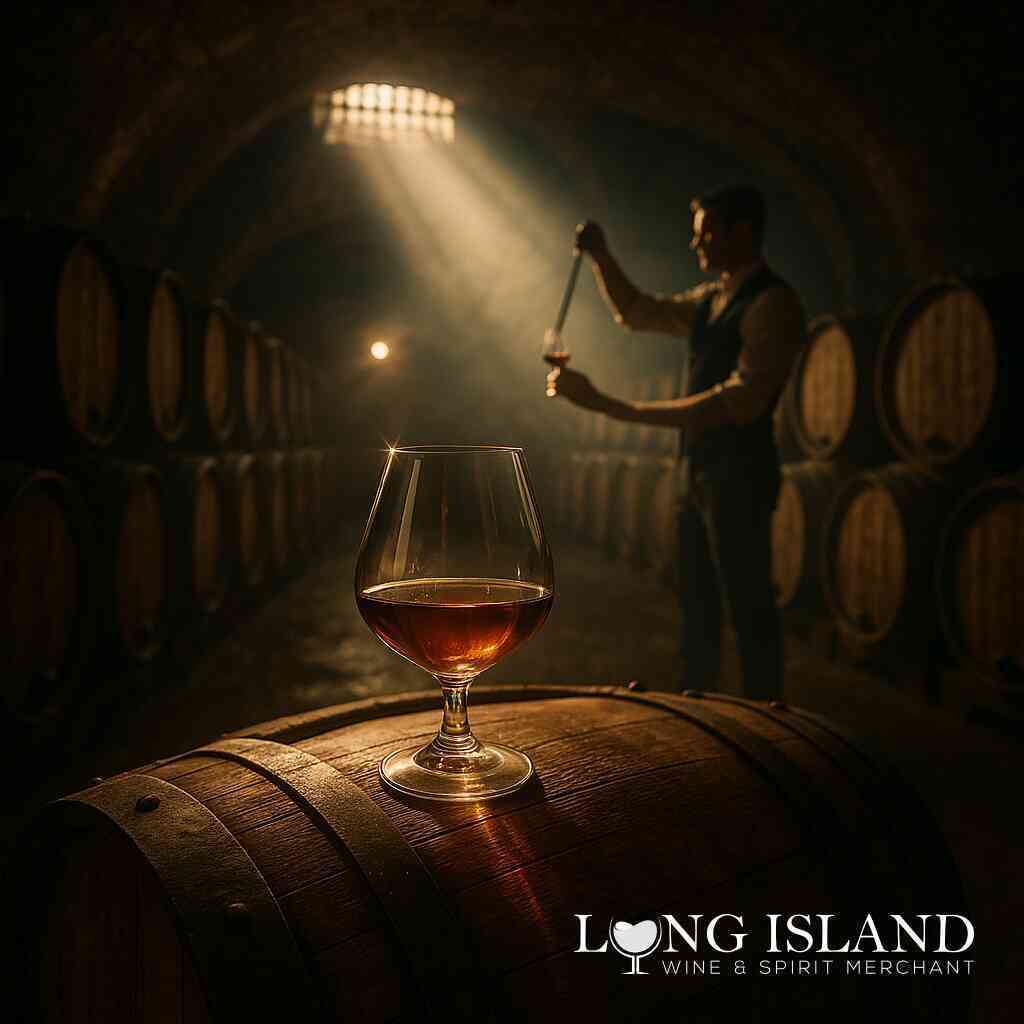
Why a Small Long Island Store Leads the Cognac Conversation
Few people expect world-class brandy knowledge in suburban Commack, yet that is exactly where Liquor Store Open quietly built one of the most respected cognac programs in the country. This overview explores how a neighborhood storefront grew into a nationwide reference point for barrel-aged excellence—and what that means for collectors, home bartenders, and anyone curious about sipping something extraordinary.
From Local Shelves to Global Cellar Influence
Liquor Store Open started in a single aisle of spirits just off Jericho Turnpike. As regulars began requesting rarer pours, the owners invested in temperature-controlled storage, built relationships with family-run French houses, and documented every incoming barrel with lab-grade precision. Word spread. Today the same team ships carefully packed bottles to connoisseurs in all 50 states, yet still greets Commack residents by name at the register.
Key practice behind the rise:
- Terroir-first sourcing. Only eaux-de-vie that clearly express the soil and microclimate of their cru make the cut.
- Transparent data. Age statements, barrel origin, and humidity history accompany each label so buyers know exactly what is in the glass.
- Logistics discipline. Bottles rest in 58-degree, 70-percent humidity rooms until a chilled truck or insulated shipper leaves the dock.
Sustainable Production Is No Longer Optional
Environmental stewardship is woven into every purchase decision. Growers favored by the Commack team limit water draw, compost spent lees, and use lighter bottles to reduce freight emissions. Solar panels power many of the partner distilleries’ still houses. That care matters for two reasons:
- Cognac relies on healthy Ugni Blanc vineyards that can only thrive long-term if soil biology is respected.
- Drinkers increasingly demand proof that luxury does not come at the planet’s expense.
By documenting each producer’s efforts, Liquor Store Open enables shoppers to choose bottles that align with modern sustainability values without sacrificing depth or complexity.
How Heritage Blending Creates Modern Flavor Stories
Great cognac is seldom the work of a single vintage. Cellar masters layer eaux-de-vie across age groups to find harmony between fresh fruit, mid-palate spice, and the rancio notes prized in older stock. The Commack team routinely translates these technical decisions into plain language tasting sheets so enthusiasts understand why a particular blend tastes of baked pear or roasted hazelnut.
Typical information shared with buyers:
- Percentage of Borderies vs. Grande Champagne spirit
- Average and minimum age of components
- Oak forest (Limousin or Tronçais) that provided the barrels
- Refill count for each cask, a major driver of vanilla and tannin levels
Armed with that context, a drinker can turn an after-dinner pour into a conversation about history, agriculture, and craftsmanship—not just alcohol percentage.
Inside the Long Island Vaults: Traceability in Action
What happens between French warehouse and your cabinet determines final quality. Liquor Store Open uses bar-code sensors that log temperature every hour from port arrival to point of sale. Bottles showing any excursion outside the safe range are removed from inventory. Each case is also weighed at check-in to confirm that no evaporation or leakage occurred in transit.
These extra steps may sound obsessive. They are exactly why collectors trust the store with limited releases that can cost more than a weekend vacation. Consistency builds confidence—and confidence encourages more ambitious purchases, which in turn justifies a deeper selection for every customer.
Selecting the Right Cognac Style for Your Palate
Not sure where to start? Use the broad age categories as a roadmap, then refine from there.
| Style | Typical Age | Flavor Snapshot |
|---|---|---|
| VS | 2–4 years | Bright apple, white flower, lively heat |
| VSOP | 4–10 years | Honey, apricot, gentle baking spice |
| XO | 10–25 years | Dark plum, cocoa, sandalwood |
| Hors d’Âge | 25+ years | Leather, walnut, cigar box, long rancio finish |
Tasting tip: pour a one-ounce sample into a tulip glass and let it sit five minutes. Swirl gently, inhale with your mouth slightly open, then take a small sip and hold it on the tongue for at least eight seconds. The extra oxygen highlights layered aromas while the extended contact warms the spirit, unlocking secondary flavors.
Serving and Storage Essentials
A fine cognac can deteriorate if treated casually. Keep these guidelines handy:
- Bottle upright. Cognac’s higher proof can degrade cork if stored sideways.
- Stable temperature. 55–65 °F avoids both evaporation and haze.
- Moderate light. Sunlight bleaches color and introduces off aromas.
- After opening, aim to finish within two years. Once the fill level drops below 40 percent, transfer to a smaller container to reduce oxygen exposure.
Glassware matters, too. A copita or ISO wine glass concentrates aroma better than the wide “balloon” bowl popular decades ago.
Entertaining With Confidence
Looking to impress friends? Try a simple tasting flight:
- Young VS from Fins Bois—shows fresh fruit.
- Mid-age VSOP from Petite Champagne—introduces floral depth.
- 20-year XO from Grande Champagne—demonstrates complexity and length.
Serve one-ounce pours alongside neutral crackers and a small dish of almonds. Encourage guests to take notes. Conversation will flow naturally as differences emerge.
Why Commack Will Remain a Cognac Destination in 2025 and Beyond
The global thirst for luxury brown spirits keeps rising, yet availability of truly aged stock is finite. Stores that invested early in producer relationships, storage technology, and staff education are now gatekeepers of authenticity. Liquor Store Open sits squarely in that role. By continuing to champion sustainability, radical transparency, and customer education, the team ensures that a humble Long Island town remains on every serious drinker’s map.
Quick Takeaways
- A rigorous supply chain protects delicate aromas from vineyard to your glass.
- Sustainability is measured, not marketed; look for concrete farming and packaging details.
- Heritage blending tells human stories—ask for them, then share with your guests.
- Proper storage and glassware make the difference between a good pour and an unforgettable experience.
Whether you plan to cellar an Hors d’Âge for a milestone celebration or simply want a dependable VSOP for winter cocktails, the Commack vaults hold a bottle that fits the moment. Explore with curiosity, sip with respect, and allow each dram to transport you to the quiet chais of southwest France—no passport required.
Unveiling Liquor Store Open’s Secret Cognac Artistry


Comments
Post a Comment