How to Master Cognac Selection at Long Island Liquor Store
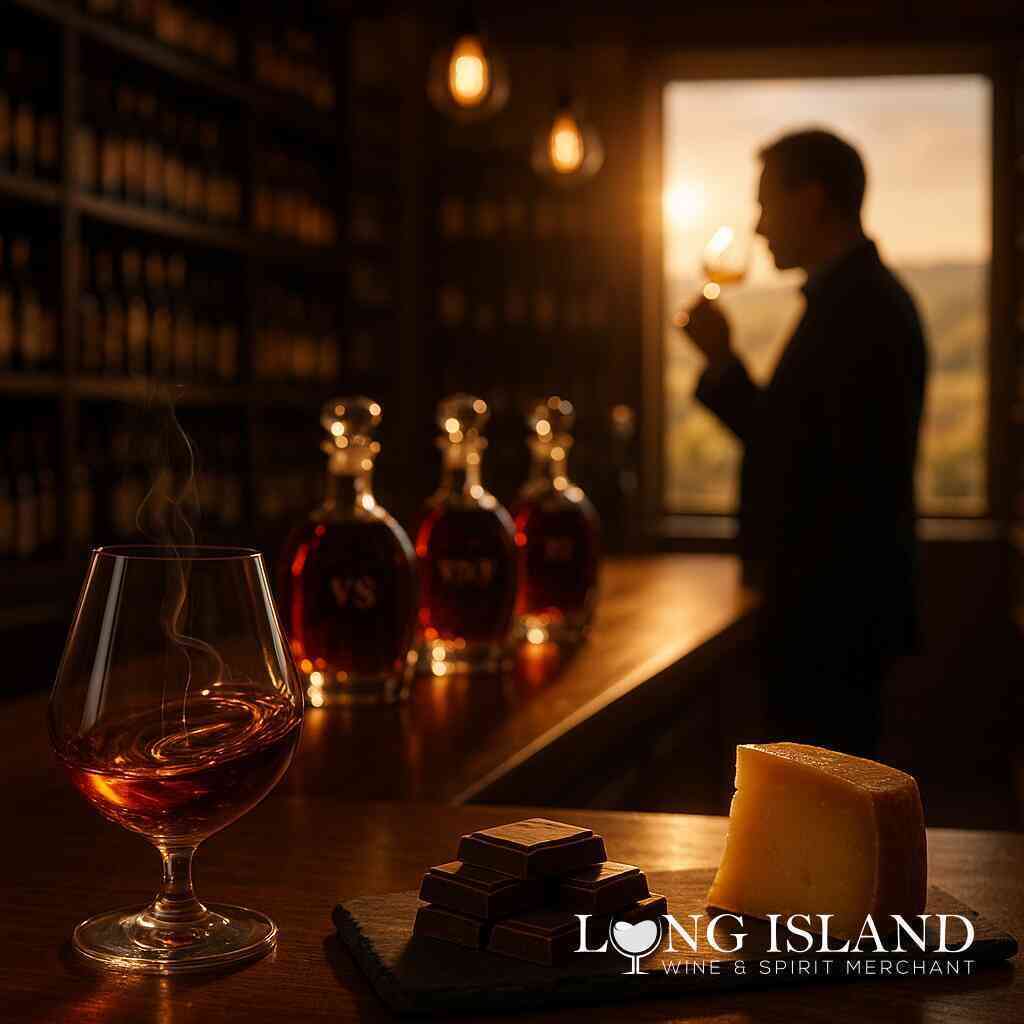
Stepping up to the Cognac wall in Long Island Liquor Store can feel like entering a grand French cellar. Labels flash unfamiliar terms—Grande Champagne, XO, rancio—while price tags swing from approachable to eye-watering. This guide clears the haze, explaining how to read terroir, age, and house style so each purchase fits the moment and the palate.
1. Start With Glass, Temperature, and Mind-set
Before a single bottle leaves the shelf, think about service. A tulip-shaped glass concentrates fragile aromas better than a wide snifter. Hold the stem; hand heat dulls nuance. Serve younger VS spirits just below room temperature for freshness. Older XO or hors d’âge benefits from a gentle warm-up in the palm—two degrees can unlock dried-fruit depth without spiking alcohol burn.
2. Decode the Six Cognac Crus at a Glance
French law divides Cognac country into six growing zones, each stamped on many labels. Understanding the impression each cru offers helps narrow choices fast.
| Cru | Style Snapshot |
|---|---|
| Grande Champagne | High-toned jasmine, pear, long aging potential |
| Petite Champagne | Similar finesse with firmer mineral core |
| Borderies | Floral violet, baking spice, silkier texture |
| Fins Bois | Lush stone fruit, earlier maturity, weekday friendly |
| Bons Bois | Rustic apple, oak spice, often in blends |
| Bois Ordinaire | Coastal breeze, straightforward fruit, cocktail base |
Shelves in Commack arrange bottles so these regions sit side by side. If dinner features oysters, a Champagne cru keeps flavors bright. For a fireside dessert, Borderies’ floral spice complements chocolate and nuts.
3. Age Statements in Plain English
Cognac classification follows minimum barrel time, not an exact number on every drop.
• VS (Very Special): 2+ years. Think orchard fruit, vanilla, lively cocktails.
• VSOP (Very Superior Old Pale): 4+ years. Deeper dried apricot, soft caramel, neat or mixed.
• XO (Extra Old): 10+ years. Layers of hazelnut, cocoa, long silky finish—best sipped slowly.
• Hors d’âge: Legally XO, but often decades old. Expect walnuts, cigar box, rancio depth for meditative tasting.
Remember that many houses blend older eaux-de-vie into younger classifications, so a well-made VSOP can drink like a small-batch XO.
4. House Style Matters
Each producer guards a signature profile:
- Hennessy: Robust structure, spice, and oak—great for cigar pairings.
- Rémy Martin: Almost exclusively Champagne crus—floral, refined.
- Martell: Soft fruit and seamless texture, ideal for newcomers.
- Camus: Borderies specialists, emphasizing violet and baked pear.
- Craft micro-distillers: Expect bold, sometimes experimental oak regimens and single-vineyard bottlings.
Taste across two houses at the same age level to isolate what you prefer: oak influence, fruit purity, or a nutty oxidative edge known as rancio.
5. Build a Personal Tasting Roadmap
Long Island Liquor Store staff compile weekly tasting grids. Use them as a compass:
- Choose one variable at a time—either cru, age, or house.
- Keep pour sizes small (½ oz) so palate fatigue stays low.
- Jot three quick notes: aroma, mid-palate texture, and finish length.
- Rinse with room-temperature water, not ice-cold.
Within a month of weekly sessions, patterns emerge. Perhaps Borderies VSOP delivers the floral lift you crave, or maybe a Grande Champagne XO aligns with your cheese course.
6. Storage Tips Once the Bottle Is Home
- Upright is mandatory; cognac’s high proof erodes cork if it soaks.
- A cool, dim cabinet around 60 °F preserves volatile esters.
- After the fill level drops below one-quarter, transfer to a smaller glass bottle to reduce oxidation.
Unlike table wine, opened cognac keeps flavor integrity for months when stored correctly, making it easy to build a diverse collection without waste.
7. Simple Food Pairings That Shine
• Soft cheeses (Brie, Camembert) – Pair with VSOP Borderies for complementary cream and floral notes.
• Dark chocolate truffles – Match with XO Petite Champagne; cacao highlights hazelnut tones.
• Charcuterie – Fins Bois VS brings bright fruit to balance savory salt and fat.
• Spiced nuts – A mature hors d’âge accentuates warm nutmeg and walnut.
8. When to Mix, When to Sip Neat
Younger VS and VSOP expressions handle dilution and citrus in classics such as the Sidecar or French 75. Their vibrant fruit punches through sugar and acidity. Reserve XO and older bottles for neat enjoyment or a single drop of water to tease out hidden aromas.
9. Sustainable and Craft Bottles to Watch
Interest in low-intervention viticulture reached Cognac in recent vintages. Small estates experiment with organic Ugni Blanc and refill casks to lower oak demand. Ask staff for grower Cognacs carrying notes of fresh grape skin and less char. They deliver transparency from vineyard to glass and often cost less than marquee names.
10. Putting It All Together
Navigating Cognac is less about memorizing every château and more about linking region, age, and style to personal preference. At Long Island Liquor Store in Commack, the layout, tasting notes, and knowledgeable team turn what might feel daunting into an engaging journey. Whether selecting a weekday mixer or an heirloom bottle for a milestone, a quick scan of cru and age, followed by a focus on house character, ensures the spirit in your glass matches the occasion.
Approach the wall with curiosity, a tulip glass, and this roadmap. French cellars may lie an ocean away, but the complexities of Cognac are now well within reach on Long Island.
How to Navigate the Complexities of Cognac at Long Island Liquor Store


Comments
Post a Comment