How Long Island Liquor Store Curates New Years Wines
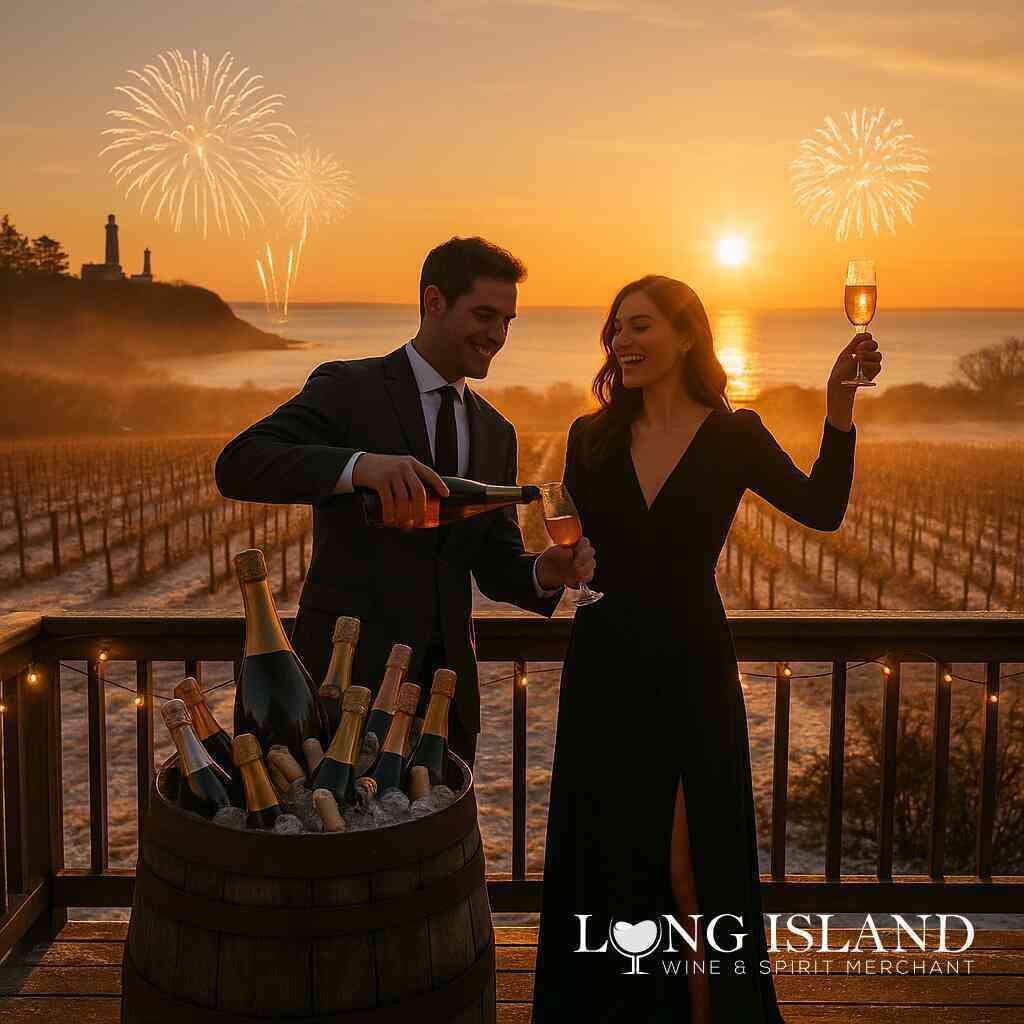
Long Island Liquor Store has become a quiet force behind thousands of New Year’s toasts across the country. This overview explains how a family-run shop in Commack channels local expertise, modern logistics, and sharp curation to dominate holiday wine delivery without relying on splashy national advertising.
1. A Commack Base With Nationwide Reach
Positioning matters. The warehouse sits close to the Long Island Expressway and Northern State Parkway, giving trucks a quick jump onto major shipping routes. Orders cleared by mid-afternoon often leave the island the same day, which keeps travel time—and the risk of temperature swings—low. Winter vans are fully insulated and fitted with data loggers, so staff can track that a case of sparkling rosé never drops below its ideal 50 °F range while it crosses state lines.
Behind these smooth departures is a small compliance team that reviews state shipping rules every week. Paperwork for Utah differs from paperwork for Florida, yet both parcels leave Commack with the right forms already attached. Hosts in remote zip codes receive bottles as reliably as next-door neighbors on the North Shore.
2. Vineyard Relationships Money Can’t Buy
Many buyers on staff grew up visiting North Fork estates long before those properties released award-winning merlot. Decades of shared harvest lunches now translate into first dibs on experimental barrels, single-block chardonnay, and magnums set aside for members-only clubs. While big-box stores wait for a distributor catalog, the Commack team might already be pouring the next limited cuvée in a weekend tasting flight.
These relationships also reduce middle-man handling. Bottles often travel straight from the winery’s temperature-controlled cellar to the store’s loading dock in under two hours. Fewer hand-offs mean fewer opportunities for corks to dry out or labels to scuff—details collectors notice when shopping for gifts that must look pristine.
3. Curated Shelves, Not Endless Aisles
Thousands of samples cross the tasting desk each year, yet only a fraction earn shelf space. Selection follows three baseline questions:
- Does the wine stay true to its region and grape?
- Is the price-to-pleasure ratio better than comparable bottles?
- Will it survive winter shipping without losing aroma or texture?
A structured scorecard keeps personal bias in check. A crowd-pleasing pinot that pairs with turkey earns a spot even if it lacks a cult following. Conversely, an expensive syrah that stumbles in blind tasting does not. The outcome is a lean portfolio whose weakest link is still dinner-party ready.
4. 2025 Consumer Trends Shaping the List
Several shifts explain why demand peaks the final two weeks of December:
- Authentic stories: People want a vineyard origin they can retell around the table. Small-lot North Fork sparkling or pet-nat from a third-generation grower scratches that itch.
- Inflation-savvy buying: A versatile cabernet that pairs with short ribs tonight and leftover sliders tomorrow feels smarter than two niche bottles.
- Photo-friendly pours: Rosé with a sunrise hue looks striking under LED party lights, so it resurges every New Year’s even in cold climates.
- Sustainable choices: Locally sourced wine travels fewer miles, aligning with carbon-conscious gift policies in many workplaces.
- Convenience as a baseline: Same-day delivery within Suffolk County and two-day shipping to most U.S. cities removes the last excuse for settling on grocery-store bubbly.
5. The Sparkle Strategy: Champagne Quality, Local Pricing
Classic Champagne remains on the shelf, yet the real excitement is in méthode traditionelle from closer shores. A few highlights:
- North Fork Blanc de Blancs: 100 % chardonnay, bright green apple, and a mineral finish that rivals entry-level Champagne at half the price.
- Hudson Valley Crémant-Style Brut: Longer lees aging adds notes of brioche; dosage stays low for a dry, food-friendly profile.
- Finger Lakes Riesling Pet-Nat: Gentle fizz, white peach flavors, and only 11 % ABV—ideal for brunch when the party rolls into January 1st.
Because these bottles travel a few hundred miles at most, they reach the store fast, remain fresher, and cost less to ship to the final customer.
6. Choosing the Right New Year’s Bottle
A quick framework helps both first-time buyers and seasoned hosts:
- Guest Count: One standard bottle equals five full flutes. Plan on one-and-a-half glasses per guest for midnight alone, more if you are pouring earlier cocktails.
- Food Spread: Rich hors d’oeuvres need acidity; choose brut or extra brut. Lighter snacks can handle off-dry styles with subtle sweetness.
- Serving Windows: If you want a single label from appetizer through countdown, pick a versatile sparkling rosé with medium body.
- Budget Allocation: Spend slightly more per bottle and buy fewer SKUs. Quality makes a stronger impression than variety that under-delivers.
Staff can fine-tune recommendations with their in-store palate quiz, but the above points cover 80 % of scenarios.
7. Beyond Wine: Spirits and Finishing Touches
While wine drives holiday volume, the store’s artisanal spirits selection supports classic winter cocktails. New York single-malt whiskey suits hot toddies, and small-batch coffee liqueur upgrades espresso martinis at 2 a.m. Laser engraving on select bottles turns a practical gift into memorabilia without needing fancy packaging services.
8. Why The Model Works
In short, Long Island Liquor Store wins New Year’s because it combines hyper-local sourcing with national-scale logistics. Every cork pulled on January 1st tells a story that started weeks earlier in a Commack loading bay, guided by buyers who trust their tasting cards more than marketing slogans. The result is a customer base that returns each December not out of habit, but out of expectation that the next great toast will again start here.
New Year’s celebrations happen everywhere, yet the road to a memorable midnight often runs through Long Island. If you care about freshness, authenticity, and a shipping label that actually arrives on time, few routes are more reliable than a box stamped from Commack.
Why Long Island Liquor Store's Wines Dominate New Years Day


Comments
Post a Comment