How Liquor Store Open Curates Long-Island Wine Online
The Idea Behind a Digital Cellar
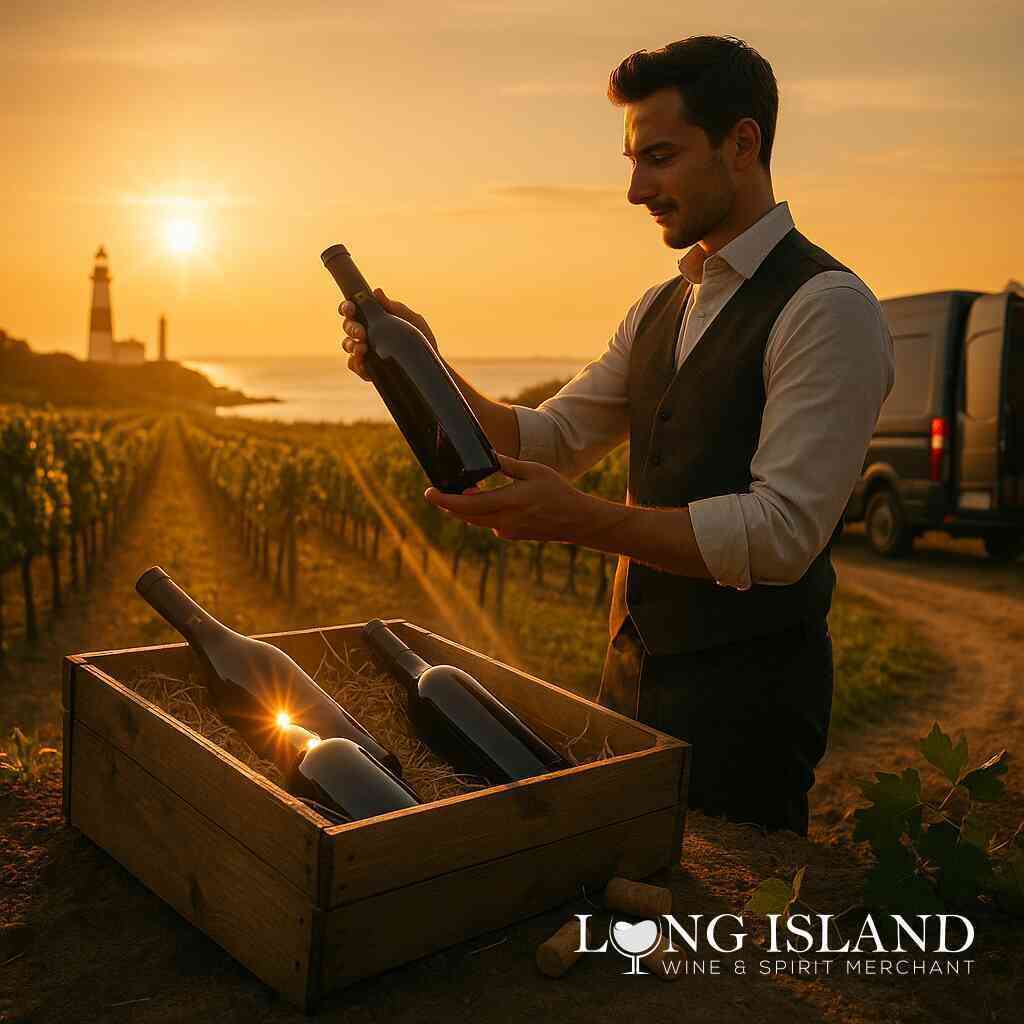
Long Island’s wine country has matured rapidly. Sandy soils, ocean breezes, and a cool climate now produce Cabernet Franc as confidently as Chardonnay. Liquor Store Open set out to translate that sense of place into an online environment. Instead of forcing shoppers to scroll past thousands of random bottles, the Commack-based team curates a compact list that mirrors a sommelier’s short-handed notebook. Every label earns its spot through origin, sustainability, and relevance to modern drinking habits.
Experience First, Inventory Second
Most e-commerce sites lead with volume: more pages, more filters, more decision fatigue. Liquor Store Open reverses the order. Buyers begin with a scenario—weeknight takeout, beach picnic, backyard pizza party—then hunt for wines that feel tailor-made for it. The result is a catalogue that reads like a set of ready-to-pour experiences rather than a warehouse manifest.
Key filters the team uses internally:
- Terroir Story: Can the winemaker clearly link flavor to vineyard climate or soil?
- Sustainability Marker: Organic, biodynamic, or regenerative certification scores extra points.
- Small-Lot Appeal: Fewer than 3,000 cases worldwide keeps the release exciting.
- Food Versatility: At least two common at-home dishes must pair well with the wine.
If a bottle clears those hurdles, it advances to the tasting table where staff assess balance, structure, and stylistic integrity. Only then does it reach the web shelf.
Terroir Translated for Mobile Screens
Tasting room chatter rarely fits inside a phone display, so each product page receives a distilled profile:
- 30-word Origin Snapshot covering vineyard location and vintage weather.
- Three Bullet Tasting Notes that mention familiar ingredients (e.g., "black cherry, rosemary, graphite").
- One Food Match that most households cook at least once a month.
- Service Tip such as preferred glass shape or decanting time.
These micro-stories convey the romance of a coastal vineyard without requiring the reader to be a certified sommelier. Shoppers choosing a Chardonnay at 10 p.m. on a Tuesday can understand exactly why it will shine with tomorrow’s roast chicken.
Partnering With Micro-Producers
Large distributors dominate retail shelves, yet many of Long Island’s most interesting wines come from plots under 20 acres. Liquor Store Open maintains handshake agreements with these estates, giving the shop access to experiment-batch rosé, amphora-aged Merlot, and single-clone Sauvignon Blanc. Because allocations are tiny, each release shows up online as a timed drop. Subscribers to the store’s email alerts receive a brief heads-up, creating just enough anticipation without turning wine into a status symbol.
Benefits of the Micro-Lot Approach
- Freshness – Faster sell-through means bottles spend less time in transit or storage.
- Education – Limited quantities encourage deeper storytelling, which educates the buyer.
- Community – Customers swapping tasting notes online form a niche community around each cuvée.
Beyond the Bottle: Personalization Options
Wine often doubles as a gift, so the store extends curation into packaging. Shoppers can add engraving, choose a keepsake wood box, or build a three-bottle flight that tells a regional narrative—North Fork Cabernet Franc, Hamptons Chardonnay, and South Shore sparkling, for example. Each customization is handled in-house at Commack, keeping quality control close to the retail team that selected the wine.
Why Personalization Matters in 2025
- Experience Commerce: Consumers favor items that feel tailored over one-size-fits-all.
- Reduced Waste: When the package doubles as a keepsake, it avoids landfill‐bound disposable gift wrap.
- Story Retention: An engraved message links the wine to a memory, making the experience more memorable than a generic bottle.
Logistics That Respect the Juice
Great wine is fragile. Heat spikes or freezing temps can ruin months of vineyard labor. Liquor Store Open protects every shipment with insulated liners and cold packs when required. Orders route through climate-controlled hubs, and real-time tracking notes potential weather delays before they happen. Customers receive status texts, so they can intercept a delivery rather than let an expensive Cabernet bake in the sun.
Bullet points that define the shipping protocol:
- Climate-controlled storage in Commack until courier pick-up.
- Predictive weather routing for summer and winter extremes.
- Adult-signature confirmation to keep alcohol out of unintended hands.
Tech Meets Hospitality
The storefront’s code base integrates inventory management, customer preferences, and educational content. If a buyer shows interest in Grüner Veltliner, the system suggests similar high-acid whites—even those outside Austria. Machine learning handles the suggestion engine, but final approval still rests with a human staff member who double-checks pairings for sense and style.
The human layer matters. It prevents the awkward algorithmic misfires that often plague large e-commerce sites (no more recommending fortified dessert wine to a shopper browsing zero-sugar vodka). In short, technology scales hospitality rather than replacing it.
A Quick Start Guide for First-Time Shoppers
- Filter by Occasion: Select a context—casual dinner, celebration, or cellar collection.
- Read the 30-Word Origin: Decide if the wine’s backstory resonates.
- Check Pairing Note: Confirm compatibility with the meal you have in mind.
- Consider Personalization: Engraving or gift boxing takes two extra clicks.
- Track Delivery: Opt into SMS updates for peace of mind.
Looking Ahead
As Long Island viticulture evolves, so will Liquor Store Open’s curation standards. Expect more zero-intervention wines, lighter glass bottles to reduce shipping emissions, and virtual tasting rooms that let producers chat live with customers from the vineyard. Yet one element will stay fixed: every bottle must justify its place by adding meaningful flavor and story to everyday life.
Key Takeaways
- Curation begins with how the wine fits into real-world occasions, not how it fills shelf space.
- Small-lot partnerships keep the catalogue fresh and educational.
- Personalization features extend the story beyond taste into memory.
- Rigorous logistics protect wine quality from Commack to any doorstep.
In a crowded market, Liquor Store Open shows that an online liquor shop can still feel personal, local, and trustworthy—one well-chosen bottle at a time.
What Defines Liquor Store Open's Wine Experience Offerings


Comments
Post a Comment