Future Spirits Trends: How Liquor Store Open Leads 2025
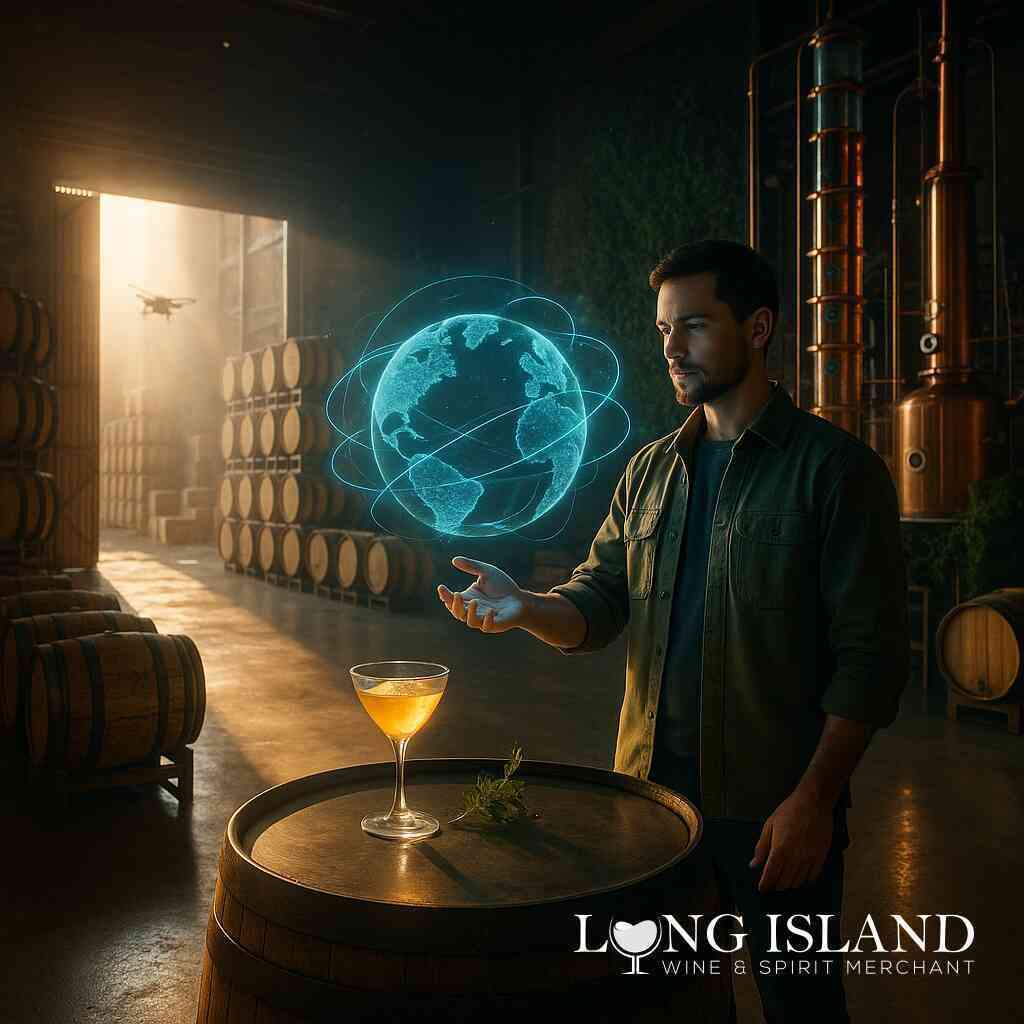
Why Digital Cellars Matter in 2025
Opening a browser now feels a lot like pushing open the door of a well-stocked neighborhood package store—if that store also carried thousands of bottles you could never squeeze into a single building. Liquor Store Open has turned this idea into a nationwide reality, blending small-town hospitality from its Commack roots with the reach of modern logistics. This overview explores how the platform works and what its data reveal about the next wave of spirits trends shaping cocktail culture.
From Long Island Counter to Coast-to-Coast Concierge
Commack locals still pop in for a personal recommendation, yet the same service arrives on doorsteps in mountain cabins, desert towns, and downtown high-rises. That reach comes from three intertwined practices:
- Data-driven carrier selection – Real-time monitoring of weather patterns, holiday congestion, and regional compliance keeps fragile Cognac and craft beers safe in transit.
- Protective, temperature-conscious packaging – Shock-absorbing inserts and insulation reduce breakage without adding excessive weight.
- Inventory curation by specialists – Sommeliers, mixologists, and category buyers taste everything blind before any item goes live. The result is a digital shelf that feels edited rather than bloated.
Because shipping and curation reinforce each other, the company scales nationally without losing the boutique personality that first earned local loyalty.
Removing the Old Gatekeepers to Fine Spirits
Traditional store aisles face two limits: square footage and regional distribution contracts. Online shelves erase both, letting curious shoppers filter by grape variety, cask finish, or even cocktail application. A few immediate benefits surface:
- Rare Armagnac, Alpine génépy, and small-batch Colombian rum stand side by side with mainstream staples.
- Flavor maps and production notes appear on every product page, reducing the intimidation factor for newcomers.
- A short preference quiz converts taste descriptors—"citrus-leaning", "herbal", "low sweetness"—into concrete bottle suggestions.
Instead of walking a maze of glass cases, customers receive a focused path toward something they are likely to enjoy the first time they pour.
Four Macro Trends Driving 2025 Purchases
Drawing on sales data, supplier interviews, and bartender feedback, Liquor Store Open tracks patterns early. Below are four themes already influencing stock decisions for the coming year.
1. Sustainable Distilling Goes Mainstream
Consumers increasingly ask how their favorite whiskey or gin is made, not just how it tastes. Practices gaining momentum include:
- Closed-loop cooling systems that cut water waste
- Solar or biomass energy for still heating
- Ingredient sourcing within 100 miles of the distillery
Producers able to quantify their carbon savings see faster sell-through rates, suggesting environmental transparency now closes the sale.
2. Low-ABV and No-ABV Options with Flavor Integrity
Sessionable cocktails—serves that hover around 5–10 percent alcohol—continue to grow. Expect more:
- Vermouths balanced for spritzes, not only martinis
- Botanical aperitivos using gentian, rhubarb, or hibiscus instead of sugar syrup for body
- Distillery-made sodas designed specifically as mixers
These bottles meet the desire for longer social occasions without sacrificing nuanced taste.
3. Heritage Rum Revival
Rum is shedding its blanket reputation for sweetness. Producers in Barbados, Martinique, and Jamaica now highlight historical fermentation techniques, pot-still runs, and estate-grown cane. Shoppers will see:
- Age statements returned to labels after years of disappearance
- Vintage-dated releases similar to single-harvest Cognac
- Transparent disclosures of any added sugar or coloring
Cocktail bars respond by reviving classic punches and daiquiris that let raw cane character shine.
4. Experimental Cask Finishes Across Categories
If it can hold liquid, someone is aging spirits in it. Mezcals finished in Sauternes barrels, bourbons resting in maple-syrup seasoned staves, and gins spending short stints in oloroso sherry casks are now common special releases. The appeal is two-fold:
- Collectors gain limited-edition talking points.
- Bartenders acquire layered flavors without overhauling recipes.
Expect the mix to expand into coffee, tea, and even miso casks as distillers chase new frontiers.
How Predictive Mixology Shapes Stock Decisions
Beyond trend watching, Liquor Store Open feeds anonymized purchase data into machine-learning models. These models look for spikes—say, a 40 percent week-over-week jump in biodynamic vermouth orders—then flag buyers to secure more supply before back orders develop. This forecasting benefits consumers in two ways:
- Consistency – Bars and home enthusiasts can depend on continued availability of their newly discovered bottle.
- Fair allocation – Limited releases get distributed based on demonstrated interest rather than speed alone, reducing the frenzy that often drives secondary-market markups.
Practical Tips for the Curious Drinker
Reading about trends is one thing; pouring them is another. A few guidelines help narrow your next cart:
- Start with half-bottle formats when exploring unusual cask finishes. Flavor differences remain clear, yet commitment stays low.
- Pair sustainability with style. If climate impact ranks high for you, cross-check labels for distilleries using renewable energy or recycled glass.
- Balance your bar by proof. Keep at least one low-ABV aperitif and one full-strength base spirit in each major category. It widens hosting options without ballooning budget.
- Swap within classic recipes. Replace the rum in a daiquiri with an agricole style or sub a barrel-aged gin into a negroni to experience trend flavors with familiar ratios.
Looking Ahead
As 2025 progresses, online spirits retail will likely feel even more personalized. Artificial intelligence may soon tailor entire shipment dates to local climate trends or suggest automated cocktail kits tied to streaming-platform premieres. Whatever the innovations, the core mission holds steady: blend the warmth of a local shop with the limitless exploration of the internet. Liquor Store Open shows that when technology meets genuine beverage expertise, everyone—novice sipper, veteran collector, or busy party planner—gets to raise a glass filled with exactly what they hoped to find.
Defining Future Spirits Trends with Liquor Store Open


Comments
Post a Comment