Fall 2025 Guide to Picking the Perfect Long Island Rosé
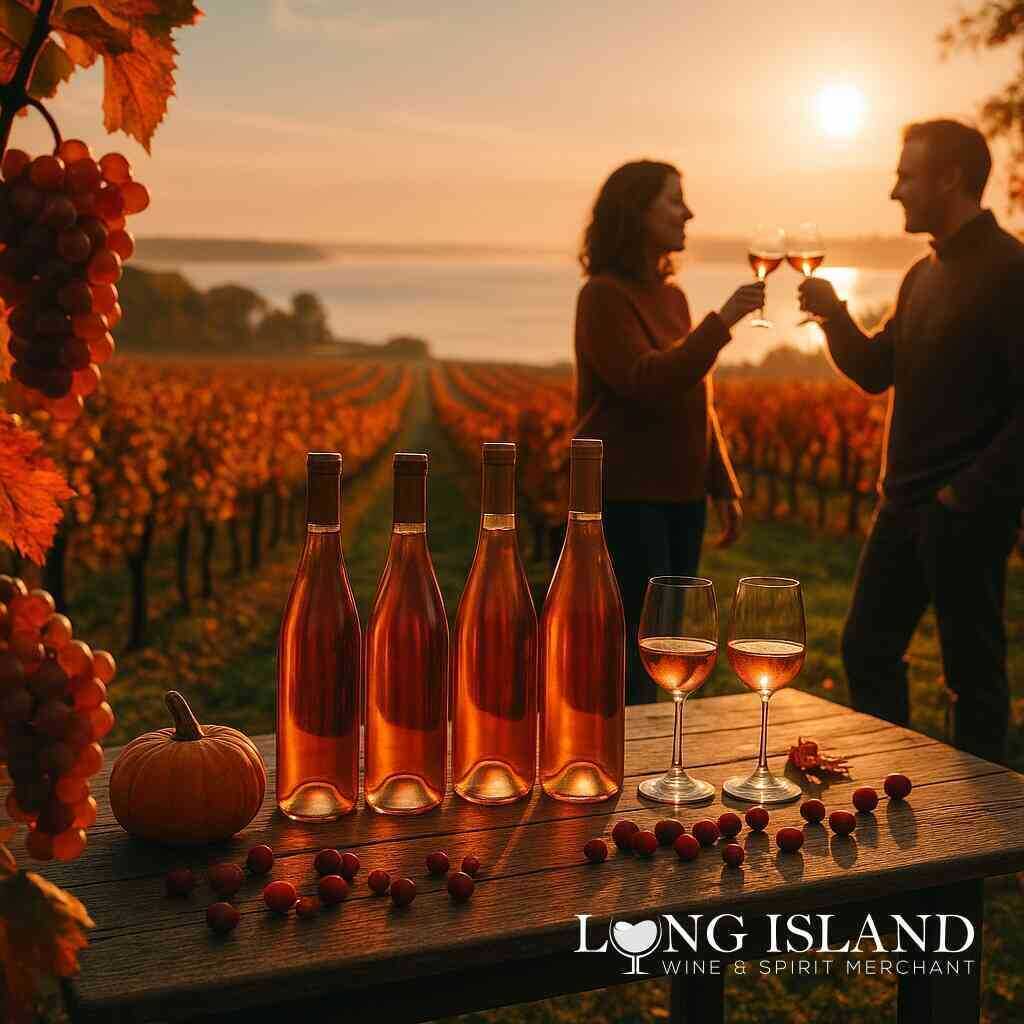
Welcome to Sweater-Weather Rosé
Long Island rosé is no longer just a beach‐day refresher. As evenings cool and menus turn heartier, local wineries release deeper-colored bottles that echo the orange and copper tones of October vines. This guide breaks down why fall demands a different style of rosé and how to choose the right bottle for every sweater-weather moment.
Why Autumn Rosé Differs From Summer Pink
- Longer skin contact. Winemakers allow red grape skins to sit with the juice a bit longer in September, creating a richer hue and subtle tannin grip that stands up to roast vegetables and poultry.
- Cooler nights, higher acidity. Lower nighttime temperatures on the North Fork and in the Hamptons lock in brisk acidity, so the wines stay lively beside creamy dishes.
- Shift in aromatics. Expect cranberry, rosehip, dried orange peel, and baking spice rather than the watermelon and bubble-gum notes typical in July bottlings.
Color as a Quick Clue
Deeper copper or pale salmon often signals mid-season picking and more texture. Very pale pink still exists in fall, but those wines tend to be leaner and best with shellfish. When in doubt, match the depth of color to the weight of your meal.
A Tale of Two Shores: North Fork vs. Hamptons
| Coast | Key Soil & Climate | What You Taste |
|---|---|---|
| North Fork | Gravelly loam, cool maritime breeze | Brisk acidity, red-berry snap, hint of sea spray |
| Hamptons | Sandy, fast-draining soils, warmer afternoons | Riper stone fruit, gentle florals, soft texture |
Blending wines from both areas can deliver a rosé that starts bright and finishes plush, perfect for a mixed plate of turkey, sage stuffing, and roasted squash.
Reading the Label: Grapes to Watch
- Cabernet Franc – Peppery, cranberry-driven; great with herb-roasted chicken.
- Merlot – Adds roundness and a whisper of plum; pairs with pork loin.
- Malbec – Deeper color and subtle cocoa; try with smoked gouda.
- Pinot Noir – Elegant, red-cherry lift; excellent alongside mushroom risotto.
Vintage Matters
Harvest conditions change quickly on the Island. A warm, dry September delivers a fruit-forward rosé, while a cooler, windy end to the season boosts acidity and savory notes. In 2025, moderate rainfall and breezy afternoons produced balanced wines with generous aromatics and lively structure.
Step-By-Step Selection Method
- Assess your menu. Light salads call for a brisk, barely-pink style; hearty stews need a copper-toned, fuller wine.
- Check the alcohol level. 11–12.5 % keeps the finish crisp. Anything above 13 % will feel broader and works better with richer fare.
- Consider sweetness. Most Long Island rosé is technically dry, yet fruit intensity can give a hint of perceived sweetness. For spicy chili or barbecue, a touch of residual sugar can soothe the palate.
- Smell before you chill. Swirl the bottle’s neck or pour a splash in the glass. Cranberry and orange zest suggest high acidity; peach and melon point to a softer profile.
Quick Pairing Matrix
- Cranberry-driven rosé → turkey, sage stuffing, Brussels sprouts.
- Peach-and-floral rosé → butternut squash soup, pork chops.
- Spiced-berry rosé → barbecue ribs, sweet-potato fries.
- Mineral, saline rosé → clams, oysters, goat-cheese salad.
Serving Tips for Cooler Weather
- Temperature: Chill to about 50 °F, slightly warmer than summer service. Too cold will mute the spice notes.
- Glassware: A white-wine glass with a modest bowl focuses aromas; avoid narrow flutes that trap the autumn bouquet.
- Storage: Rosé is still best young. Buy for the season and enjoy by next spring to preserve freshness.
Building a Fall Rosé Flight
Creating a small lineup lets you explore stylistic nuance in one sitting:
- Start light – A pale Provençal-style Long Island rosé made from Pinot Noir to awaken the palate.
- Move to medium – A Cabernet Franc–forward bottle showing cranberry and white pepper.
- Finish rich – A Merlot-Malbec blend with copper color and notes of blood orange and clove.
Tasting side-by-side highlights how grape variety, skin contact, and sub-regional climate each shape the glass.
Frequently Asked Questions
Is darker rosé always sweeter?
No. Color comes mostly from skin contact, not sugar. Many copper-hued wines remain bone dry.
Can I age fall rosé?
A select few structured examples can rest for 1–2 years, developing savory accents. Most, however, shine brightest within twelve months.
What if I only like sweet wine?
Look for labels noting “off-dry” or aim for rosés with lower acidity and ripe stone-fruit aromas. A touch of sweetness can be comforting with spicy autumn dishes.
Final Thoughts
Long Island’s maritime climate gives winemakers a wide palette, from zingy cranberry puckers to plush peach finishes. By paying attention to color depth, grape variety, and shoreline origin, you can match any October or November menu with a bottle that feels tailor-made for the moment. Experiment, taste often, and let the changing leaves guide the shade in your glass.
https://www.longislandwinespirits.com/how-to-master-fall-rose-selection-with-long-island-wine/


Comments
Post a Comment