Exploring Wine Varieties at Long Island Wine Merchant
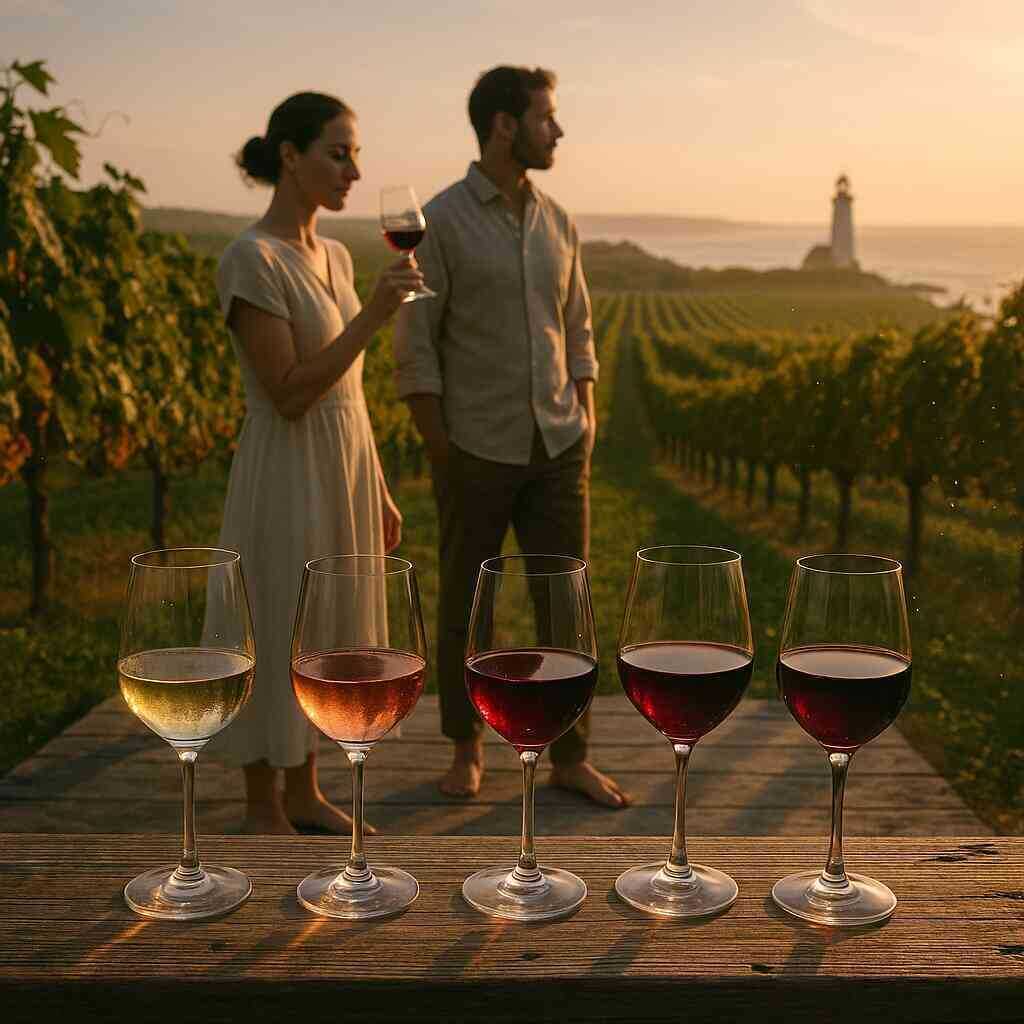
From Vine to Glass: Making Sense of Wine Styles
Walking into a well-stocked wine shop can feel both exciting and overwhelming. Shelves showcase sparkling bottles from Argentina, France, and the North Fork of Long Island—each promising a different sensory story. This guide looks at how varietal, origin, and cellar technique shape those stories and how the Long Island Wine and Spirit Merchant in Commack helps translate them into confident choices.
Why Variety Belongs in Every Cellar
- Pairing Flexibility – Sweet reds tame spicy food, while crisp whites cut through rich sauces.
- Seasonal Pleasure – Lighter rosé for August sunsets; sturdy Cabernet for December stews.
- Learning Curve – Sampling multiple styles trains your palate faster than staying with one favorite.
- Entertaining Ease – A diverse rack means you can satisfy many guests without last-minute runs.
Variety is not clutter; it is a toolbox for flavor management.
Terroir: The Quiet Sculptor
The French word terroir refers to the soil, climate, and topography that whisper character into grapes. Cabernet Sauvignon rooted in Long Island’s gravelly loam develops moderated tannins compared with the firmer, dustier grip found in Napa’s volcanic benches. Even within a single region, a cooler south-facing block can yield brighter acidity than a warmer north-facing one. When buyers recognize these micro-differences, they can fine-tune food matches and aging plans.
Practical Tip
Keep a simple notebook or notes app. Record the vineyard area, vintage, and tasting impressions. Over time patterns jump off the page—helping you predict whether a new bottle suits your preferences.
Winemaking Choices and How They Taste
| Technique | Typical Result in the Glass |
|---|---|
| Stainless-steel fermentation | Pure fruit, higher perceived acidity |
| Oak barrel aging | Vanilla, toast, softer texture |
| Malolactic conversion | Creamy mouthfeel, lower sharpness |
| Lees stirring | Bread-dough aromatics, richer body |
Recognizing these keywords on a back label saves guesswork. For instance, “unoaked Chardonnay” almost guarantees green apple brightness, perfect for shellfish. “Barrel-aged Chardonnay” moves into pie-crust territory, meeting roast chicken halfway.
Mapping Sweet Reds to Dry Whites
Sweet Red Highlights
- Lambrusco – Light fizz, blackberry jam notes, moderate alcohol.
- Ruby Cabernet – Juicy black cherry, lower tannin, gentle sweetness.
- Fortified Port-Style Wines – Higher alcohol, raisin and cocoa depth, ideal with blue cheese.
Sweet reds succeed when residual sugar balances acidity. Serve slightly chilled (about 55 °F) to prevent them from feeling cloying.
Dry White Essentials
- Sauvignon Blanc – Lime zest, green herbs, racy finish. Pairs with goat cheese and oysters.
- Unoaked Chardonnay – Pear and apple, medium body, clean minerality.
- Albariño – Saline edge, stone fruit core, naturally high acid for fried seafood.
Chilling whites to 45 °F highlights brightness, but let the glass warm a few minutes so aromas expand.
The Long Island Wine and Spirit Merchant Advantage
The Commack store doubles as an education lounge. Bottles are arranged not only by region but also by style tags such as crisp white, lush red, or aromatic sweet. Staff members taste weekly with local producers, so they speak from firsthand experience rather than rote descriptions.
Key services that nurture exploration:
- Taste Quiz – A brief set of flavor questions that points newcomers toward starter flights.
- Custom Mixed Cases – Combine twelve different bottles and receive a case discount; ideal for building a broad cellar quickly.
- In-Store and Virtual Tastings – Side-by-side comparisons clarify why a stainless-steel Riesling feels sharper than an oak-kissed one.
- Nationwide Shipping – Friends outside New York can join the journey despite distance.
Setting a Guided Tasting Path
- Start Sweet to Dry – The palate perceives sweetness first. Beginning with dry wines can make later sweet samples feel syrupy.
- Move Light to Full-Bodied – A delicate Pinot Grigio will seem watery if tasted after a dense Syrah.
- Note Temperature – A wine five degrees warmer can present dramatically different aromatics.
- Add Simple Pairings – Salted almonds for whites, mild aged cheese for reds. Neutral foods widen perception without interference.
Sample Three-Flight Progression
- Flight One: Sweet Entry – Lambrusco, Ruby Cabernet, Fortified Port-Style.
- Flight Two: Crisp Whites – Sauvignon Blanc, Albariño, unoaked Chardonnay.
- Flight Three: Structured Reds – Cabernet Franc, Merlot, Bordeaux-style blend.
Spending fifteen minutes with each flight cultivates an intuitive sense of acidity, tannin, and body. Revisit favorites later alongside dinner to cement the lesson.
Building Confidence Over Time
Consistency matters more than quantity. Tasting one new bottle every week adds up to over fifty data points in a year. Combine that rhythm with brief reading on grape origins, and your wine vocabulary will expand naturally—no memorization required.
Visual cues also reinforce learning. Take smartphone photos of labels and jot quick descriptors: “apple skin, crisp, seafood winner.” The next time you see a similar label or region you’ll connect dots quickly.
Final Thoughts
Exploring wine varieties is less about chasing prestige and more about matching flavors to moments. By recognizing how terroir, grape biology, and cellar technique interact, shoppers turn a crowded shelf into a clear set of options. Long Island Wine and Spirit Merchant streamlines that process with thoughtful displays, personal guidance, and structured tastings.
Whether you gravitate toward dessert-like reds or razor-sharp whites, the journey from vine to glass becomes richer when guided by curiosity and a bit of systematic tasting. Stock your rack with intention, keep notes, and watch confidence rise with every cork pulled.
Unlocking the Differences in Wine Varieties at L.I. Merchant


Comments
Post a Comment