Exploring Unique Liquor Flavors and Hyperlocal Spirits
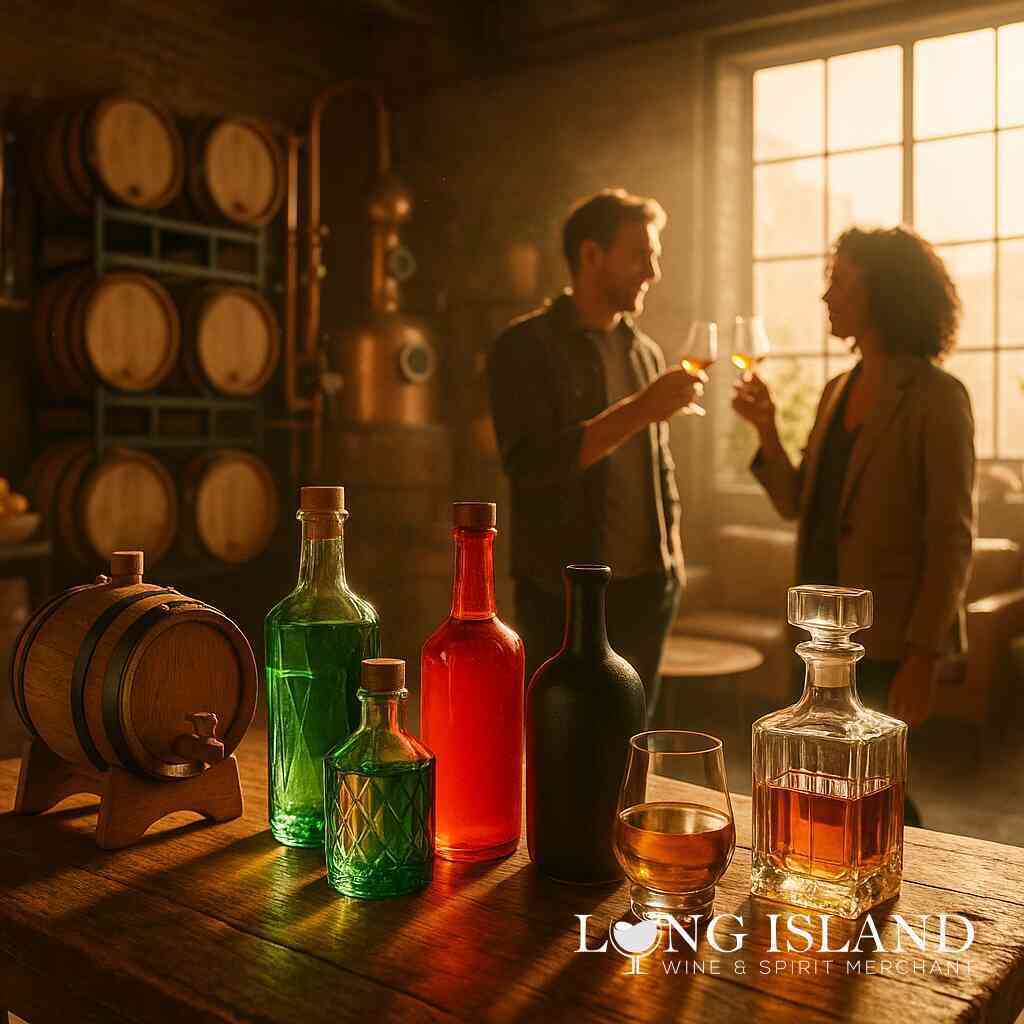
Why Unusual Bottles Are Thriving in 2025
Curious drinkers no longer choose between local pride and global reach. Technology, climate-controlled shipping, and transparent sourcing have made small-batch bottles from coastal hamlets as easy to find as multinational brands. The result is a landscape where sea-salt rum, ancho chile mezcal, and truffle-kissed white wine often share the same bar cart.
Key Drivers Behind the Boom
- Terroir storytelling – Consumers want spirits that taste like a specific place: spruce-tip vodka from Alaska or corn whiskey grown on volcanic soil in Hawaii.
- Sustainability demands – Carbon-neutral freight, recycled glass, and refill programs build trust and let artisans compete with large producers.
- Real-time inventories – Online platforms list a limited release within hours of bottling, turning regional drops into national events.
Flavor Families Worth Hunting
1. Barrel Experiments Beyond Bourbon
Classic bourbon is still king, yet distillers now rest corn mash in port, maple-syrup, or honey casks. Expect notes of toasted pecan, butterscotch, and subtle berry. When tasting, start with a standard bourbon to set a baseline, then move to the flavored finish to appreciate the added layers.
2. Smoke and Spice in Agave Spirits
Mezcal makers are roasting agave hearts with cinnamon sticks, cacao husks, or even pineapple skins. The smoke remains, but it carries dessert-like undertones that soften the heat. Sip neat at room temperature; chilled glassware can mute the aromatics.
3. Botanical Vodka and Gin Hybrids
Vodka has shaken its flavorless reputation by leaning into regional herbs—think sage, cedar, or beach rose petal. Some bottles blur the line with gin by adding a whisper of juniper. These work well in simple highballs where the spirit stays in the spotlight.
4. Dessert-Inspired Liqueurs for Grown-Up Palates
Sea-salt caramel rum cream, cinnamon-clove absinthe, and dark-chocolate tequila all walk the tightrope between sweet and spiritous. Use a one-ounce pour to finish a meal or drizzle over ice cream.
Building a Personalized Tasting Roadmap
Choosing among thousands of labels is daunting, so a structured approach helps.
Step 1: Map Your Palate
Consider three variables:
- Sweetness threshold – Do you add sugar to coffee? If yes, sweeter liqueurs and rum creams may suit you.
- Texture preference – Thick and creamy or light and crisp? Mouthfeel often matters more than flavor notes.
- Adventurousness – Rate your comfort with bitterness and smoke on a 1-10 scale. Higher numbers open doors to absinthe, peated whisky, or gentian amaro.
Step 2: Start with a Mini Flight
Create a trio that varies only one factor at a time:
- A classic bourbon, a maple-cask bourbon, and a port-cask bourbon reveal how wood finish changes sweetness.
- Or try a citrus vodka, a grapefruit gin, and a blood-orange limoncello to explore peel intensity.
Take small half-ounce pours, nosing each glass before sipping. Keep notes on aroma, first taste, finish, and emotional reaction—often the simplest way to remember favorites.
Step 3: Adjust Based on Food Pairings
Pair spicy mezcal with grilled shrimp tacos. Match honey-cask whiskey to aged cheddar. The right food can tame extremes and unlock subtle flavors.
Buying Strategies for Rare Bottles
Watch Release Calendars
Most craft distilleries now publish seasonal calendars. Spring might bring elderflower gin; late fall often sees maple-barrel rye. Setting calendar reminders prevents disappointment.
Use Real-Time Filters Wisely
When browsing an online retailer, filter by barrel finish, bottle size, and ABV rather than a broad category like “whiskey.” Limited runs can hide under generic labels.
Prioritize Temperature-Controlled Shipping
Fluctuating heat degrades delicate liqueurs faster than aged spirits. If a retailer offers insulated packaging or cold-pack service, it is worth the small premium.
Verify Return and Insurance Policies
Accidents happen. Ensure the store will replace or refund if a wax seal cracks or a cork leaks in transit.
Responsible Exploration Tips
- Glassware matters – Tulip-shaped glasses concentrate aroma for nuanced spirits, while rocks glasses suit richer creams.
- Hydrate and pace – An ounce of water between samples keeps your palate fresh.
- Document discoveries – A quick photo of the label and a two-sentence tasting note can save hours later.
Trend Forecast for the Coming Seasons
- Low-ABV botanical blends – Think gin-adjacent spirits bottled at 25–30% ABV for sessionable cocktails.
- Nordic aquavit resurgence – Dill, caraway, and rye create savory profiles ideal for seafood pairings.
- Cask-strength liqueurs – Higher proof coffee or cacao liqueurs arrive ice-cream-ready yet cocktail-friendly.
Final Thoughts
Exploring unique liquor flavors has never been easier or more rewarding. From barrel-aged innovations to foraged botanical vodkas, every bottle tells a story of place, process, and passion. With a bit of palate mapping, careful buying, and mindful tasting, your home bar can evolve into a miniature world tour—one extraordinary sip at a time.
Comprehensive Review of Unique Liquor Flavors Near You


Comments
Post a Comment