Craft Gin Excellence Delivered: Inside Commack’s Liquor Store
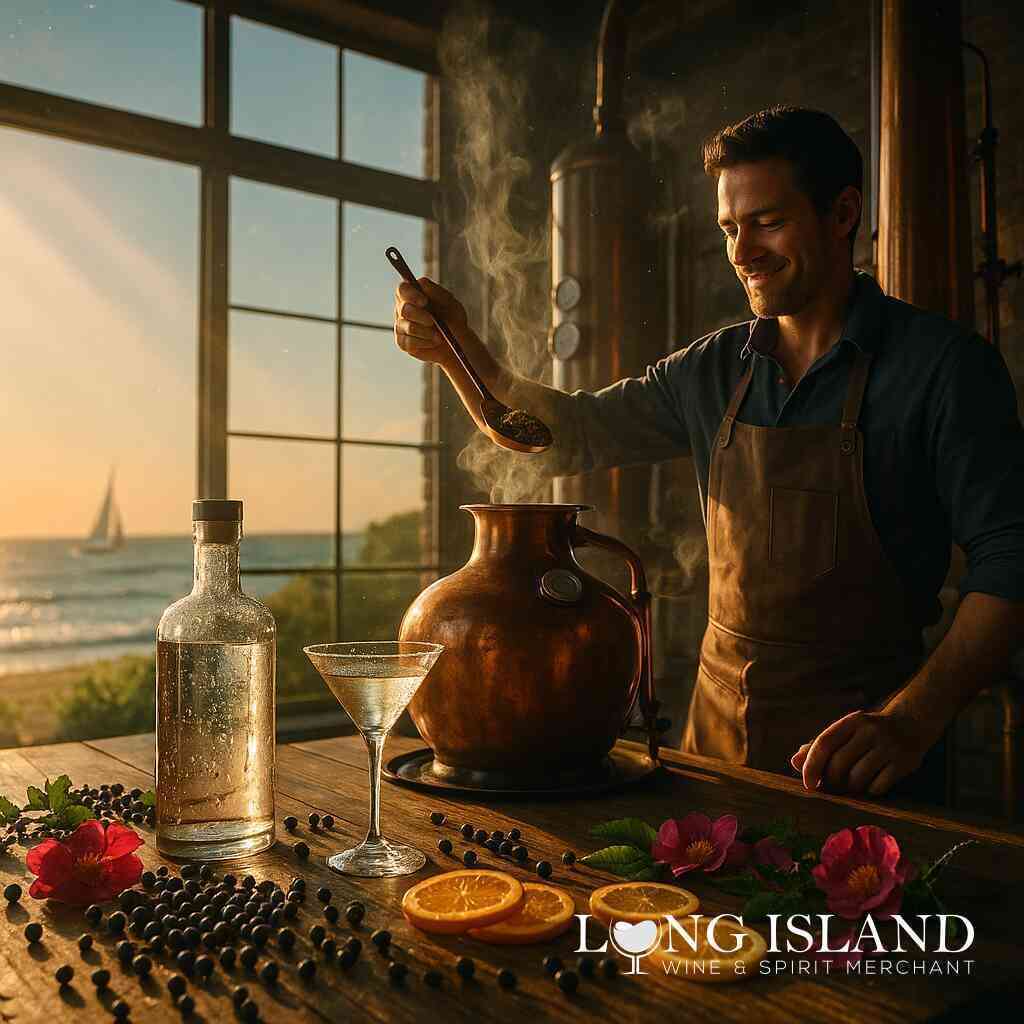
Discovering Craft Gin Excellence from Commack
Liquor Store Open in Commack has become a quiet authority on small-batch gin. This overview explains how the shop curates bottles, guides drinkers through flavor discovery, and ships fragile botanicals safely across the country. If you have wondered what separates an everyday London Dry from a collector-grade coastal gin, the next few minutes should clarify the difference.
Commack’s Modern Gin Movement
Long Island sits on a belt of sandy soil that favors juniper, beach plum, and wild rose. Local distillers harvest those ingredients and run them through copper stills in batches small enough to monitor by hand. The result is a gin style that nods to England yet keeps a salty Atlantic accent. Liquor Store Open keeps the best of those regional releases on its digital shelves, then rounds out the list with respected bottles from Oregon, Scotland, Japan, and Spain. That mix lets a shopper compare terroir in real time—one tasting flight might move from Commack to Catalonia in three glasses.
What ‘craft’ actually means here
- Batches rarely exceed a few hundred bottles.
- Maceration times and botanical ratios change seasonally based on produce quality.
- Proof is adjusted for flavor, not yield. Many expressions land between 90 and 97 proof, a sweet spot that holds dilution when stirred or shaken.
- No artificial color, glucose, or synthetic flavor is used.
Because the production runs are lean, the store’s buyers taste each lot before accepting a pallet. That includes lab sheets on congeners, pH, and methanol traces—quiet evidence that the team chases quality control, not hype.
Why Botanical Precision Matters
Gin begins with a neutral grain spirit. Everything beyond that neutral base comes from careful extraction of aromatics. Steep a citrus peel a few minutes too long and bitterness creeps in. Miss the moment when vapor meets elderflower and the nose collapses. Craftspeople on Long Island measure temperature changes in single-degree increments. They shut valves by ear, judging the hiss of condensing spirit. Those tiny decisions shape the final balance of piney juniper, bright lemon, or earthy angelica.
For the drinker, precision shows up as clarity in a cocktail. A true craft gin keeps its structure when paired with sharp tonic water or bitter vermouth. It does not vanish behind citrus; it stays composed all the way to the last melt of ice.
The Interactive Flavor Quiz
Many customers still feel intimidated by gin’s reputation for bold aromas. Liquor Store Open tackles that tension with a quick taste quiz:
- Choose preferred aromas: citrus zest, orchard blossom, forest floor, or pepper spice.
- Set a comfort level for alcohol warmth.
- Pick a cocktail style you make most often—tonic, martini, shaken sour, or slow sipper.
The algorithm gives three to five bottle suggestions that line up with those cues. Each suggestion comes with plain-language notes: Crisp, lemon-leaning, ideal for tall iced drinks or Rich cardamom finish, stands up in a Negroni. The quiz can be retaken as palates evolve. A novice often starts with lighter floral profiles, then moves toward barrel-aged or navy-strength editions once the core flavors make sense.
Bottle Sizes Decoded
Planning a rooftop party or a tasting night requires more than guessing how many ounces a group will consume. The store’s size guide breaks it down:
- 375 ml half bottle: around eight standard martinis. Handy for testing a new label.
- 750 ml standard: sixteen martinis or twelve double G&Ts.
- 1 L: enough for twenty highballs at moderate pour.
- 1.75 L handle: bar-economy option for large punch bowls or service industry prep.
Charts compare bottle cost against drink yield so budgets stay predictable. Readers also learn when larger formats affect aging; oxygen contact differs once a bottle sits half full, so serious collectors often rebottle leftovers into smaller glass to extend life.
Confident Shipping and Storage
Botanical spirits degrade with heat. Liquor Store Open therefore ships only in insulated pulp shippers with cold packs during summer routes. Each parcel carries an adult-signature tag to stop bottles from sitting on a porch. Tracking links update every transit point. For home storage, the team suggests four simple rules:
- Keep bottles upright to protect cork integrity.
- Store below 75 °F; a cool closet works better than a kitchen shelf above the stove.
- Limit light exposure—amber glass helps, but a closed cabinet is safer.
- Finish open gin within one year for maximum brightness.
Simple Mixing Ideas for 2025 Gatherings
Once a bottle arrives, even a modest home bar can showcase its character.
Classic Gin & Tonic, Commack Style
- Fill a Collins glass with one-inch ice cubes.
- Add 2 oz juniper-forward gin.
- Pour 4 oz chilled dry tonic. Avoid tonic syrup unless carbonated on site.
- Garnish with a thin strip of grapefruit peel and a sprig of beach rose if accessible.
Barrel-Aged Winter Martini
- Stir 2 oz oak-rested gin with 0.75 oz bianco vermouth and two dashes orange bitters.
- Strain into a chilled Nick & Nora glass.
- Express lemon oils over the top, discard peel.
Spring Herb Southside
- Shake 2 oz herbaceous gin with 1 oz fresh lime, 0.75 oz simple syrup, and six mint leaves.
- Double strain into a coupe. Add one basil leaf for aroma.
Each recipe respects botanical nuance; sugar and citrus are kept low so the core spirit stays present.
Key Takeaways
- Craft gin excellence hinges on small-batch control and fresh regional botanicals.
- An interactive quiz translates personal taste into reliable bottle matches.
- Understanding volume versus yield prevents either shortage or overspend.
- Temperature-controlled shipping preserves delicate flavors from Commack to any U.S. doorstep.
- A few well-chosen garnishes are all it takes to unlock complexity at home.
The rise of Long Island craft spirits shows how local agriculture and smart distribution can reshape a category once defined by British imports. Whether you prefer a bright cucumber note in a summer spritz or a pepper-laced sipper by the fireplace, the current 2025 selection at Liquor Store Open offers a direct line from still to glass—with no guesswork left in the middle.
Discovering Liquor Store Open's Craft Gin Excellence


Comments
Post a Comment