Essential Fall Wine Tips from Long Island Sommeliers
Welcome to Autumn in Your Glass
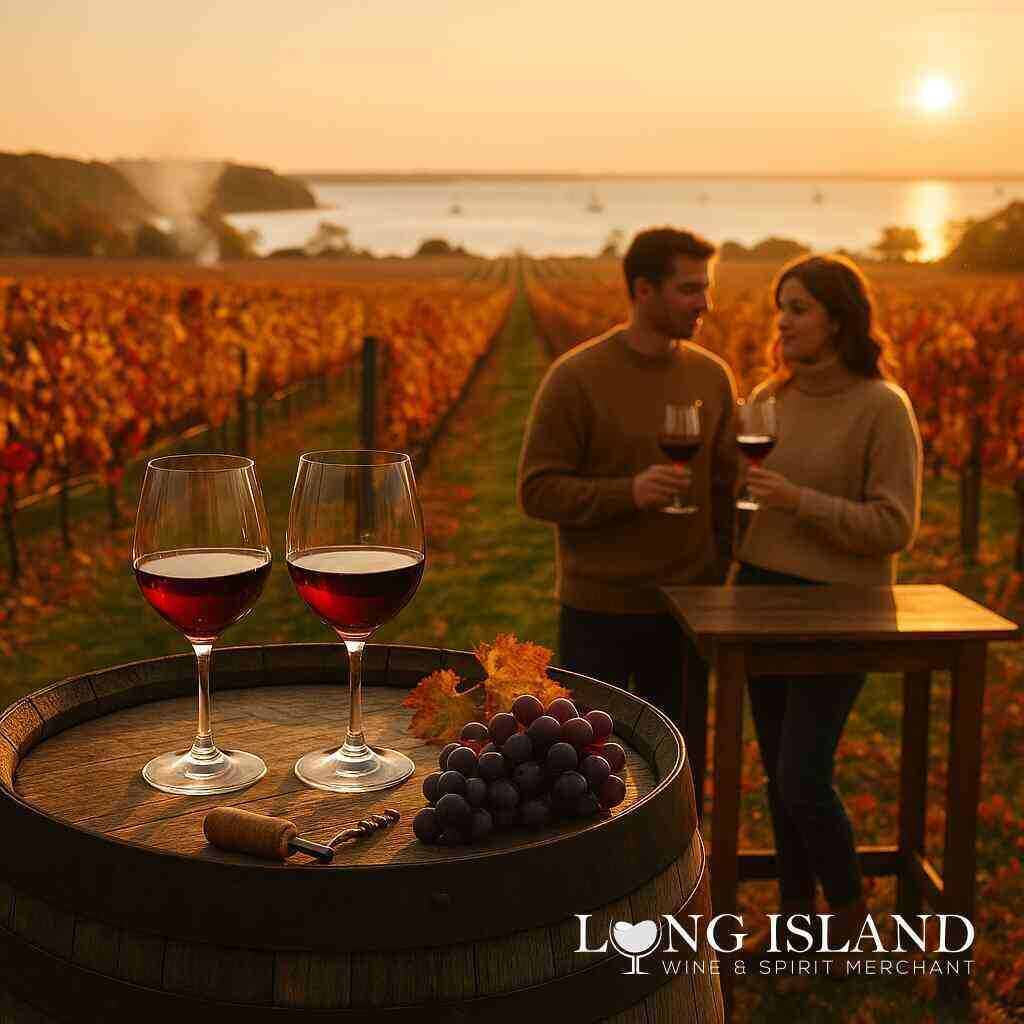
Cooler nights, shifting vineyard canopies, and the snap of sea air off Peconic Bay all announce one thing: fall has arrived on Long Island. Local winemakers adapt quickly, and so should the bottles waiting in your kitchen rack. This guide gathers practical, expert-driven advice—drawn from North Fork cellar masters, tasting-room managers, and sommeliers—to help you shop, store, and pour with confidence through Thanksgiving and beyond.
1. Know How the Harvest Alters Flavor
Long Island’s maritime climate keeps ripening slow and steady. When days shorten, two key changes occur:
- Grape skins thicken – Red varieties such as merlot and cabernet franc gain deeper color and firmer tannin, creating structure well suited to heartier dishes.
- Acidity concentrates – Whites like riesling or steel-fermented chardonnay keep a bright edge that lifts autumn produce and shellfish.
Takeaway: expect more spice, darker fruit, and mouth-watering lift. Choosing bottles harvested in the final weeks of September or early October usually captures that balance.
2. Rotate the Rack: What to Reach for First
| Fall Situation | Recommended Style | Why It Works |
|---|---|---|
| Leaf-peeping hike snack stop | Cabernet franc | Cranberry-tinged red fruit and a hint of pepper echo the season without overwhelming lighter fare. |
| Creamy pumpkin soup night | Oak-kissed chardonnay | Subtle vanilla meets roasted squash richness; moderate acidity keeps each spoonful fresh. |
| Oyster platter, even in a sweater | Unoaked chardonnay or sauvignon blanc | Briny minerality still needs a crisp partner; maritime whites remain a classic. |
| Fireside s’mores or mild blue cheese | Off-dry riesling | Residual sugar balances smoke or salt, while zippy acid cleanses the palate. |
| Post-apple-picking roast chicken | Merlot-dominant blend | Soft tannins and plum fruit mirror caramelized skin and herbs. |
3. Serve at the Right Temperature
Autumn brings wide indoor swings—warm kitchen, cool porch, blazing fireplace. Keeping wine in a consistent band between 55 °F and 60 °F protects aromas and texture. If a dedicated cellar is unrealistic, try these quick fixes:
- Insulated case: Line a cardboard 12-pack box with a folded blanket and place it in the darkest part of a closet.
- Low-budget wine fridge: Even an under-counter 18-bottle unit holds enough for rotating seasonal favorites.
- Short-term hack: For dinner tonight, chill reds for 15 minutes in the refrigerator, then allow 10 minutes at room temp before pouring; whites can come out of the fridge 15 minutes early to avoid palate-numbing cold.
4. Decanting: How Long Is Enough?
The thicker skins and fresher tannins of fall releases often need air, but not forever. Local sommeliers advise:
- Young merlot or cabernet franc (under 3 years) – 20–30 minutes.
- Barrel-fermented chardonnay or skin-contact white – A quick swirl in a wide glass is usually sufficient; avoid over-aerating to preserve fruit.
- Older library bottles – Handle gently; splashy pouring can strip fragile aromas.
A simple water pitcher works if no decanter is handy—just transfer back and forth once to start the oxygen exchange.
5. Pairing With Seasonal Foods
Long Island kitchens in October and November overflow with root vegetables, shellfish, orchard fruit, and game. Match intensity first, then contrast or echo secondary flavors:
- Butternut squash risotto + North Fork pinot noir – The wine’s tart cherry brightens the dish; earthy undertones complement nutty Parmesan.
- Seared scallops + steel-aged chardonnay – Lemon-curd notes bridge brininess and caramelized edges.
- Braised short ribs + fireside merlot – Plum and cocoa mirror slow-cooked richness; moderate tannin cuts fat without masking spice.
- Apple crumb tart + late-harvest gewürztraminer – Rose petal aromatics lift cinnamon while sweetness balances tangy fruit.
6. Choosing a Retail Partner Matters
Not every shop follows the local harvest calendar. A well-curated Long Island merchant typically provides:
- Small-lot, single-block bottlings you will not see in national chains.
- Staff who taste new releases weekly and can translate vineyard soil talk into clear serving advice.
- Seasonal tasting flights—drop-in events where you can compare, for example, three cabernet francs from different North Fork sites and decide which spice profile you prefer.
- Reasonable same-day delivery windows that maintain proper temperature, vital when warm afternoons flip to 40-degree nights.
Spending a few extra minutes discussing dinner plans often saves money by ensuring the right bottle the first time.
7. Record Tasting Impressions
A pocket notebook or phone app maintains a personal harvest timeline. Jot down:
- Date opened and serving temp
- Initial aromas, mid-palate flavors, finish length
- Food pairing and how well it worked
- Any change on day two
Reviewing notes each season builds a reliable internal compass, guiding smarter purchases next year.
8. Stretch the Season With Rosé
The “rosé is just for summer” myth is fading quickly. Many Long Island wineries craft fuller-bodied, partially barrel-aged pink wines that shine with Thanksgiving turkey, cranberry relish, or smoked salmon appetizers. Look for words like saignée, reserve, or 12%–13% alcohol to signal extra depth.
9. Experiment With Mulled Wine Kits
A chilly evening around a fire pit calls for warmth in the glass. Local shops often bundle spice packets—think cinnamon, clove, and dried orange peel—with medium-bodied red blends. Gently heat to about 140 °F (never boil), add a splash of apple brandy if desired, and serve in heatproof mugs. The aromatics alone are worth the effort.
10. Trust Your Palate
Expert tips provide a map, not a law. If an unoaked chardonnay sings with beef stew for you, pour with confidence. Long-term enjoyment comes from curiosity supported by solid fundamentals—proper storage, thoughtful serving temps, and awareness of seasonal vineyard shifts.
Quick Reference Checklist
- [ ] Stock merlot, cabernet franc, steel chardonnay, off-dry riesling.
- [ ] Maintain 55–60 °F storage.
- [ ] Decant young reds 20–30 minutes.
- [ ] Match wine intensity to autumn dishes.
- [ ] Keep notes for next year’s harvest.
With these strategies, every cool-weather gathering—from casual chili night to a full holiday feast—will capture the best of Long Island in the glass. Cheers to a flavorful fall.
What Are the Essential Fall Wine Tips from Long Island Experts?


Comments
Post a Comment