Cognac Excellence on Long Island: Expert Buying Guide
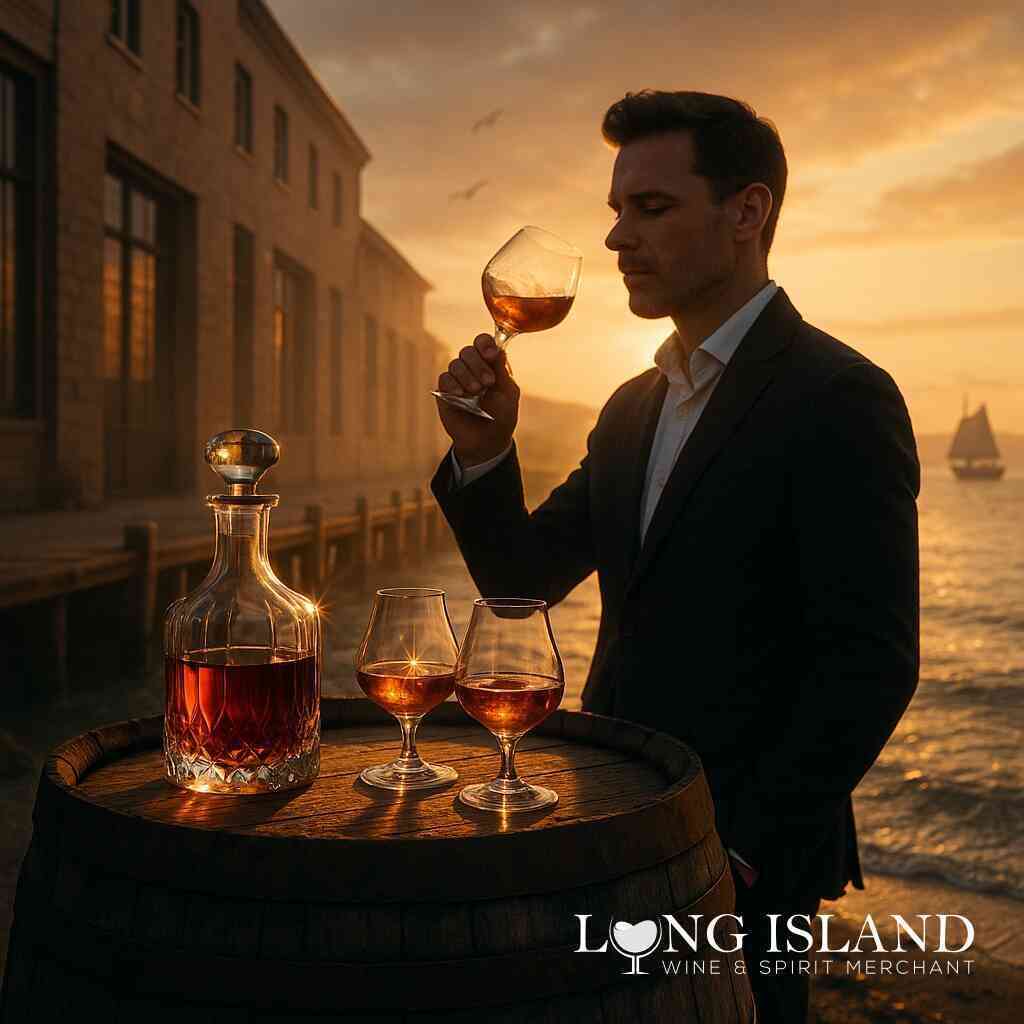
What "Cognac Excellence" Really Means
Cognac excellence is more than an upscale label. It describes a precise chain of quality controls that begins in the chalky vineyards of southwest France and ends in a crystal snifter on Long Island. This guide breaks down the factors Long Island Wine & Spirit Merchant uses to decide whether a bottle is merely good or truly elite.
1. Terroir at the Core
The Cognac region is divided into six crus.
• Grande Champagne and Petite Champagne produce the most delicate fruit.
• Borderies brings soft violet notes.
• Fins Bois, Bons Bois, and Bois Ordinaire offer richer, faster-aging eau-de-vie.
When a shop in Commack labels a bottle “excellence,” it has confirmed that the spirit’s stated cru identity matches its sensory profile—limestone lift from Grande Champagne, floral warmth from Borderies, and so on.
2. Exacting Distillation
Traditional charentais copper pot stills are the standard. Excellence requires:
• Slow double distillation, retaining only the heart cut.
• Removal of heads and tails that cloud aroma purity.
• Proof control that captures white-fruit brightness without harsh heat.
Store staff often review producer boil logs, still capacity, and batch sizes before accepting new allocations.
3. Cask Integrity and Age Declarations
Aging rules are legally defined, but excellence goes further:
| Label | Legal Minimum | Typical Flavor When Truly Excellent |
|---|---|---|
| VS | 2 years | Fresh grape, green pear, light spice |
| VSOP | 4 years | Honeyed apple, soft vanilla, almond |
| XO | 10 years | Dried apricot, rancio, sandalwood |
Long Island buyers also trace wood provenance. Limousin oak lends peppery depth; Tronçais oak offers tighter grain and subtle sweetness. Every barrel’s age, toasting level, and cellar humidity record helps predict how gracefully the spirit will mature.
4. Blind Sensory Panels
Before a new shipment hits the retail floor, the team stages blind tastings. Panelists grade on:
• Clarity of fruit core
• Balance between oak and spirit
• Texture and length of finish
• Absence of sulfur, excessive caramel, or raw alcohol heat
Only bottles scoring above the shop’s internal threshold make the “excellence” shelf.
5. Condition on Arrival
Even a perfect cognac can fail if it travels poorly. Staff members:
• Check fill levels to rule out temperature-related evaporation.
• Inspect cork elasticity and capsule seals.
• Log storage temperature and humidity throughout transit.
A compromised bottle is returned, not discounted. Protecting the producer’s intent is viewed as part of the excellence promise.
How to Choose the Right Tier
VS: Everyday Cocktails and Brisk Sippers
A quality VS shows crisp orchard fruit and a clean, dry finish. Use it in Sidecars or highballs where brightness is key.
VSOP: Versatile Crowd-Pleaser
Four to ten years in barrel adds honey, pastry, and gentle spice. A VSOP can anchor an after-dinner pour, elevate a Vieux Carré, or serve as an introduction for whiskey fans exploring brandy.
XO and Beyond: Contemplative Luxury
Ten-plus years of aging invite complex rancio, dried fig, leather, and cigar-box notes. Sip neat in a tulip glass, slightly warmed by the hand, and allow time for the spirit to open.
Tips for Building a Cognac Collection
- Taste across crus before committing to cases. Your palate may favor Borderies florals over Grande Champagne minerality.
- Alternate vintages and blends. Single-year bottlings show harvest character; multi-vintage blends highlight a cellar master’s style.
- Store upright at 60–65 °F and moderate humidity. Cognac loses freshness if the cork dries out.
- Keep a simple tasting log. Note color, aroma, palate, finish, and food pairings. Patterns will guide your next purchase.
Responsible Enjoyment at Home
• Use a tulip or small wine glass, not an oversized balloon. The narrower rim concentrates aroma.
• Pour one ounce at room temperature. Swirl gently to release esters.
• Add a single drop of water if high alcohol prickle masks nuance.
• Pair with aged Gouda, roasted nuts, or 70 % dark chocolate to emphasize fruit and oak sweetness.
Why Local Expertise Matters
Large e-commerce sites can ship almost any label, but they rarely inspect each bottle or advise on subtle style differences. A Long Island specialist offers:
• Same-day hand delivery that avoids heat spikes.
• Personalized engraving for milestone gifts.
• Access to private single-cask releases allocated in tiny numbers.
• Community tastings where you learn directly from visiting cellar masters.
Final Thoughts
Cognac excellence is the sum of its parts—soil, grape, distillation, wood, curation, and careful transit. When each link holds firm, the result is a spirit that tells a centuries-old French story while fitting perfectly into modern Long Island life. Whether you are stocking a bar cart, searching for a memorable gift, or simply exploring new flavors, letting those standards guide your choice ensures every pour is worth savoring.
What Does Cognac Excellence Mean at Long Island Alcohol Store


Comments
Post a Comment