Choosing the Right Cognac at Long Island Alcohol Store
A Practical Path to the Perfect Cognac
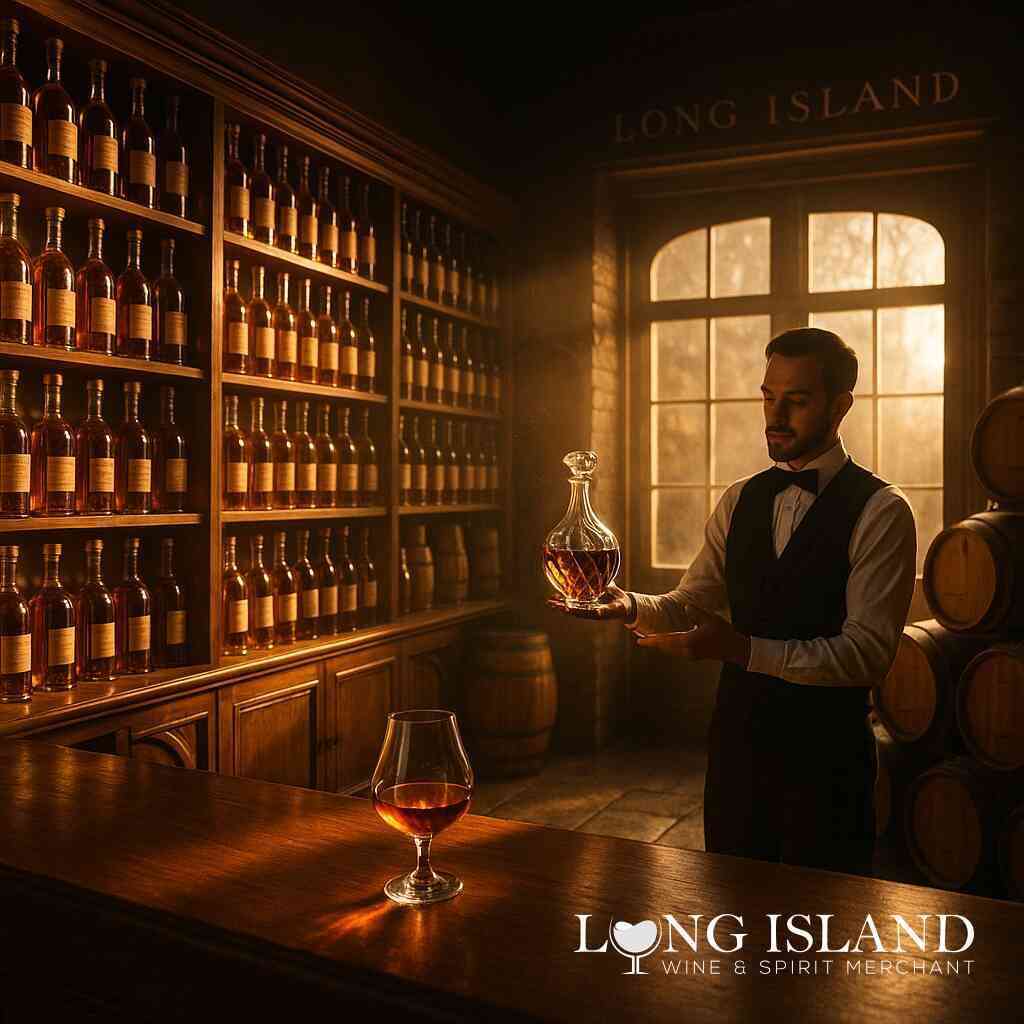
Long Island Alcohol Store in Commack serves enthusiasts who want more than a familiar label. Shelves reach from floor to ceiling, but every bottle arrives after a blind tasting by the in-house team. The result is a selection that feels curated rather than crowded. This guide walks through the key decisions that turn browsing into confident buying – whether the goal is a cocktail workhorse, a contemplative sipper, or a gift that looks as good as it tastes.
Cognac, Brandy, and What Makes Them Different
All cognac is brandy, yet not all brandy may call itself cognac. The difference rests on three cornerstones:
- Origin – Grapes must be grown and distilled in the Cognac region of western France.
- Distillation – Traditional copper pot stills double-distill the base wine, preserving floral and fruity aromas that column stills often mute.
- Ageing – Only French oak, typically Limousin or Tronçais, is allowed. Slow maturation draws out notes of vanilla, dried fruit, and the prized rancio character.
Trying a Spanish brandy de Jerez or an American craft grape brandy alongside cognac can sharpen your palate. Spanish versions lean toward fig and toffee, while many U.S. bottlings carry bold spice from new oak. Side-by-side tasting at the store bar makes the distinctions clear in a single sip.
Understanding the Age Statements
French law protects age designations, so they provide a reliable roadmap.
| Label | Minimum Age of Youngest Component | Typical Flavors |
|---|---|---|
| VS (Very Special) | 2 years | Green apple, pear, fresh grape skin – ideal for cocktails |
| VSOP (Very Superior Old Pale) | 4 years | Baked apple, vanilla, light cinnamon – balanced for sipping or mixing |
| XO (Extra Old) | 10 years | Dried fig, dark chocolate, long spice finish – best served neat |
| Hors d’Âge | Often 20–30+ years | Walnut, cigar box, leather – a slow after-dinner meditation |
Tip: If you love lively fruit and plan to shake Sidecars, start with VS. If you enjoy savoring spirits after a meal, budget for XO or older. Age does not always equal quality, but it does change style.
Terroir: The Six Crus in Brief
- Grande Champagne – Chalky soil yields piercing floral aromas and long finishes; bottles age gracefully.
- Petite Champagne – Similar earth but slightly more clay, bringing rounder stone-fruit notes.
- Borderies – The smallest cru shows violets, hazelnut, and fast approachability.
- Fins Bois – Sand and clay create soft, orchard-fruit forward spirits perfect for youthful blends.
- Bons Bois – Coastal influence adds a rustic, sometimes salty edge.
- Bois Ordinaire – Rarest in quality bottlings; maritime character dominates.
A flight that moves from Grande Champagne power through Borderies charm reveals how soil and microclimate shape aroma more than age alone.
Estate Bottlings and Barrel Proof Releases
Most large houses blend eaux-de-vie from several crus for consistency. Single-estate bottlings, however, capture one vineyard’s personality year after year. They often come in smaller allocations, so asking the staff to flag new arrivals can be worthwhile.
Barrel proof or cask strength cognac skips dilution, maintaining natural alcohol levels that may sit around 50–60% ABV. Expect amplified spice and texture. When tasting, add a few drops of water to open the nose before judging balance.
How to Evaluate a New Bottle in the Store
- Eye – Hold the glass over white paper. Youth shows pale straw; older spirits drift toward deep mahogany.
- Nose – Swirl gently, then sniff just below the rim. Look for layers: fruit first, then floral, then oak.
- Palate – Take a small sip, letting it coat the tongue. Note sweetness, alcohol warmth, and finish length.
- Finish – Count the seconds flavors persist. Long finishes often signal well-integrated ageing.
Staff can pour half-ounce samples of many labels. Try two back-to-back to pinpoint preference more quickly than reading tasting notes alone.
Pairing and Serving Pointers
- Serve neat cognac in a tulip-shaped glass at room temperature, not in an oversized snifter. The narrower rim concentrates aroma.
- For cocktails, keep bottles in a cool cabinet. Chill your mixing glass rather than the spirit.
- Classic pairings include blue cheese, roasted nuts, or dark chocolate. VSOP and XO styles handle dessert sweetness without turning cloying.
- If adding water, use room-temperature spring water. Cold water can lock in aroma.
Practical Buying Checklist
Before heading to the register, run through these questions:
- Is the bottle for mixing, sipping, or gifting?
- Do you prefer bright fruit or deeper spice?
- What is the ideal budget range? Quality exists from $40 to the stratosphere.
- Does origin (single cru vs. blend) matter to you?
- Will customization, such as on-site engraving, add personal value?
The answers narrow hundreds of options to a focused shortlist the staff can pour immediately.
Taking Advantage of Store Services
Long Island Alcohol Store ships to most states, a plus if you discover a limited release while traveling. Custom cases can match a holiday menu, while engraving transforms an XO into a memorable milestone gift. These extra touches ensure the experience extends beyond the first pour.
Exploring cognac can feel intimidating until the framework clicks. Once you grasp origin rules, age statements, and basic tasting technique, the wall of bottles becomes an open map. Long Island Alcohol Store provides both the compass and the territory. Walk in with curiosity, walk out with a bottle that speaks to your palate – and maybe a newfound favorite sipping ritual.
The Ultimate Guide to Cognac Selection at Long Island Alcohol Store


Comments
Post a Comment