Choosing Cognac Varieties on Long Island: Expert Guide
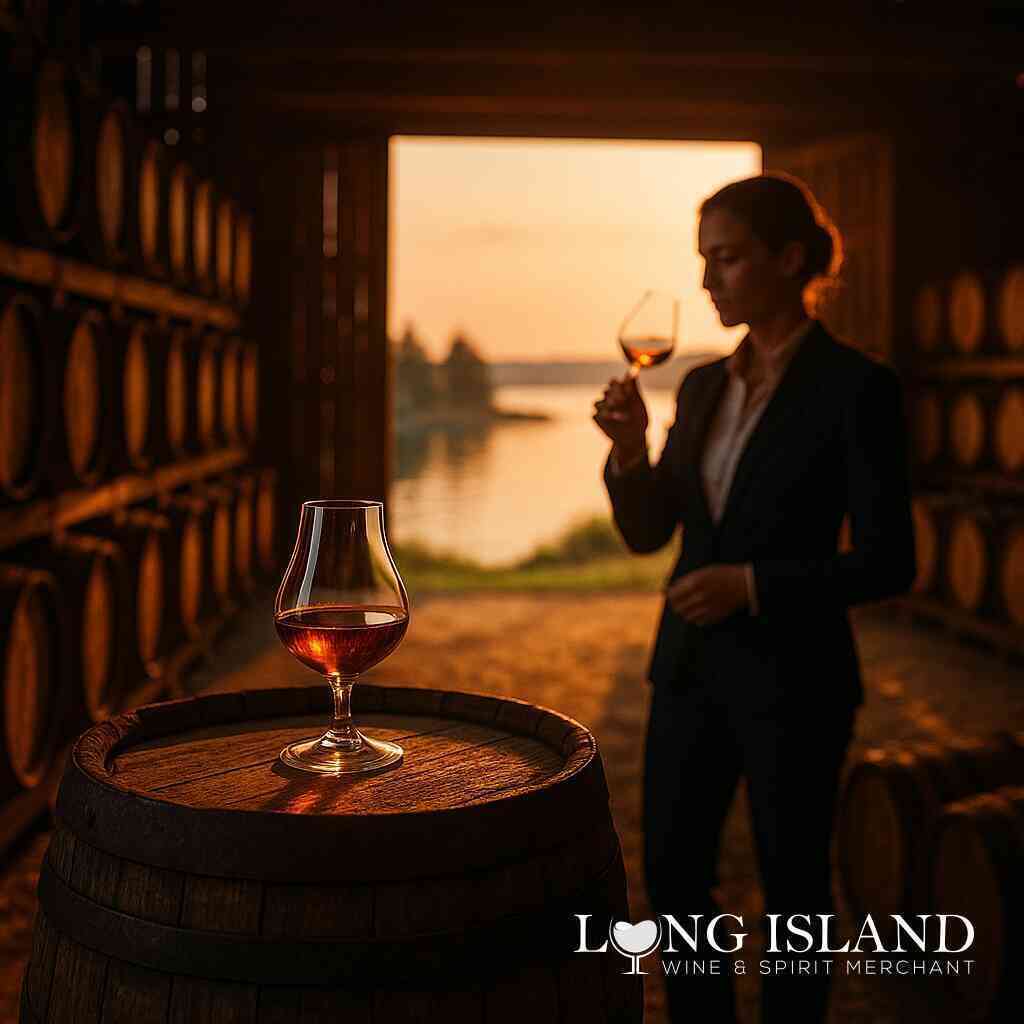
Understanding Cognac Styles on Long Island
Long Island enthusiasts now enjoy unprecedented access to Cognac thanks to reliable delivery services and detailed online catalogs. This guide explains the main Cognac classifications, how local terroir differences translate into flavor, and practical tips for storing and serving a bottle at its best.
The ABCs of Cognac Labeling
French regulations divide Cognac into a few easy-to-spot age statements:
- VS (Very Special): At least two years in oak. Expect bright fruit, vanilla, and a light body that mixes well in cocktails.
- VSOP (Very Superior Old Pale): Minimum four years, though many houses blend older eaux-de-vie. The result is rounder texture, toasted nuts, and dried‐fruit depth.
- XO (Extra Old): Currently ten years or older. These bottlings show layered spice, sandalwood, and the long finish collectors prize.
In practice, most producers exceed the legal minimums, but the initials give a trustworthy snapshot of intensity and complexity.
Why Long Island Shoppers Favor Online Ordering
Cognac is sensitive to temperature swings and light. Digital storefronts that pack bottles in insulated shippers solve two issues at once: convenience and product integrity. Browsing online also means you can compare producer notes, critic scores, and customer reviews side by side instead of deciphering a crowded retail shelf. Many platforms now offer same-day delivery across Nassau and Suffolk counties, so a last-minute dinner pairing is still possible without compromising storage conditions en route.
Key Advantages
- Real-time inventory prevents disappointment when a limited edition disappears.
- Temperature-controlled logistics keep volatile aromas safe from summer heat or winter chill.
- Mobile checkout and flexible delivery windows fit hectic Long Island work schedules.
- National shipping allows you to send an identical bottle to friends outside New York, building a virtual tasting group.
Terroir: Borderies vs. Grande Champagne
Two crus dominate conversation among seasoned Cognac drinkers:
Borderies
- Soil: Clay-silica that warms quickly after rainfall.
- Flavor Profile: Floral (violet), roasted hazelnut, early approachability.
- Ideal For: Weeknight sipping or pairing with lighter desserts; aromas open within minutes.
Grande Champagne
- Soil: Deep chalk that retains moisture, promoting higher acidity in the grapes.
- Flavor Profile: Citrus blossom, rancio, and an exceptionally long finish that evolves over decades.
- Ideal For: Collectors who value aging potential and layered complexity.
When tasted side by side, Borderies feels exuberant and fruit-driven, whereas Grande Champagne unfolds slowly but lingers twice as long. Choosing between them comes down to patience and intended occasion.
Serving Temperature and Glassware
A great Cognac can lose nuance if poured too warm. Aim for about 65 °F, slightly below typical room temperature. If the bottle rests in a wine fridge, allow ten minutes on the counter before pouring. Use a tulip-shaped glass rather than a balloon snifter; the narrower rim channels aromas toward the nose while moderating alcohol vapors.
Step-by-Step Service
- Pour one ounce and let it sit for thirty seconds.
- Gently swirl to coat the bowl; avoid aggressive shaking that can throw off balance.
- Warm the glass with your palm only after the first sniff—this gradual rise unlocks secondary notes without flattening freshness.
Matching Personal Taste to Cognac Styles
Modern retailers often employ flavor quizzes that ask about dessert preferences, spice tolerance, and even coffee habits. These inputs correlate surprisingly well with Cognac profiles:
- Milk-chocolate fans tend to enjoy fruit-forward VSOP bottlings aged in lightly toasted barrels.
- Espresso lovers and peated-whisky drinkers frequently gravitate toward cask-strength XO releases with deep walnut and leather tones.
While algorithms provide a starting point, human specialists still add value. A trained buyer might suggest aerating an XO in a small decanter for fifteen minutes or recommend a boutique micro-cuvée that seldom reaches big-box shelves.
Sustainability Trends to Watch in 2025
Climate pressure in Cognac’s vineyards is pushing producers toward greener practices:
- Cover crops between vine rows improve soil health and reduce chemical fertilizer use.
- Closed-loop cooling systems in pot stills reclaim water and lower energy needs.
- Lightweight glass bottles curb transport emissions, a benefit that resonates with environmentally minded Long Island consumers.
Several family-run estates now publish annual carbon reports, a transparency move likely to influence purchasing decisions this year and beyond.
Building a Home Cognac Flight
Creating a small tasting lineup is an efficient way to understand stylistic nuance without overspending. A balanced flight might include:
- Borderies VSOP – sets the floral, toasted-nut baseline.
- Grande Champagne XO – shows how extended aging adds spice and rancio.
- Organic Petite Champagne VS – offers a fresh, sustainable contrast.
Pour half-ounce servings, arrange from youngest to oldest, and keep water on hand to reset the palate. Even a short session like this clarifies personal preferences and informs future purchases.
Quick Troubleshooting Guide
- Overly Sharp Alcohol: Let the glass rest another five minutes; time softens the edges.
- Muted Nose: Temperature may be too low; cup the glass to add gentle warmth.
- Excessive Sweetness: Pair with a salty cheese such as aged Gouda to restore balance.
Final Thoughts
Long Island’s robust delivery network and knowledgeable online merchants make exploring Cognac easier than ever. Whether you favor the immediate charm of Borderies or the slow-burn depth of Grande Champagne, understanding labeling, terroir, and proper service turns a good pour into a memorable experience. Experiment with small flights, track tasting notes, and trust both data and human insight to guide future selections. Santé to discovering your ideal Cognac in 2025.
The Difference Between Cognac Varieties on Long Island


Comments
Post a Comment