Best Sparkling Wine Picks for a Sparkling Christmas 2025
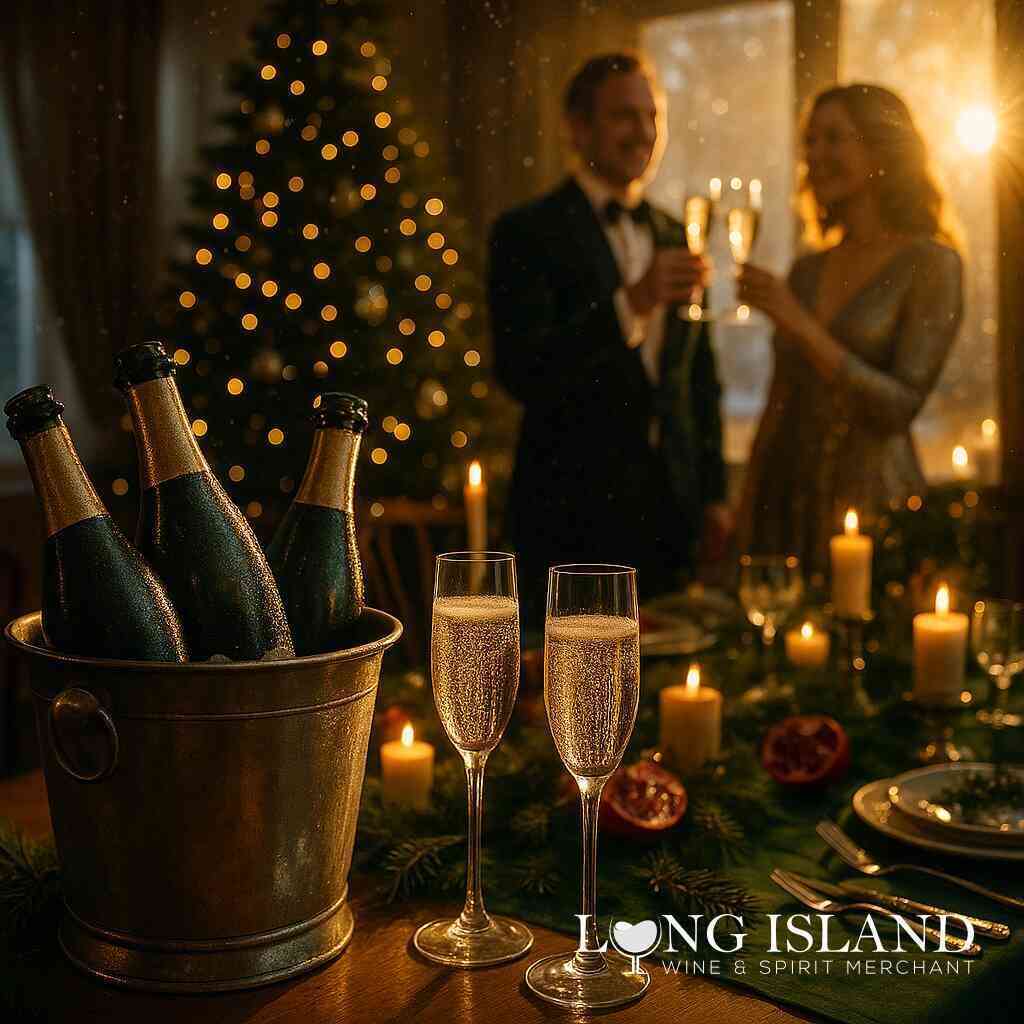
The Joy of Bubbles at Holiday Time
A Christmas table feels incomplete until that first cork flies. The sound, the mist, and the steady rise of beads immediately switch a room into celebration mode. This guide looks at the styles, serving tips, and smart buying moves that make choosing the right sparkling wine for Christmas 2025 both simple and fun.
Why Sparkling Wine Dominates December
• Sensory impact – The pop and fizz provide a built-in ceremony that no still wine can match.
• Versatility – Firm acidity cuts through rich roasts, while a gentle dose of sweetness flatters desserts and cheese boards.
• Broad price ladder – From everyday Prosecco to prestige Champagne, hosts can match any budget without losing the festive feel.
Major Styles to Know
Champagne
Made by the traditional method with a second fermentation in the bottle. Expect brioche, almond, citrus, and fine, persistent bubbles. Choose a non-vintage brut for a classic, balanced option or a vintage bottling when you want deeper complexity. Serve with oysters, baked ham, or truffled popcorn.
Prosecco
Tank-fermented Glera grapes from northern Italy deliver fresh apple, pear, and white flower notes. Light body and modest alcohol make Prosecco ideal for brunch or aperitif sipping. It shines in large gatherings where easy drinking and value matter.
Cava
Spain’s answer to bottle-aged sparkling wine. Xarel-lo, Macabeo, and Parellada grapes yield citrus, green herb, and faint toast tones. Cava often over-delivers for its price, offering a drier style than most inexpensive Prosecco. Pair with tapas, roast turkey, or seafood paella.
Crémant
Produced around France outside Champagne, often with regional grapes. Crémant de Loire leans on Chenin Blanc, while Crémant d’Alsace may feature Pinot Blanc or Riesling. Usually crisp and fruit-forward, it works well with smoked salmon or goat cheese starters.
New-Wave Sparkling Rosé
From English Pinot Noir fizz to Californian Méthode Champenoise blends, pink bubbles are having a moment. Look for vibrant berry fruit, subtle spice, and just enough structure to handle savory dishes like glazed ham or spiced duck.
Matching Wine to the Crowd
- Mixed palates – A non-vintage brut Champagne remains the universal pleaser.
- Large casual parties – Opt for Prosecco or Cava in 1.5-liter magnums. Fewer bottles to open equals less stress.
- Wine-savvy guests – Surprise them with grower Champagne or a top-quality English sparkling. These bottles offer terroir-driven character and conversation value.
- Brunch gatherings – Off-dry Moscato d’Asti or a light Pét-Nat brings fun fruit tones without heavy alcohol.
Serving Essentials
Temperature
• Champagne & Traditional-Method – 45–48 °F gives the best balance between aroma and refreshment.
• Tank-Method Prosecco – Slightly colder at 40–44 °F keeps the fruit bright.
A quick chill in an ice bucket with equal parts ice and water for 20 minutes works when the fridge is full.
Glassware
• Flute – Preserves bubbles but can mute aroma.
• Tulip – Wider mid-section concentrates bouquet while still showcasing the bead. A strong all-around choice.
• White wine stem – Acceptable for richer styles when aroma detail matters more than bubble retention.
Avoid coupes unless the goal is purely vintage aesthetics; their broad surface lets carbonation escape quickly.
Buying Smarter in 2025
The surge of reliable home delivery means more labels reach consumers than ever. A few pointers help cut through the digital shelf:
• Read producer notes on dosage (the sugar added after disgorgement). Brut Nature or Extra Brut suits low-sugar fans, while Demi-Sec plays nicely with desserts.
• Compare disgorgement dates when listed. Fresher releases bring livelier bubbles, but older disgorgement can show extra depth.
• Consider half bottles for small households or sampling flights, and large formats for seamless party service.
• Mix a case with different regions and sweetness levels. Volume pricing often lowers the per-bottle cost and broadens tasting options.
Food Pairing Quick Guide
| Dish | Reliable Sparkling Match |
|---|---|
| Roast turkey with herb butter | Brut Cava or Crémant de Loire |
| Honey-glazed ham | Off-dry Champagne or Prosecco Extra Dry |
| Smoked salmon blinis | Non-vintage brut Champagne |
| Triple-cream Brie | Blanc de Blancs Champagne |
| Gingerbread or fruitcake | Demi-Sec Champagne |
| Vegan mushroom Wellington | English sparkling rosé |
Five Bottles to Put on Your Radar
- Grower Champagne Blanc de Noirs – 100 % Pinot Noir fruit, layered red apple and pastry tones, persistent mousse.
- Premium Prosecco DOCG Brut – Delicate peach and elderflower, clean finish, value under twenty dollars.
- Reserva Cava – Aged 24 months sur lie, bringing nutty complexity at an everyday price.
- English Sparkling Rosé 2019 – Cranberry, wild strawberry, and chalky minerality that rivals many prestige cuvées.
- Crémant d’Alsace Extra Brut – Bright citrus and light almond character, perfect aperitif weight.
Making It Memorable
• Personalize – Handwrite tasting cards so guests know what is in each bottle.
• Create a flight – Pour two-ounce servings of three contrasting styles before dinner. It sparks discussion and helps guests find favorites.
• Saber safely – If demonstrating the iconic sword opening, chill the bottle thoroughly, aim away from people, and wear protective eyewear.
• Plan for leftovers – Reseal with a hinged sparkling stopper and store upright in the fridge. Quality persists for roughly 24 hours.
Final Thoughts
Choosing sparkling wine for Christmas 2025 does not require insider connections or an endless budget. A basic grasp of style, sweetness, and service elevates even modest bottles, while the expanding online marketplace places niche cuvées within easy reach. Whether the evening calls for a single show-stopping magnum or a table filled with varied labels, the magic lies in those rising bubbles and the shared moments they spark. May every pop this season be memorable, delicious, and bright.
Comparing the Best Sparkling Wines for Christmas 2025


Comments
Post a Comment