Best Seasonal Red Wines for an Unforgettable Christmas
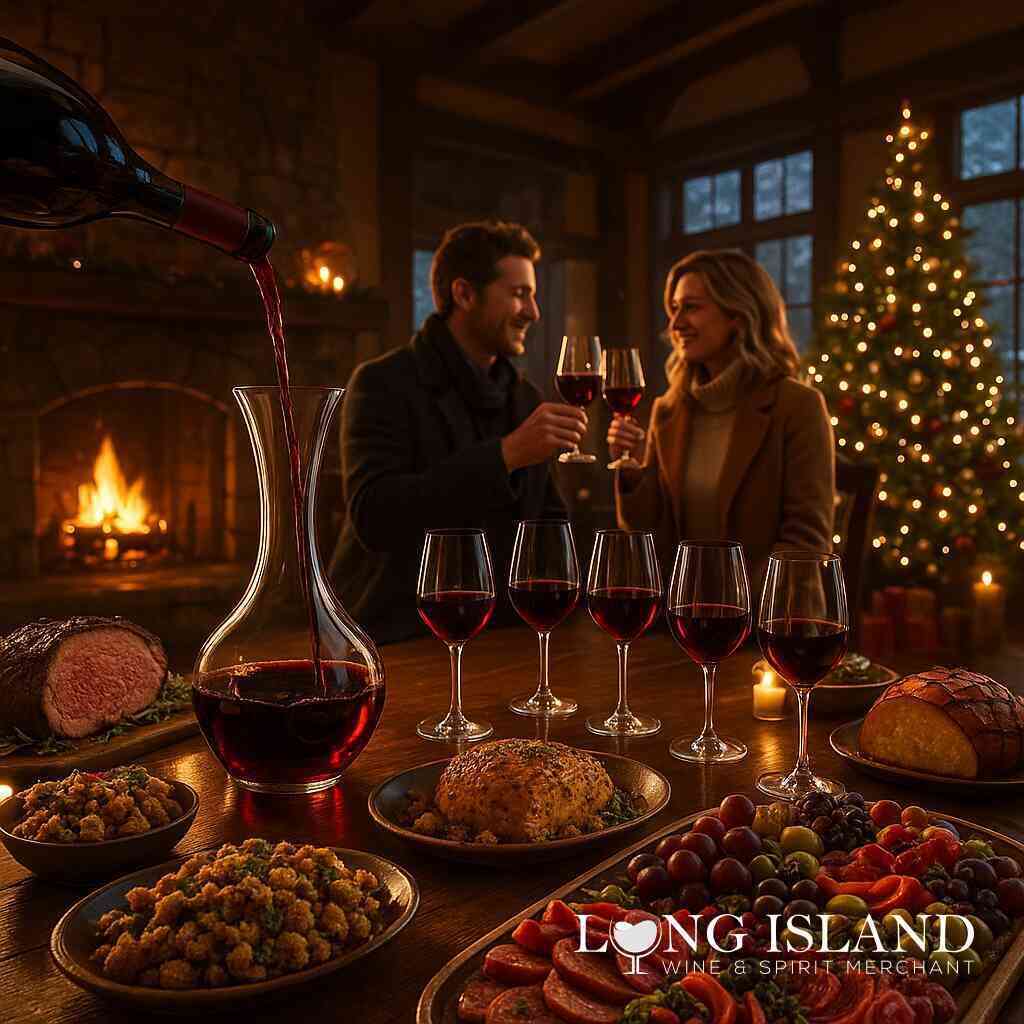
Why Christmas Calls for Thoughtful Red Wine Selection
A holiday menu moves from seafood canapés to herb-laced stuffing and finally to rich roasts. No single red style fits every plate, yet the right bottle can heighten each course and even echo nostalgic winter aromas such as cinnamon, cedar, and cranberry. This guide breaks down body, origin, and budget so that hosts can place confident choices on the table without turning the meal into a tasting seminar.
Understanding Body: Light, Medium, and Full
Light-Bodied Reds
Typical grapes: Gamay, Pinot Noir (cool-climate), Schiava
These wines feel delicate on the palate and show bright red fruit, subtle spice, and gentle tannin. They shine with lighter fare—think smoked salmon blinis, roasted root vegetables, or turkey breast.
Key impressions
- High acidity keeps starters lively.
- Minimal oak lets herb and cranberry notes stand out.
- Serve slightly chilled (about 55 °F) to emphasize freshness.
Medium-Bodied Reds
Typical grapes: Sangiovese, Grenache, Merlot, Rioja blends
Medium choices layer plum, dried cherry, and hints of cocoa or leather. Their moderate tannin makes them flexible partners for glazed ham, stuffing loaded with sage, or mushroom risotto.
Key impressions
- Enough structure to handle fat and salt.
- Savory undertones echo winter herbs.
- Often crowd-pleasing when the guest list spans casual drinkers and enthusiasts.
Full-Bodied Reds
Typical grapes: Cabernet Sauvignon, Syrah/Shiraz, Malbec, Bordeaux blends
Dense fruit, firm tannin, and noticeable oak define this category. Pair with prime rib, venison, or hard aged cheeses. The wine’s grip cuts through marbled meats while dark berry and pepper notes complement char and crust.
Key impressions
- High tannin binds to protein and softens perception of fat.
- Toasted oak, vanilla, or smoke echo holiday spices and fireplace aromas.
- Decant 30–60 minutes to let aromas unfold.
Old World Versus New World: Style at a Glance
| Origin | Flavor Emphasis | Best Food Partners |
|---|---|---|
| Old World (Bordeaux, Chianti, Rioja) | Earth, leather, restrained fruit | Savory stuffing, chestnuts, mushroom gravy |
| New World (Napa, Barossa, Colchagua) | Ripe blackberry, vanilla, bold spice | Maple-glazed ham, smoked brisket, pepper-crusted turkey |
Rather than choosing one camp, consider opening one bottle of each. The contrast sparks conversation and ensures both subtle and robust dishes find a match.
Highlight Grapes and Pairings for the 2025 Table
Pinot Noir With Herb-Roasted Turkey
- Cranberry, pomegranate, light clove
- Bright acidity lifts white meat; low tannin avoids clashing with delicate texture
Sangiovese With Classic Lasagna or Baked Ziti
- Tart cherry, tomato leaf, dried oregano
- Natural tomato affinity makes it a seamless partner for red-sauce traditions on Christmas Eve
Cabernet Sauvignon With Prime Rib and Horseradish Cream
- Black currant, cedar, eucalyptus
- Firm tannin counters beef fat while eucalyptus refreshes the palate after spicy horseradish
Shiraz With Honey-Glazed Ham
- Blackberry jam, pepper, sweet smoke
- Fruit sweetness echoes glaze; pepper spice offsets salt
Gamay With Cheese and Charcuterie Boards
- Strawberry, banana peel, faint earth
- Light body prevents palate fatigue as guests snack before dinner
Budget to Luxury: Choosing Cabernet Gifts
Under $20 – Crowd-Friendly Comfort
- Chilean or South African Cabernet-Merlot blends
- Soft tannins, plush fruit, subtle oak
- Perfect for office exchanges or stocking stuffers
$20–$50 – Elevated Yet Accessible
- Sonoma or Coonawarra Cabernet
- More layered structure, cocoa notes, balanced acidity
- Pair with gourmet burger nights between holiday events
$50 and Beyond – Cellar-Worthy Statements
- Napa single-vineyard, Pauillac classed-growth, Bolgheri Super Tuscan
- Complex tannin lattice, graphite, violet, and age potential
- Add a velvet-lined box or custom engraving for an heirloom touch
Tip: Presentation magnifies generosity. A simple ribbon or handwritten note often means as much as the price tag.
Practical Serving Tips for Seamless Hosting
- One bottle serves five standard glasses. Plan on a glass and a half per person for dinner, plus extra if the party lingers.
- Mind the temperature. Light reds: 55 °F; medium: 60 °F; full-bodied: 65 °F. A quick 15-minute chill in the fridge can rescue an overheated bottle.
- Use decanters wisely. Aerate young, tannic wines. Older vintages may need gentle, brief exposure to preserve delicate aromas.
- Offer water and neutral snacks. Bread or plain crackers keep palates fresh and moderate alcohol absorption.
Final Thought
Selecting seasonal red wines is less about chasing scores and more about matching mood, menu, and memory. Keep a mix of body levels, showcase both Old and New World expressions, and present them at the right temperature. With those fundamentals in place, the clink of glasses will carry a richer harmony, and the Christmas table will feel effortlessly complete.
Comparing Seasonal Red Wines for Christmas Events


Comments
Post a Comment