Best Fall Cognac Picks From Long Island Spirits Experts
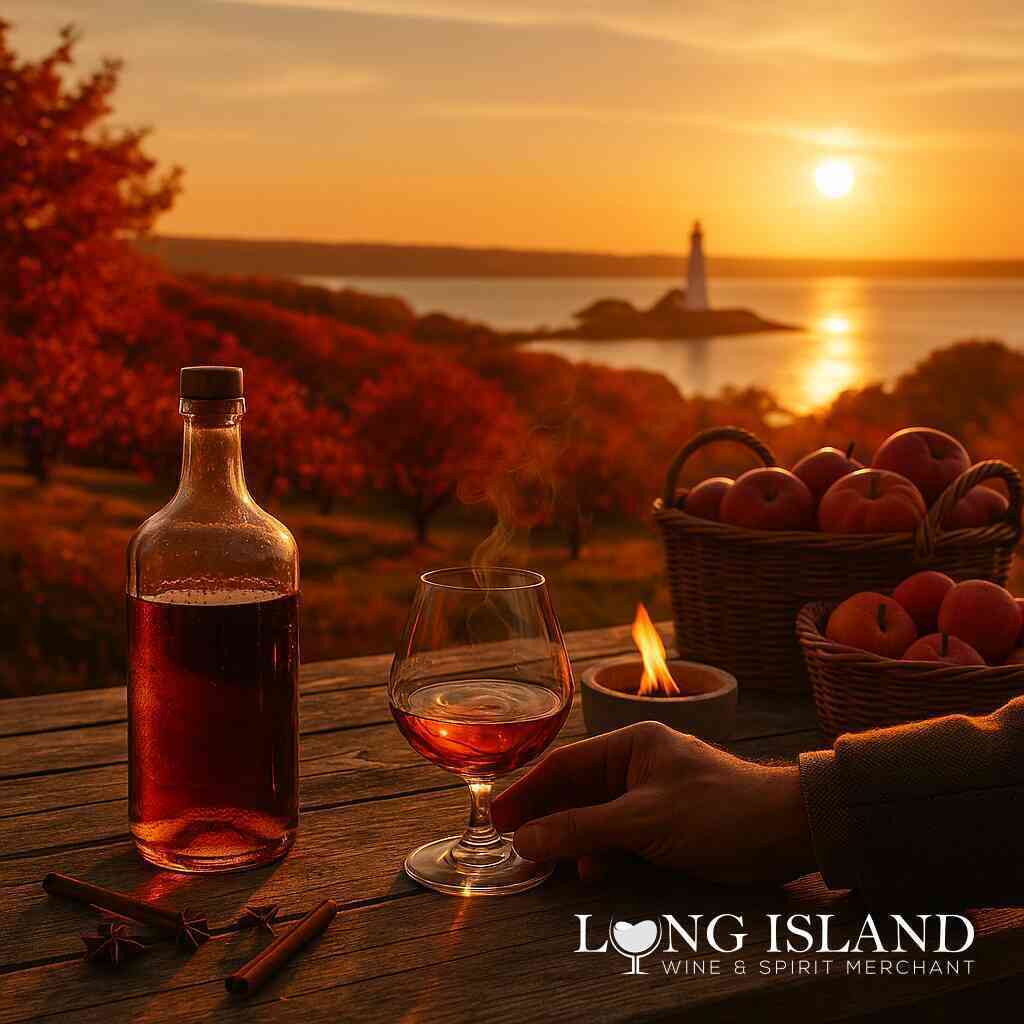
Autumn on Long Island invites deeper, warmer flavors. This guide explains how local specialists in Commack evaluate and recommend cognac when temperatures drop.
Why Cognac Shines in Cooler Weather
Cognac’s aromatic oils become more expressive in crisp air. Lower room temperatures slightly thicken the liquid, letting vanilla, clove, and toasted almond stand out. Chimney smoke or a backyard fire further primes the palate for oak-driven notes already present in well-aged eaux-de-vie.
Seasonal releases from France often lean into that moment. Extra-toasted barrels or extended aging push nutmeg, baked apple, and fig—flavors that feel at home alongside autumn produce and hearty dishes.
Understanding the Labels: VS, VSOP, XO
Choosing a tier is the fastest way to match a bottle to the evening.
- VS (Very Special): Minimum two years in oak. Bright orchard fruit and gentle spice make it ideal for tailgate cocktails or a simple Highball.
- VSOP (Very Superior Old Pale): Four years or more. Expect caramel, cinnamon, and subtle dried fruit—perfect next to a firepit or paired with apple pie.
- XO (Extra Old): Ten years and up. Layers of fig, leather, and cigar box call for quiet reflection, perhaps after a long walk through leaf-lined trails.
Staff often steer newcomers toward VSOP. It feels richer than VS but demands less commitment, both in palate and price, than a prestige XO.
The Rise of Single-Estate Cognac
Bottlings sourced from one vineyard highlight soil and microclimate—known in France as terroir. Coastal chalk and inland clay show up differently once a barrel rests for years.
- Chalky parcels (Grande Champagne, Petite Champagne) tend to hold acidity, translating to lifted floral tones that stay focused even in older XO releases.
- Borderies soils gift soft violet aromas that remain vivid through long aging.
- Fins Bois sites, with more sand and quicker drainage, yield spirits that integrate oak sooner, delivering roundness after just a few seasons.
For local drinkers, comparing these regions can feel like tasting differences between the North Fork’s maritime vineyards and the island’s slightly warmer interior farms.
Small Batch vs. Big House Blends
Large houses elevate consistency, marrying hundreds of casks to hit a signature profile each year. By contrast, small-batch producers might bottle as few as ten carefully selected barrels. The result is more pronounced individuality—sometimes a burst of candied orange, other times a whisper of coastal salinity.
Neither approach is strictly better. A collector may chase limited single-cask bottlings for their uniqueness, while a home bartender might prefer a familiar blend that behaves predictably in cocktails.
Buying Tips From Commack Professionals
- Think Use-Case First: Are you gifting, mixing, or sipping neat? Define this early and you will narrow the field fast.
- Read the Back Label: Age statements, cask finishes, and grape varieties often appear here and reveal why one VSOP costs more than another.
- Ask About Storage: A reputable shop keeps cognac upright and away from fluorescent lights, preserving delicate top notes.
- Explore Half Bottles: They offer a low-risk way to compare regions before investing in a full 750 ml.
Serving Suggestions for Fall
- Warm the glass with your hands rather than using direct heat; sudden temperature jumps can jolt aromas.
- Pair VSOP with sharp cheddar or roasted chestnuts.
- Match XO with dark chocolate possessing at least 70 % cocoa to balance sweetness and tannin.
Final Thoughts
Long Island’s coastal climate may differ from Cognac, France, yet both places share sandy soils and cool Atlantic breezes. Local experts leverage that kinship when curating shelves each October. By understanding label tiers, terroir, and your own plans for the bottle, choosing the right fall cognac becomes an engaging, rewarding process—one that elevates any sweater-weather gathering.
https://www.longislandalcohol.com/analyzing-fall-cognac-choices-by-long-island-alcohol-store/


Comments
Post a Comment