Sparkling Wine Guide at Commack’s Long Island Liquor Store
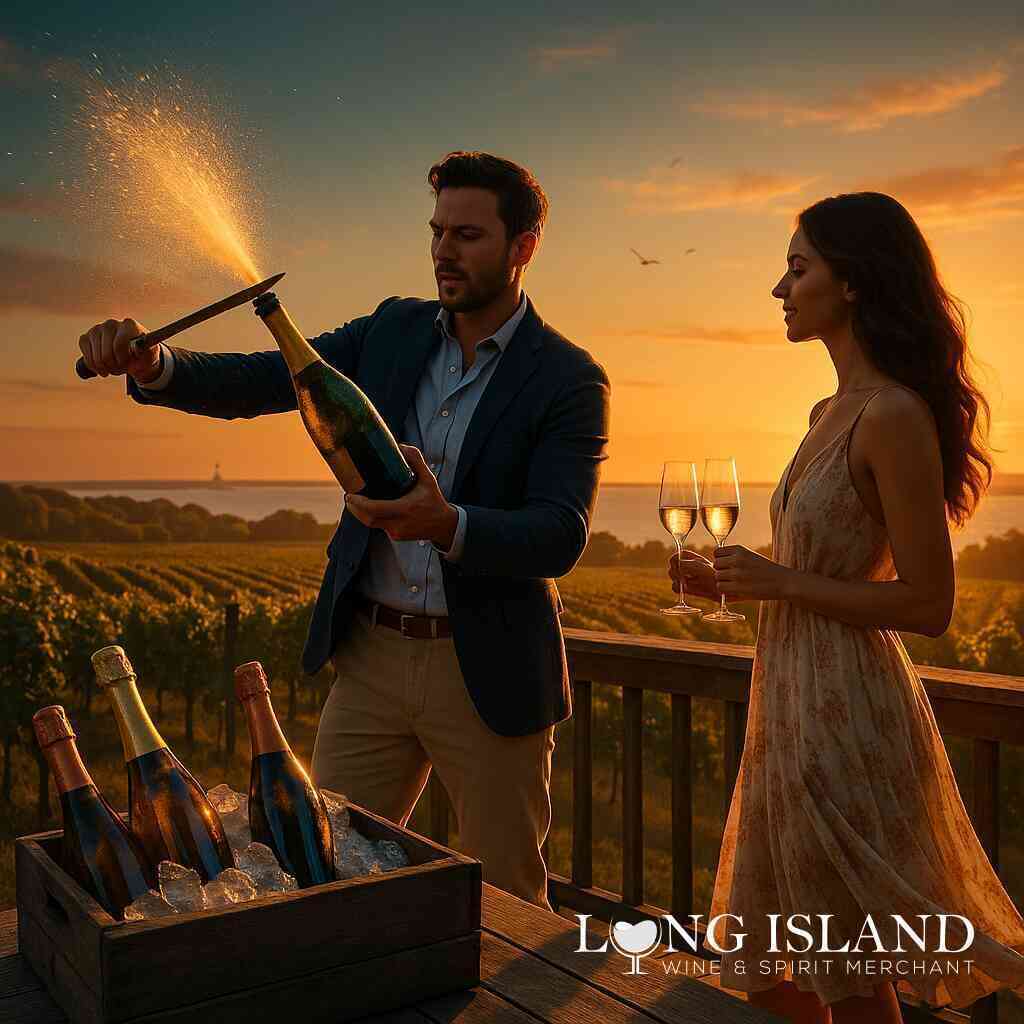
Discover a New Bubble Culture in Commack
Sparkling wine no longer waits for weddings or New Year’s Eve. At the Long Island Liquor Store inside Commack’s Northgate Shopping Center, fizz has become a daily pleasure. Shelves mix famous Champagne with Long Island pét-nat, inviting exploration rather than intimidation. This guide breaks down the essentials so you can walk in, ask smarter questions, and leave with a bottle that truly fits the moment.
1. Everyday Enjoyment, Not Just Celebration
The team in Commack believes bubbles belong with tacos on a Wednesday as much as with oysters on a Saturday. Lower-pressure styles such as pétillant-naturel or Prosecco feel casual and affordable, encouraging weeknight sipping. Meanwhile, traditional-method wines age gracefully and reward longer dinners. Recognizing this range removes the price stigma that once kept corks firmly in place.
2. Production Methods in Plain English
Different processes create different textures and flavors. Here is a quick primer:
- Traditional Method (méthode champenoise) – Second fermentation happens in each bottle. Expect tiny, persistent bubbles, brioche aroma, and cellar-worthy depth.
- Tank Method (Charmat) – The wine gains its sparkle in a pressurized stainless-steel tank. Bubbles are softer, fruit tones stay bright, and costs remain moderate. Classic Prosecco uses this approach.
- Transfer Method – A hybrid. Second fermentation occurs in bottle, but the wine is later moved to a tank for filtration before being re-bottled. Quality sits between the options above.
- Ancestral / Pét-Nat – Bottled during the first fermentation, capturing natural CO₂. The result is rustic, lightly fizzy, and often unfiltered.
Knowing these terms helps you predict mouthfeel without relying solely on a price tag.
3. Demystifying Sweetness Labels
Sparkling labels can mislead because “Extra Dry” is not the driest category. Remember the order below, from driest to sweetest:
- Brut Nature (sometimes called Zero Dosage)
- Extra Brut
- Brut
- Extra Dry
- Dry / Sec
- Demi-Sec
- Doux
Many seafood dishes shine with Brut Nature or Extra Brut, while spicy cuisine often benefits from a softly sweet Demi-Sec. Store staff can walk you through a quick taste so you feel the impact of dosage before you buy.
4. Grower Champagne: Personality in a Glass
Unlike large houses that blend grapes from many villages, grower producers farm their own fruit. The Commack selection showcases names that focus on individual terroirs, extended lees aging, and minimal intervention. Expect notes of toasted almond, stone fruit, and chalky minerality without the marketing markup of global brands.
Key advantages:
- Transparent vineyard sourcing
- Smaller batch sizes that change each vintage
- Generally stronger value at the same quality tier
5. Local Sparklers From the North Fork
Long Island’s maritime climate mirrors parts of coastal France, giving Chardonnay and Pinot Noir the acidity needed for fine bubbles. Traditional-method wines from Suffolk County now compete on texture and complexity with established Old-World regions. Ask for bottles that list time spent on lees; 24 months or more will yield creamy mousse and subtle pastry aromas.
6. Prosecco, Cava, and Franciacorta Face-Off
While all three originate from Italy or Spain, their styles vary dramatically:
- Prosecco (Italy, Tank Method) – Glera grape, pear and white-flower notes, lively and approachable.
- Cava (Spain, Traditional Method) – Xarel-lo, Macabeo, Parellada grapes; more citrus and herb character, finer bubbles.
- Franciacorta (Italy, Traditional Method) – Predominantly Chardonnay and Pinot Noir, aged extensively on lees; offers depth closer to Champagne.
Side-by-side tastings at the store illustrate how production method and grape choice affect flavor far more than price alone.
7. How to Choose the Right Bottle in Store
- State the occasion. A picnic welcomes pét-nat; a milestone dinner deserves extended-aged Brut.
- Share your food plans. Staff can match sweetness and acidity to the meal.
- Set a budget range, not a single number. This keeps more options on the table.
- Ask about disgorgement dates. Fresher releases preserve fruit; older releases offer autolytic depth.
8. Serving and Storage Tips
- Chill to 40–45 °F for most styles; slightly warmer preserves complexity in vintage cuvées.
- Hold the cork and twist the bottle, not vice versa, to release pressure quietly.
- Use flutes for visual drama, but reach for a white-wine glass when you want to capture aroma.
- After pouring, keep the bottle on ice. Once opened, most bottles stay fresh for 24 hours with a sparkling-specific stopper.
9. Quick Pairing Cheat-Sheet
- Brut Nature – East-end oysters, sushi, sashimi.
- Extra Dry Prosecco – Prosciutto, melon, simple salads.
- Vintage Champagne – Lobster, butter-poached dishes, truffle risotto.
- Rosé Cava – Charcuterie boards, fried chicken.
- Demi-Sec – Thai curry, spicy barbecue.
10. Bringing It All Together
The Long Island Liquor Store team has positioned Commack as a learning hub for fizz enthusiasts. By combining clear label education with regular tastings, they turn the intimidating world of sparkling wine into an approachable adventure. Whether you crave a budget-friendly Prosecco for brunch or a cellar-worthy grower Champagne for a future anniversary, a little background knowledge and a short chat with staff will point you toward the perfect cork to pop.
Next time you see those stacked cases of bubbling bottles, remember: method, sweetness, and occasion are your compass. With those three factors, finding the right sparkler becomes an enjoyable quest rather than a guessing game.
Unlock Sparkling Wine Secrets with Long Island Liquor Store


Comments
Post a Comment