Rare Cognac Tiers Guide: Top 10 Collectible Bottles 2026
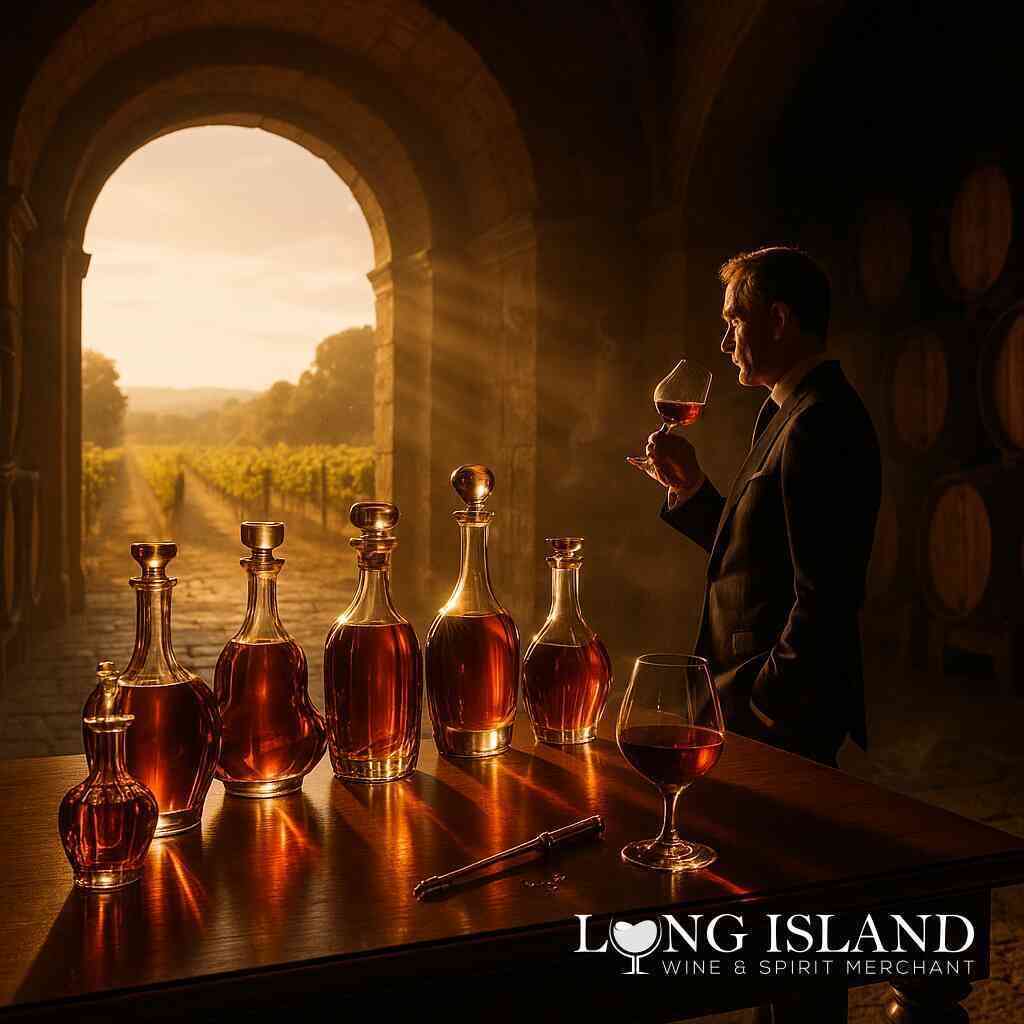
Discover the World of Rare Cognac in 2026
Collecting rare cognac is no longer a niche pursuit. A new wave of enthusiasts looks for bottles that combine scarcity, storytelling, and investment value. This guide walks through ten distinct rarity tiers curated by Liquor Store Open, the Long Island retailer known for sourcing hard-to-find spirits. You will learn what defines each tier, why it matters, and how to decide which level best matches your palate and budget.
Why Rare Cognac Still Captivates Modern Drinkers
- Sensory fireworks – Extra-old eaux-de-vie deliver layers of dried fruit, cedar, floral honey, and rancio that evolve for minutes.
- Cultural heritage – Each house guards traditions that span centuries, turning a pour into a practical history lesson.
- Collectible value – Limited bottlings often appreciate over time, making them liquid assets as well as liquid pleasure.
- Occasion flexibility – A prestige decanter can anchor a tasting flight, elevate a holiday dinner, or become a milestone gift.
How Liquor Store Open Curates Ultra-Premium Stock
The Commack-based team maintains direct relationships with Cognac houses, brokers, and private cellars. Every incoming lot is blind-tasted, proofed, and assessed for provenance. Bottles then rest in a temperature-controlled vault until shipped in insulated packaging. Customers can also request custom engraving or climate-monitored delivery to ensure a flawless arrival.
Start With a Flavor Profile Quiz
Navigating the rare cognac spectrum is easier when you understand your flavor preferences. Liquor Store Open offers a quick quiz that sorts drinkers into preferred styles—floral Borderies, spicy Fins Bois, or deep Grande Champagne, for example. Matching bottles to palate data saves money and helps avoid buyer’s remorse when stepping into higher price tiers.
The Ten Tiers of Rare Cognac
Below is a snapshot of the ladder from ultra-historic liquids to forward-looking micro-releases. Age statements can be misleading; rarity depends on vineyard source, cask lineage, and tiny production runs. Use this list as a map rather than a rigid hierarchy.
1. Legacy Library Pre-Phylloxera
Distilled before the 1870s vine plague, these eaux-de-vie come from ungrafted grapes. Expect haunting aromas of dried apricot, old varnish, jasmine, and pipe tobacco. Quantities sit in the low hundreds of bottles worldwide, making each pour feel like time travel.
Why it matters: Ungrafted vines create structural nuances that modern rootstocks cannot replicate.
2. Centenary Casks (100-Plus Years in Wood)
Not merely old, but continuously aged in barrel for a full century or more. The extended micro-oxidation yields velvet texture and deeply integrated rancio.
Flavor cues: Walnut oil, candied orange peel, Szechuan pepper, antique leather.
3. Family Reserve Demijohn Releases
Select Cognac families store micro-parcels in glass demijohns to halt oak influence. Once a generation they bottle a few liters for insiders. Retail allocations rarely exceed 30 bottles.
Collectibility tip: Hand-written labels and wax capsules amplify provenance.
4. Borderies Single-Estate XO
From the smallest cru, prized for iris and violet notes. When a single grower controls vine to bottle, terroir shines. Output may be a single barrique per year.
Pairing idea: Soft goat cheese to highlight floral tones.
5. Hors d’Âge Overproof Editions
Most vintage cognac is diluted to 40 % ABV. Overproof bottlings (50 %-60 %) keep more congeners intact, offering amplified spice and fruit. Evaporation losses make high-strength casks rare by default.
Tasting tip: Add two drops of water to unlock baked-apple notes.
6. Double-Maturation Experimental Series
A few houses are finishing old cognac in ex-Sauternes or sherry butts. The secondary rest lasts five to ten years, merging honeyed dessert-wine richness with classic rancio.
Why watch this tier: Innovative finishes are trending, yet remain scarce enough to intrigue collectors.
7. Organic Micro-Domaine VSOP+ Projects
Certified organic vineyards represent a sliver of Cognac acreage. Small growers craft fewer than 3,000 bottles annually. Though younger than XO age, these spirits spotlight pure fruit and sustainable farming.
Investment angle: Early bottles from pioneering eco producers may gain cult status.
8. Collaboration Blends With Renowned Winemakers
Occasionally a Cognac cellar master teams up with a famous Burgundy or Bordeaux estate. The blend leverages cross-regional expertise and shared oak cooperage. Volumes stay modest, usually under 1,500 bottles.
Serving note: The wine connection makes these bottles conversation starters at multi-course dinners.
9. Cask-Strength Single Vintage Millennials
Distilled between 2000 and 2005, these “younger” vintage releases are hitting prime maturity in 2026. Demand outpaces supply because collectors born in those years seek birth-year spirits.
Flavor profile: Fresh fig, butterscotch, mint, and well-defined oak spice.
10. Limited-Edition Artist Series Decanters
Cognac houses commission sculptors or glassmakers to design elaborate decanters, then fill them with special blends. The packaging often drives up-front cost, but the liquid inside is equally limited.
Display tip: Keep away from direct sunlight to protect both art and spirit.
Choosing the Right Tier for Your Collection
- Set a purpose – Decide if your goal is tasting, gifting, or long-term appreciation.
- Match tier to palate – Use flavor quizzes or guided tastings before committing.
- Verify provenance – Request bottling certificates, cask numbers, and storage history.
- Budget for protection – Factor in climate-controlled shipping or home cellar upgrades.
When in Doubt, Start Small
Entry-level micro-domaine VSOP bottles offer a gateway to authenticity without four-figure prices. As confidence grows, step into single-estate XO and beyond.
Storing and Serving Tips
- Maintain 55-65 °F with minimal light exposure.
- Keep bottles upright to preserve corks yet avoid excess spirit-to-cork contact.
- Let older cognac breathe in the glass for at least ten minutes.
- Use tulip-shaped stemware to concentrate delicate aromatics.
Final Thoughts
The rare cognac landscape in 2026 is vibrant, diverse, and increasingly transparent. Retailers such as Liquor Store Open make it feasible to access once-hidden cellars with confidence. By understanding the ten rarity tiers and matching them to personal taste, collectors can build a meaningful lineup—one that tells stories, sparks conversations, and rewards patience sip after sip.
Top 10 rare cognac tiers unveiled by Liquor Store Open


Comments
Post a Comment