Mixology Bottle Sizes: Guide to 10 Essential Formats
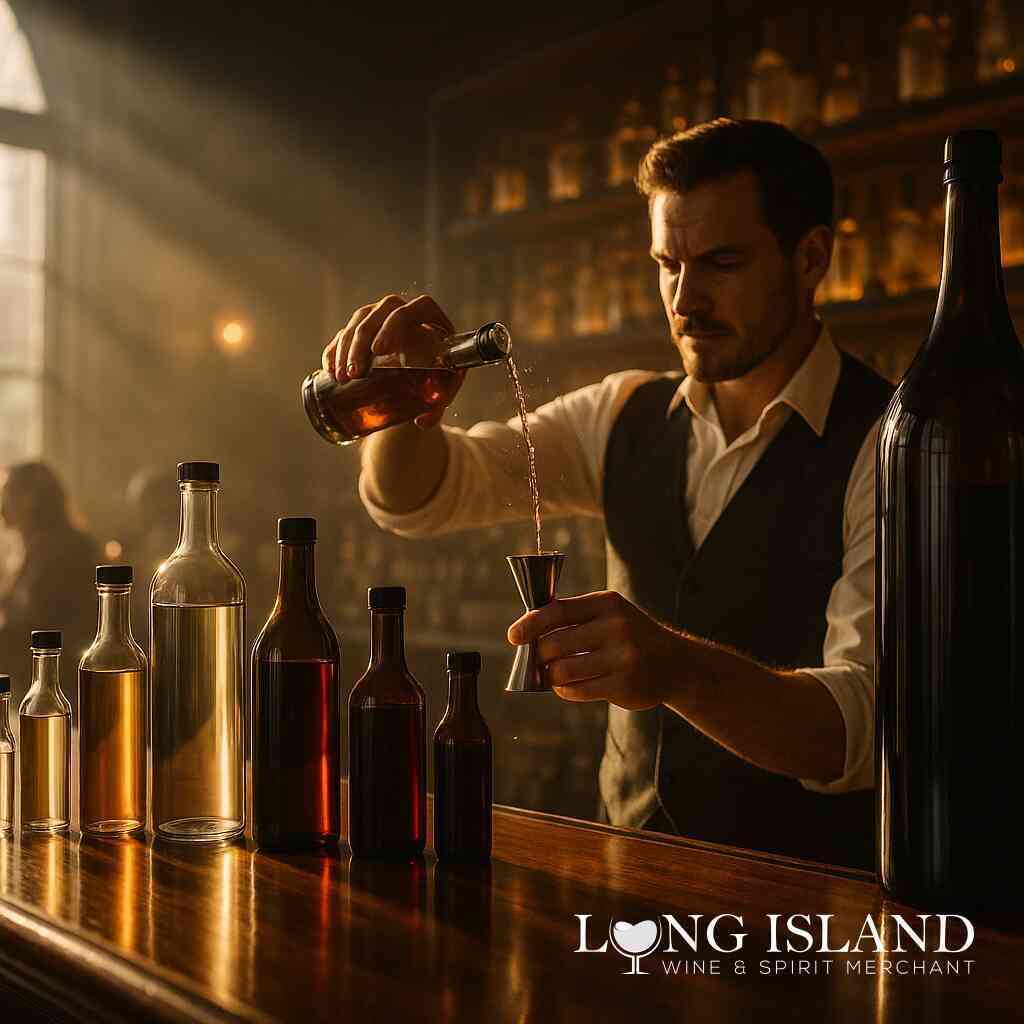
A Practical Road-Map to Bottle Dimensions
Choosing the right bottle size is one of the quiet skills that separates a smooth service from a stressful one. The volume you stock influences pour accuracy, shelf layout, freshness, and labor fatigue. This overview walks through the ten most useful formats, why professionals rely on them, and how each can streamline a home or commercial bar.
1. 50 mL – The Mini or " Nip"
- Ideal for sampling new labels, building tasting flights, and crafting welcome cocktails.
- Exact single-shot volume lets bartenders test recipes without opening a large bottle that might oxidize on the back bar.
- Frequently chosen for event favors because they travel easily and avoid glassware clean-up.
2. 200 mL – The Pocket Flask
- Roughly four standard pours, making it perfect for hiking trips or recipe R&D in a small kitchen.
- Home mixologists buy vermouth or liqueurs in this size to guarantee freshness for drinks such as Martinis or Manhattans that suffer when oxidized.
- Its shorter neck and light weight reduce wrist strain during repetitive flair moves.
3. 375 mL – The Half Bottle
- A smart middle ground when testing infusions or clarifications that may not scale on the first try.
- Caters to smaller households that still want variety—easily split between two guests without leftover pressure.
- Fits neatly in wine refrigerators, freeing shelf space for higher-volume staples.
4. 500 mL – The Craft Distiller’s Showcase
- Many boutique producers bottle limited releases in 500 mL to keep price approachable despite costly ingredients.
- For bartenders, the format encourages responsible menu rotations before slower-moving niche spirits expire.
- Its slightly wider cylinder can display eye-catching labels that prompt upsells at the bar.
5. 750 mL – The Classic "Fifth"
- Still the global workhorse for most spirits and liqueurs, delivering roughly 16 standard 1.5-ounce pours.
- Balances ergonomics and capacity: one hand can lift and accurately free-pour while a jigger rests in the other.
- Slides into nearly every speed rail slot or home bar rack, making inventory counts straightforward.
6. 1 L – The Service Optimizer
- Adds about six extra cocktails per bottle compared with a fifth, reducing change-outs during high volume rushes.
- Many well spirits move to liter format first because the incremental price per ounce is lower, protecting margins.
- The taller neck still pours comfortably but may require adjusting some under-counter shelves.
7. 1.14 L – The Canadian "Forty" Equivalent
- A popular duty-free option that sneaks in more volume without the full heft of a handle.
- Useful for house-made cordial or premix batches when refrigerator space is at a premium.
- Bars near the border often stock both liter and 1.14 L; clear labeling prevents cost discrepancies during inventory.
8. 1.5 L – The Magnum
- Common for still or sparkling wine but increasingly seen in aged rum and specialty tequila.
- Presents a striking table centerpiece and holds carbonation better for large-format Champagne service.
- For spirits, the weight encourages two-handed pours; compatible pour spouts rated for wide necks are essential.
9. 1.75 L – The Handle
- Delivers about 39 standard drinks, making it indispensable for house vodka, gin, and blended whiskey.
- Cost savings are significant, yet over-ordering can backfire if guest preferences change; track depletion closely.
- The built-in handle improves stability, though the bottle’s diameter may crowd adjacent slots on speed rails.
10. 3 L – The Jeroboam and Beyond
- Reserved for premium Champagne or showpiece spirits in upscale venues.
- Dramatically slows oxidation once opened, allowing extended service for high-ticket pours.
- Plan for secure shelving and double-check that back-bar mirrors can support the weight before showcasing.
How to Choose the Right Mix of Sizes
- Forecast Volume: Start with sales data or expected guest count. High-turnover spirits deserve liters or handles, whereas experimental infusions belong in halves or pockets.
- Protect Freshness: Vermouth, cream liqueurs, and oxidizing aperitifs keep their flavor longer in smaller bottles. Rotate stock so the last in is the first out.
- Consider Ergonomics: Staff perform hundreds of repetitive motions per night. Alternating light and heavy formats can minimize fatigue and lower the risk of drops.
- Optimize Storage: Measure shelf height, depth, and rail width before ordering unfamiliar sizes. A snug fit reduces clinking and accidental breakage.
- Match Program Goals: Craft cocktail menus with frequent seasonal changes thrive on variety, so lean on 375 or 500 mL. High-volume clubs rely on speed, so lean on 1 L or 1.75 L.
Closing Thoughts
Bottle size is more than a packaging detail—it shapes workflow, costs, and guest experience. By understanding the strengths of each format, professionals can maintain swift service without sacrificing quality, and enthusiasts can experiment broadly without wasting product. Keep this size guide nearby the next time you stock up, and let deliberate dimensions keep your pours precise and profitable.
Top 10 Mixology Sizes Explained by Shop Liquor Bottle Sizes


Comments
Post a Comment