Long Island Winter Rosé: Top Bottles and Pairing Guide
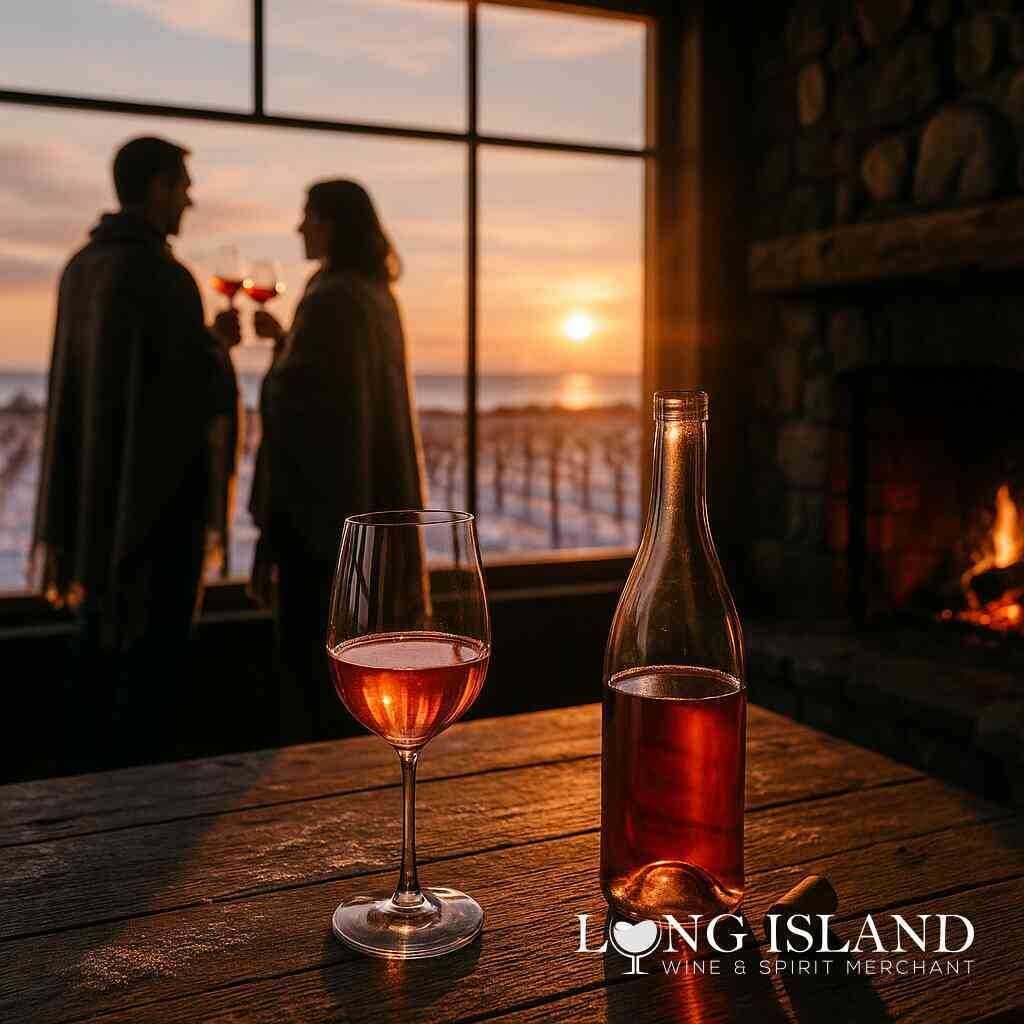
Long Island Rosé When the Weather Turns Cold
A crisp winter day on the North Fork can be the perfect backdrop for a glass of pale-pink wine. This guide explains why Long Island rosé shines in cold weather, what styles to look for, and how to pair each bottle with seasonal food. Whether you are stocking the cellar or planning a cozy fireside meal, these insights will help you choose with confidence.
1. Why Rosé Belongs on the Winter Table
Many drinkers still view rosé as a warm-weather-only option. In reality, a well-made dry rosé offers three traits that are welcome from December through March:
- Brightness – High natural acidity cuts through heavier dishes and refreshes the palate.
- Moderate alcohol – Most Long Island examples sit around 12–13 % ABV, keeping the body lively rather than tiring.
- Versatility – Red-berry fruit and gentle herbal notes match everything from seafood chowder to roast poultry.
When the temperature drops, these attributes make a pink pour feel almost electric against hearty winter flavors.
2. What Makes Long Island Rosé Distinct
Long Island’s vineyards rest between Long Island Sound and the Atlantic Ocean, creating a cool, maritime climate. Daily breezes slow ripening, lock in acidity, and encourage nuanced aromatics. Soils laced with ancient marine deposits contribute a subtle saline snap that you rarely find in inland regions.
Grape choices amplify that sense of place:
- Cabernet Franc – Adds peppery lift and cranberry color.
- Merlot – Provides plush strawberry notes and a silky mid-palate.
- Pinot Meunier or Pinot Noir – Offer light red-fruit tones and delicate florals.
Local winemakers often use the saignée method—bleeding off a portion of red must shortly after crushing—to craft concentrated rosé while bolstering the remaining red wine. Others prefer whole-cluster pressing for an even paler, mineral style. Both approaches work well in winter; selection depends on your food and mood.
3. Three Winter-Ready Styles to Know
| Style | Color | Key Traits | Best With |
|---|---|---|---|
| Salmon-hued Cabernet Franc Rosé | Medium salmon | Tart cranberry, white pepper, dried herbs | Lamb stew, lentil soup, roasted root veggies |
| Pale Merlot-based Rosé | Light blush | Ripe strawberry, hint of melon, soft texture | Lobster bisque, mushroom risotto, baked brie |
| Sur-lie Aged Rosé | Deep copper | Creamy mouthfeel, brioche, blood orange | Turkey pot pie, butternut squash, charcuterie |
All three remain dry; residual sugar rarely tops 3 g/L on the North Fork.
4. Smart Buying Tips at the Shop
- Scan the hue. In winter, a slightly deeper color can stand up to richer fare. A whisper of copper often signals more body.
- Read the back label. Producers who mention lees aging, neutral oak, or extended skin contact are flagging a fuller texture—great for cold nights.
- Ask about vintage. Rosé is typically released the spring after harvest, but quality bottles stay fresh for 18–24 months. Anything older may have lost its snap unless it was intentionally crafted for short aging.
- Watch storage conditions. Even the best rosé suffers if it sat in a sunny shop window. Bottles should be cool to the touch and upright.
- Consider food plans. If you are pairing with beef bourguignon, a Cabernet Franc rosé with more tannin is wise. For delicate seafood, reach for a pale whole-cluster bottling.
5. Serving and Pairing Suggestions
Temperature
- Chill to 48–52 °F. Too cold and fruit will hide; too warm and alcohol feels aggressive.
Glassware
- A standard white-wine stem is ideal. The narrower bowl preserves aromatics and keeps each pour cool longer.
Food Matches
- Seafood Chowder – The wine’s acidity slices through creamy broth.
- Prosciutto-Wrapped Pork Loin – Saline notes in the rosé echo cured meat.
- Root-Vegetable Cassoulet – Berry fruit lifts earthy beans and herbs.
- Aged Gouda by the Fire – Slight nuttiness in the cheese meets subtle lees character.
Festive Cocktails
Rosé also provides a base for gentle winter spritzes. Combine 3 oz rosé with 1 oz dry vermouth, a splash of cranberry, and a rosemary sprig. Top with club soda for a brunch-ready fizz.
6. Frequently Asked Questions
Isn’t rosé too light for heavy dishes?
Not when the wine comes from cool-climate red grapes such as Cabernet Franc. Moderate tannin and bright acid refresh the palate between bites of stew or roast meat.
Should I decant rosé?
Most bottles do not need it. A quick swirl in the glass is enough to open delicate floral notes.
Can I cellar Long Island rosé?
The majority shows best within two years, but a structured saignée style may evolve for an additional season, gaining savory complexity.
7. Final Thoughts
A bottle of Long Island rosé can be as comforting as a wool blanket and as invigorating as an Atlantic breeze. The region’s maritime climate delivers wines with salt-kissed freshness, vivid berry fruit, and enough backbone to navigate winter cuisine. By paying attention to grape variety, color depth, and production style, you can select a blush that complements anything from seafood chowder to holiday ham.
Keep a few bottles on hand this season. They will brighten dark afternoons, glide from brunch to dinner, and remind you that a splash of summer lives in every glass—even when the first snow covers the vines.
Best Long Island Rosé for Winter by Wine & Spirit Merchant


Comments
Post a Comment