Long Island Bourbon Nuances and Smart Buying Tips 2026
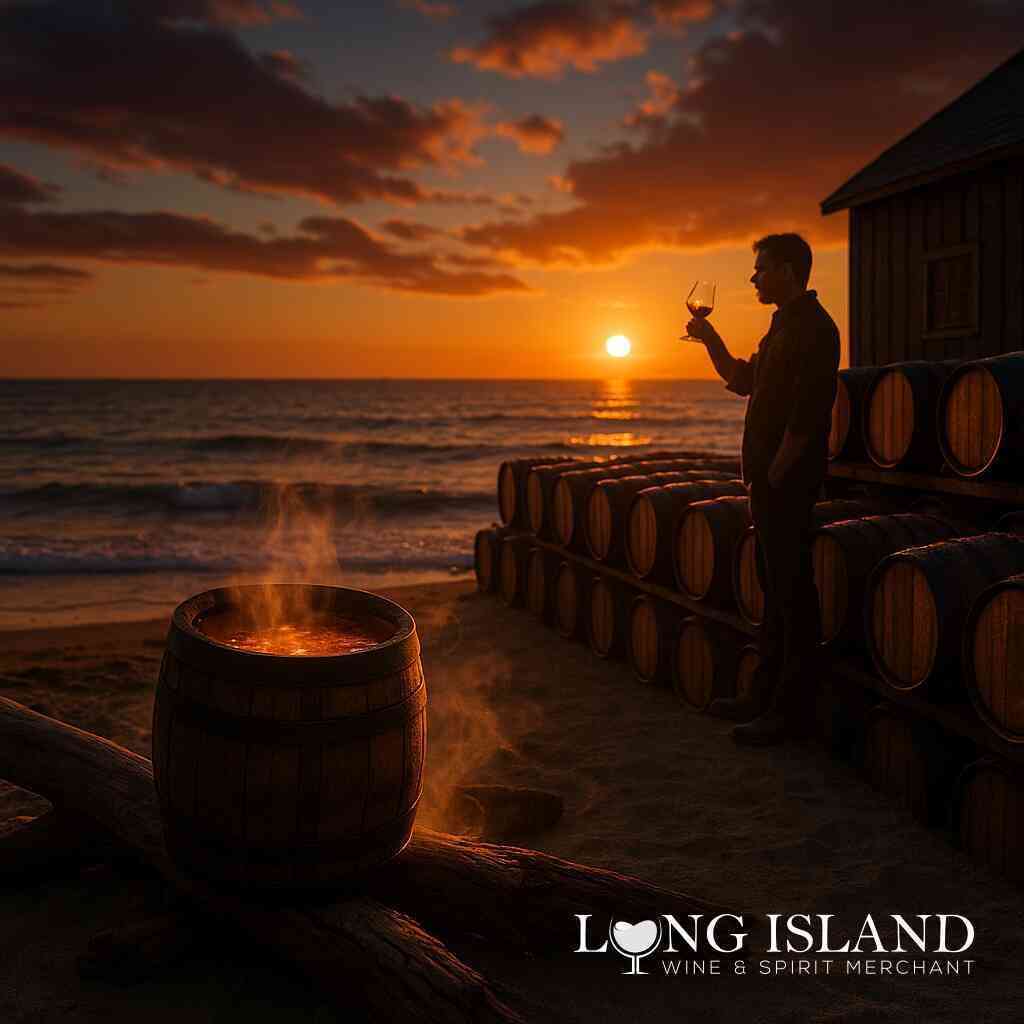
Long Island bourbon has moved from curiosity to must-try in only a few seasons. This guide breaks down what makes these coastal bottles taste different, how the region’s climate accelerates aging, and how a resource such as Liquor Store Open helps shoppers zero in on the right release without guessing.
Why New York’s Coastal Bourbons Feel So Distinct
Kentucky may be the spiritual home of bourbon, yet recent New York law changes let smaller distillers push the category in fresh directions. On Long Island, producers ferment hyper-local corn, rye, or wheat in repurposed barns and fish-house lofts, then age the spirit within earshot of the Atlantic. Two factors shape the resulting flavor profile:
- Maritime Climate – Hot, humid summers and brisk, salty winters force barrels to “breathe” faster. Spirit seeps into and out of charred oak more often, creating deeper color and caramelized sugars in as little as two years.
- Local Grain Terroir – Glacial soils lend corn a faint mineral brightness. Nearby rye fields add soft floral notes rather than aggressive spice. Because grain travels only a handful of miles, volatile oils remain intact through mash-in.
Small Batch by Design
Most Long Island houses fill fewer than twenty barrels per run. That small footprint lets the distiller tweak yeast strains or barrel char from batch to batch, then bottle what tastes best instead of chasing a fixed flavor target. Drinkers used to big-label consistency might spot subtle swings—one release leans candied orange, the next hints at cocoa nib and sea grass—but quality stays high because every barrel is personally graded.
Flavor Markers to Expect
Tasting panels at Liquor Store Open log hundreds of sensory data points for each label. Across the dataset, several recurring notes appear:
- Salted caramel: A direct result of Atlantic air interacting with oak lignin.
- Toasted hazelnut: Warmer summer rickhouses push nutty compounds forward sooner than inland warehouses.
- Light brine: Less intense than Islay Scotch but enough to lift sweetness.
- Vanilla bean: Classic charred-oak signature, often more pronounced because two- to three-year barrels still showcase fresh wood sugars.
- Sun-dried stone fruit: Apricot or peach can surface when distillers add red winter wheat for body.
Every palate is different, yet jotting down these anchors helps train your senses and compare bottles honestly.
Using Liquor Store Open to Compare Releases
Browsing a busy whiskey wall in person can feel random. The Liquor Store Open interface filters Long Island bourbon by mash bill, age, proof, and even estimated “ocean air exposure.” Each bottle’s detail page reveals:
- Grain percentages (e.g., 70 % corn, 20 % rye, 10 % malted barley)
- Barrel size and char level
- Tasting-panel score for aroma, palate, finish, and balance
- Number of bottles in the run, important for collectors
Because the catalog updates in real time, buyers can track limited releases hitting shelves that week rather than learning about them after they vanish. The approach turns shopping into a mini research project rather than impulse buying.
Building a Comparative Flight at Home
One rewarding way to understand Long Island nuance is to assemble a three-bottle flight:
- High-Corn Base – Look for 80 % corn or more. Expect vanilla fudge and sweet kettle corn.
- Rye-Forward Edition – Choose a mash with at least 30 % rye. Peppery snap contrasts the coastal caramel.
- Wheated Variant – Seek a winter-wheat mash; creamy mouthfeel and fruit leather often appear.
Pour one-ounce samples, cover with tasting lids for five minutes, then nose and sip from lightest to boldest proof. Keeping water and neutral crackers nearby lets you reset. Taking notes on aroma, palate weight, and finish length will highlight how mash choices and micro-climate age cycles shift flavor even when all barrels stand in the same rickhouse.
Serving Recommendations
Long Island bourbon tends to be younger than many Kentucky marks, so the spirit can feel feisty above 105 proof. A few drops of spring water or a frozen stainless-steel cube calm the heat without muting the salinity. For cocktails, try riffs that respect maritime brightness:
- Salt-Kissed Old Fashioned: Two ounces bourbon, demerara syrup, two dashes orange bitters, pinch of flaky sea salt, orange twist.
- Coastal Boulevardier: Equal parts bourbon, sweet vermouth, and a lighter coastal amaro; garnish with grapefruit peel.
The salt component already in the whiskey lets you reduce any added saline solution usually used for modern Old Fashioned variants.
Storage and Collectability
Temperature swings that build these flavors in the barrel can hurt them in the bottle. Keep your shelf under 75 °F and away from direct sunlight. If you plan to cellar a single-barrel release for future resale, consider an insulated case and desiccant packs to curb humidity. Liquor Store Open occasionally notes which high-proof editions are strong candidates for long sleep; look for bottlings above 115 proof and with at least 51 % rye or wheat, as these age gracefully.
Key Takeaways
- Rapid barometric shifts and sea air create caramel-salt synergy within two to three years.
- Micro batch production means bigger swings between releases; rely on tasting data rather than label color.
- Comparing corn-heavy, rye-forward, and wheated mash bills side by side is the fastest route to understanding Long Island house style.
- Salted caramel and toasted hazelnut are regional hallmarks; briny brightness separates these bourbons from inland counterparts.
- Digital platforms such as Liquor Store Open provide mash-bill transparency and real-time availability, letting enthusiasts act before allotments disappear.
Long Island’s bourbon scene still feels young, but its identity is already clear: bold, coastal, and proudly experimental. By studying the climate science behind barrel breathing and using data-rich retail tools to track new runs, you can stock a bar that tells the full story of this rising Atlantic whiskey frontier.
Compare Long Island bourbon nuances with Liquor Store Open


Comments
Post a Comment