Fine Wine Redefined at Long Island Wine & Spirit Merchant
Understanding "Fine Wine" in 2026
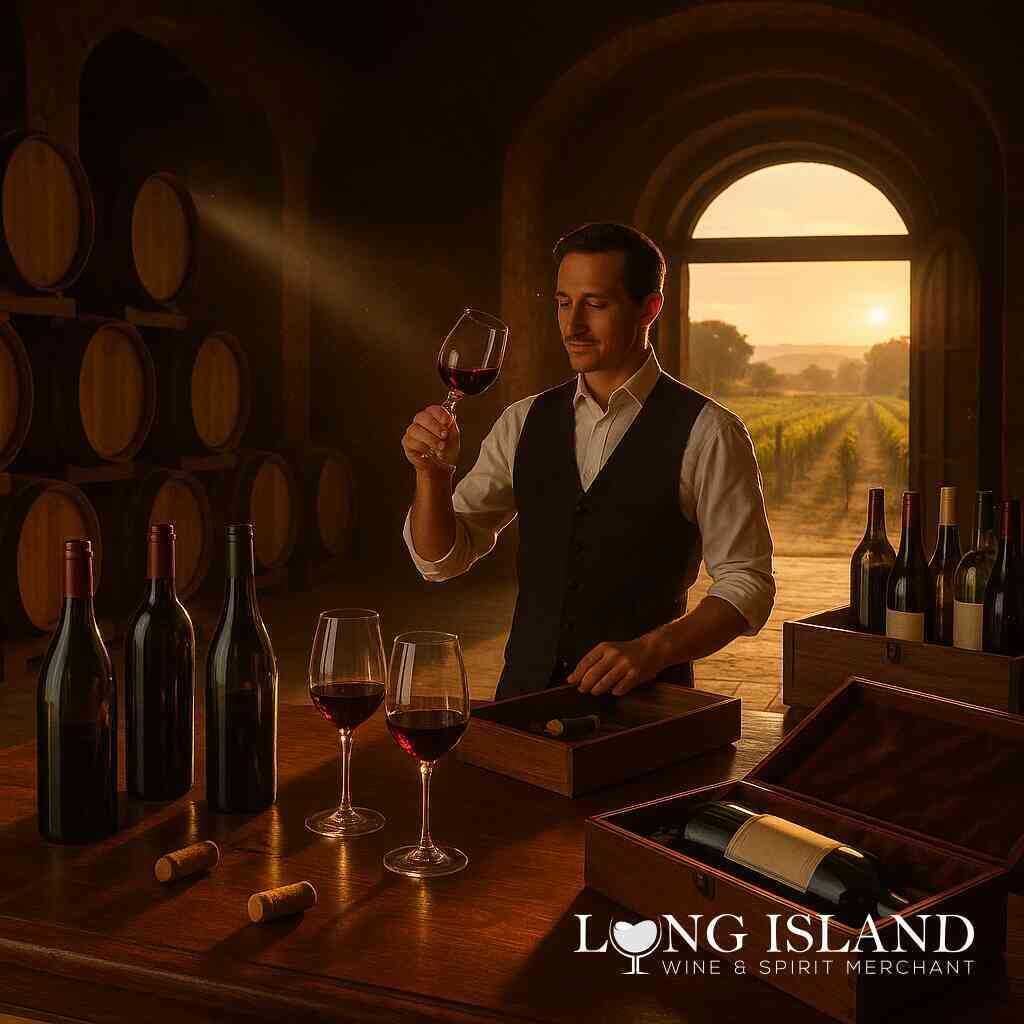
Fine wine used to be shorthand for high price and old age. Today it is more about provenance, transparency, and the pleasure a bottle delivers in the glass. This overview explains how Long Island Wine & Spirit Merchant curates, stores, and serves wines that meet a modern definition of excellence.
A Sommelier-Led Selection Process
Our buying team begins with blind tasting. Color, aroma, texture, and finish are scored against strict benchmarks. Bottles that pass are then investigated for:
- Provenance – verifiable supply chains from estate to store.
- Storage history – continuous temperature control from the winery door forward.
- Winemaker intent – notes on farming choices, barrel regime, and release strategy.
Only when all three areas align with quality goals does a wine earn shelf space. Because the process is repeated every month, even longtime favorites must continue to justify their place.
Respecting Terroir at Home and Abroad
Long Island’s sandy soils and maritime breezes create bright, mineral-driven Chardonnay, Merlot, and Cabernet Franc. Rather than treat these as novelties, the shop places them beside benchmark regions like Bordeaux and Napa. A single walkthrough might include:
- Peconic Bay Cabernet Franc showing red-berry lift.
- Pauillac classified growths offering graphite complexity.
- Howell Mountain Cabernet Sauvignon packed with mountain-fruit density.
By arranging bottles by style instead of only geography, guests can compare expressions of similar grapes across climates and decide what excites their palate.
Beyond Price: The Four Pillars of Modern Fine Wine
- Authenticity – Estate bottlings, single-vineyard lots, and small-production cuvées where the farmer and winemaker are often the same person.
- Sustainability – Organic, biodynamic, or regenerative farming practices that protect soil health and limit chemical inputs.
- Narrative Depth – Clear storytelling around culture, history, and craft so that enjoying the wine feels like visiting the vineyard.
- Reliability of Condition – Proper transport, dark storage, and humidity-controlled shelving that keep corks sound and fruit vivid.
Any bottle that balances those pillars—whether a crisp weeknight white or a cellar-worthy Nebbiolo—earns the descriptor “fine” in 2026.
Storage That Protects What You Buy
Fine wine loses value if mishandled. The Commack cellar maintains 55 °F and 65 % relative humidity year-round. Low-intensity LED lighting prevents UV spoilage, and vibration-dampening racks shield sensitive sediments. The same care extends to delivery vans fitted with mobile cooling units so the bottle you open at home tastes identical to one opened on site.
Proactive Inventory Rotation
A digital log tracks arrival date, tasting window, and peak maturity. Staff review the log weekly, moving bottles from display to back-cellar if they need additional aging. Conversely, when a wine hits its prime, shelf talkers flag “drink now” status so customers can capture optimal flavor.
Services Designed for Today’s Collector
- Same-day local delivery in climate-controlled vehicles.
- Nationwide temperature-controlled shipping for distant enthusiasts.
- Virtual pairing consultations via video chat for events large or small.
- Digital tasting notebooks emailed after purchase so buyers can record impressions and monitor cellar evolution.
Convenience complements craft, ensuring that building or maintaining a collection never feels daunting.
Spotlight on Boutique Discoveries
Small producers often communicate place more vividly than large factories. Recent additions include:
- North Fork Skin-Contact Pinot Gris – Fermented on skins for ten days, delivering apricot peel and gentle tannin.
- Santa Cruz Mountains Cabernet Sauvignon – Only four barrels made, combining coastal herbs with black-fruit depth.
- Etna Rosso from old-vine Nerello Mascalese – Volcanic smoke, sour cherry, and tight acid structure built for decanting.
Limited parcels mean these wines will disappear quickly, but similar gems follow as the sommelier team scouts new growers.
Pairing Guidance That Starts With You
Instead of reciting rigid rules, staff ask about the occasion, menu, and mood. From there they recommend:
- A floral Long Island Sauvignon Blanc for shellfish and sunset decks.
- A plush, cocoa-lined Argentine Malbec for rib-eye on the grill.
- A time-honored Taylor Port for blue-cheese dessert courses.
Clear suggestions on serving temperature, glassware, and decant time accompany each bottle so the experience at home mirrors tasting-room conditions.
What to Expect on Your First Visit
- Warm greeting and a quick walkthrough of layout—local wines, international classics, limited reserves.
- Tasting bar stop if the day’s flight is still pouring.
- Conversation with a certified specialist to narrow choices by flavor preference rather than price alone.
- Packing station where recyclable pulp shippers or wooden gift boxes secure your selections.
Even a five-minute visit can yield a standout bottle for dinner; a longer stay can settle an entire wedding list.
Key Takeaways
- Fine wine in 2026 is measured by authenticity, stewardship, and condition—not merely rarity.
- Long Island Wine & Spirit Merchant enforces a sommelier-driven vetting process and strict cellar protocols to preserve those values.
- Equal respect for local growers and global icons turns the store into a tasting tour without airfare.
- Modern services—temperature-controlled delivery, virtual consultations, digital tasting logs—make collecting approachable for anyone motivated by flavor and story.
Exploring fine wine should feel less like deciphering status codes and more like discovering art you can drink. With the right guidance and storage, every cork pulled becomes proof that craftsmanship and pleasure still belong together.
What Fine Wine Means at Long Island Wine & Spirit Merchant


Comments
Post a Comment