Brandy Origins Explained: A Long Island Tasting Guide
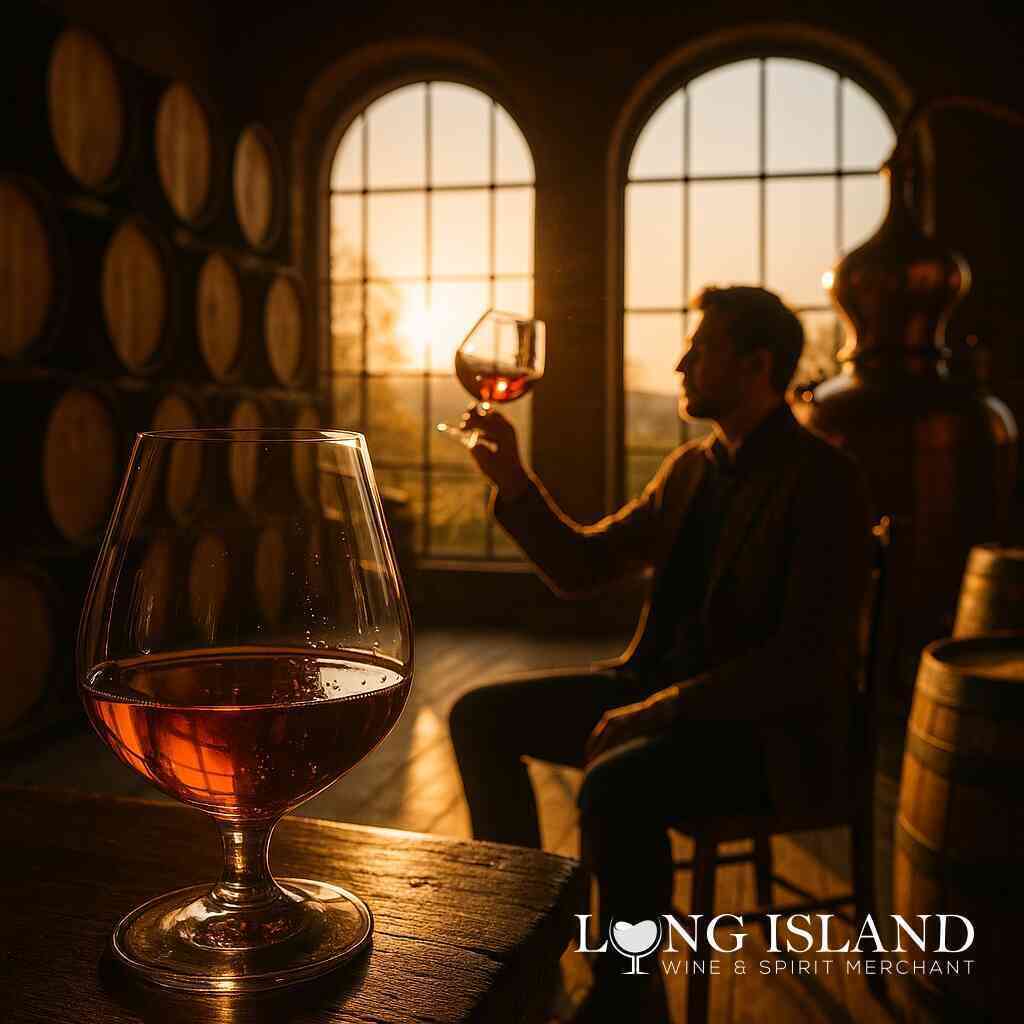
Discovering Brandy One Snifter at a Time
Brandy sits at the crossroads of wine, distillation, and patient oak aging. Understanding its origin stories makes every pour richer—especially when the bottle comes from a well-curated Long Island alcohol store. This guide breaks down the details that matter most: labels, grape varieties, still types, and regional signatures. By the end, comparing options on the shelf should feel less like guesswork and more like informed exploration.
Reading a Brandy Label Without the Jargon
A good label is a roadmap. Focus on three data points before price or packaging distracts you:
- Grape Variety – Ugni Blanc dominates Cognac, Palomino anchors Brandy de Jerez, and Folle Blanche or Colombard appear in smaller runs. The grape sets the baseline acidity, fruit tone, and texture.
- Appellation or Region – Names such as Grande Champagne, Borderies, or Penedès tell you about soil, climate, and local production rules.
- Age Statement – Most houses use the familiar codes:
• VS (Very Special) – at least two years in cask, bright and fiery.
• VSOP (Very Superior Old Pale) – four years or more, adding spice and subtle oak.
• XO (Extra Old) – ten years or greater, where dried fruit and rancio notes emerge.
Memorizing these three markers turns label reading into a quick diagnostic instead of a puzzle.
Grapes and Terroir: The Invisible Hand in Your Glass
Brandy starts life as wine, so vineyard character follows it into the still and later the barrel. Chalky soils in Cognac sharpen citrus and white-flower aromas. The sun-baked albariza of Andalusia pushes Brandy de Jerez toward fig, walnut, and toffee. Cooler Long Island plots, moderated by Atlantic breezes, keep base wines bright—an advantage when local distillers craft elegant apple or grape eaux-de-vie.
Sustainability matters too. Organic or biodynamic vineyards often pick earlier, preserving natural acidity that later translates to fresher, cleaner spirits. When you see an eco-certified seal on the shelf, expect lifted fruit and minimal need for sugary corrections in the final blend.
Pot Still vs. Column Still: Two Voices, One Spirit
Distillation gear plays a defining role:
- Pot Still – Works in batches, allowing congeners (the flavorful compounds) to remain. The result is rounder body, creamy texture, and pronounced baking-spice depth. Ideal for contemplative sipping.
- Column Still – Runs continuously, stripping lighter alcohol fractions from heavier ones. The output is lean, crisp, and highly mixable. Bartenders love it for Sidecars and highballs where weight can overwhelm citrus.
Taste them side by side and you will notice that a pot-still VSOP often feels richer than a column-still XO despite the age difference. Equipment choice can outweigh years in wood.
Key Regions to Know
Cognac, France
The benchmark for most shoppers. Six crus—from Grande Champagne in the center to Bois Ordinaires near the coast—offer subtle shifts in aroma and structure. Grande Champagne bottles lead with floral lift and laser-sharp acidity, while Borderies versions arrive softer and nuttier. Limousin or Tronçais oak supplies vanilla and toasted almond as the spirit rests.
Armagnac, France
Less polished, often single-distilled, and typically aged in gascon oak rich in tannin. Expect prune, cocoa, and a pleasantly rustic edge. Armagnac rewards drinkers who enjoy whiskey-like grip.
Brandy de Jerez, Spain
A warm climate spirit aged through the solera system—a cascade of barrels that blends young and mature stocks. Palomino grapes and ex-sherry casks create seamless notes of roasted hazelnut, dried fig, and caramel. Classification relies on average age: Solera, Solera Reserva, and Solera Gran Reserva.
American Craft Brandy
From California Colombard to Hudson Valley apple brandy, U.S. distillers embrace experimentation. Expect ripe orchard fruit, less rigid aging laws, and creative finishes in port or stout barrels.
Choosing the Right Bottle at a Long Island Shop
- Set Your Purpose – Cocktails? Look for a lighter column-still VS or a young American bottle. After-dinner sipping? A pot-still XO or Armagnac delivers depth.
- Taste in Flights – Many local stores pour ½-ounce comparisons. Sampling VS, VSOP, and XO from the same producer teaches more than reading tasting notes online.
- Ask About Recent Arrivals – Climate shifts affect harvest dates. In warmer vintages, cooler-climate brandies—Normandy Calvados or Finger Lakes grape brandy—offer welcome freshness.
- Balance Ethic and Budget – Eco-friendly labels exist under fifty dollars. These often show brighter fruit because minimal chemical inputs encourage healthier, more aromatic grapes.
Serving and Pairing Basics
- Glassware – Use a tulip or small wine glass rather than the oversized balloon. Concentrated rims focus aroma.
- Temperature – Room temperature is ideal; too warm emphasizes alcohol, too cold mutes complexity.
- Food Matches
• Blue cheese with raisin-rich XO.
• Dark chocolate alongside Armagnac.
• Almond tart with youthful, floral VSOP.
For cocktails, remember that lemon juice highlights the citrus core of column-still brandies, while pot-still versions excel in spirit-forward drinks like the Vieux Carré.
Sustainable Sipping: Why It Matters
Organic vineyards safeguard regional biodiversity—cover crops, hedgerows, and native yeast populations. Those elements translate into more expressive base wines, which distillers do not need to “correct” with heavy additives. Supporting these producers keeps local ecosystems intact and often leads to cleaner finishes on the palate.
Final Thoughts
Brandy rewards curiosity. A few label cues—grape, region, age—unlock endless nuance. Understanding the role of still type, oak, and vineyard practice turns buying a bottle from a Long Island alcohol store into a miniature world tour. Whether you favor the florals of Grande Champagne, the toffee of Jerez, or the orchard freshness of an upstate apple brandy, the knowledge above will lead you to a spirit that speaks clearly of its origin. Pour a modest measure, cradle the glass, and let the story unfold.
Decoding Brandy Origins with Long Island Alcohol Store


Comments
Post a Comment