What Scotch Whiskey Really Means and Why It Matters
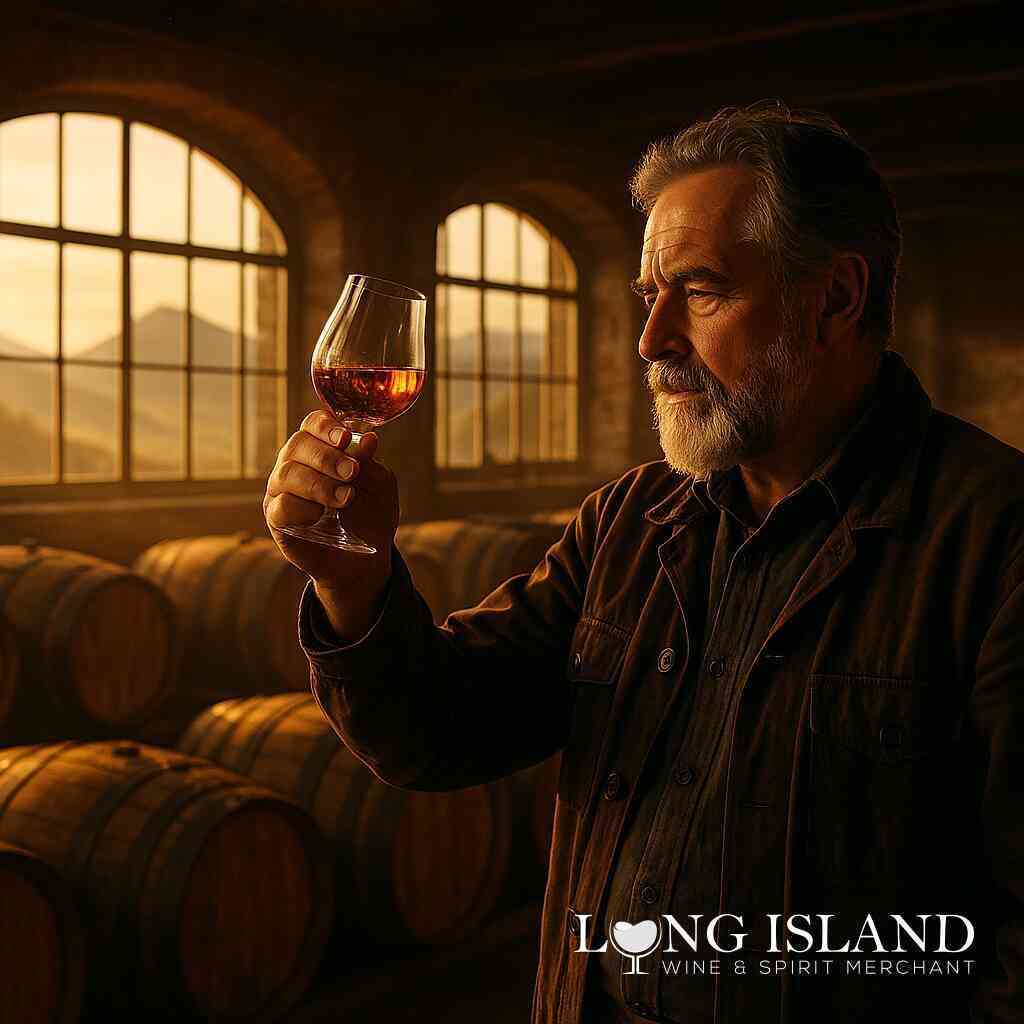
What Scotch Whiskey Really Means and Why It Matters
Scotch whiskey is one of the most recognized spirits in the world, yet many people are unclear about what actually defines it. This overview breaks down the core definition, production methods, and variety types that make Scotch a category worth understanding.
The Legal Definition of Scotch
Not every whiskey can be called Scotch. To earn that designation, a whiskey must meet a specific set of legal requirements:
- Produced exclusively in Scotland
- Aged for a minimum of three years in oak barrels located within Scotland
- Made from malted barley as a primary grain ingredient
- Distilled to no more than 94.8% alcohol by volume
- Bottled at a minimum of 40% alcohol by volume
These are not suggestions — they are binding standards that protect the integrity of the category. Any spirit that does not meet all of these criteria cannot legally be labeled as Scotch whiskey.
Scotch vs. Whiskey: Clearing Up the Confusion
A common source of confusion is the relationship between Scotch and whiskey. Here is the simplest way to understand it:
All Scotch is whiskey, but not all whiskey is Scotch.
Whiskey is a broad category that covers distilled grain spirits produced around the world — including American bourbon, Irish whiskey, Japanese whiskey, and Canadian whisky. Each has its own rules and flavor profiles.
Scotch is a subcategory defined by its geographic origin and production method. The type of water used, the regional climate, the peat content of the local environment, and the traditional distilling techniques all combine to give Scotch a character that is genuinely distinct from other whiskeys.
How Scotch Is Made
The Distillation Process
Scotch production typically begins with malted barley that has been soaked, germinated, and dried. In some regions, peat is burned during drying, which gives certain Scotch expressions their signature smoky quality.
After drying, the grain is mashed with hot water to extract fermentable sugars. Yeast is added to the resulting liquid, which ferments over several days. The fermented wash is then distilled — usually twice — in copper pot stills. These stills play a significant role in shaping the final flavor.
The Aging Process
Once distilled, the spirit is transferred into oak barrels for aging. This step is where much of the complexity develops. As the spirit rests in wood over years, it absorbs compounds from the cask that contribute color, texture, and layered flavor.
The type of cask matters greatly. Common options include:
- Ex-bourbon barrels — contribute vanilla and caramel notes
- Sherry casks — add dried fruit and richness
- Port or wine casks — introduce fruit-forward sweetness
Cask selection is a deliberate decision by the distillery and has a major influence on what ends up in the bottle.
Scotland's Five Whiskey Regions
Scotland is divided into five officially recognized whiskey-producing regions, each with its own flavor tendencies:
- Highlands — The largest region, producing a wide range of styles from light and floral to robust and peaty.
- Speyside — Located within the Highlands but distinct enough to stand alone. Known for elegant, fruit-forward, and approachable expressions. Home to many of Scotland's most famous distilleries.
- Lowlands — Lighter and more delicate in style, often with grassy or floral notes.
- Islay — Famous for heavily peated, smoky Scotch with maritime and medicinal qualities.
- Campbeltown — A small but historically significant region with briny, complex expressions.
Understanding these regions helps guide selection. Someone who prefers a lighter, easy-drinking Scotch may gravitate toward Lowlands or Speyside, while those drawn to bold smoke may prefer Islay.
Single Malt vs. Blended Scotch
These are the two primary style categories within Scotch:
Single Malt Scotch is produced at a single distillery using only malted barley and water. It reflects the unique character of that specific distillery and its region.
Blended Scotch combines whiskies from multiple distilleries. Master blenders carefully balance these components to achieve a consistent and well-rounded flavor profile. Blended Scotch accounts for the majority of global Scotch sales and is often the entry point for new enthusiasts.
Neither is superior to the other — they simply offer different experiences.
Why This Knowledge Matters When Buying Scotch
Knowing what defines Scotch helps you make informed choices rather than selecting based purely on label design or price. Understanding the difference between a heavily peated Islay expression and a smooth, fruit-forward Speyside can significantly change your enjoyment.
Whether you are new to Scotch or refining an existing appreciation, taking time to learn these fundamentals gives every pour more meaning. The category rewards curiosity, and each bottle tells a story rooted in place, process, and time.
What Is the Definition of Scotch at Long Island Alcohol Store


Comments
Post a Comment