Fine Wine on Long Island: What Makes It Exceptional
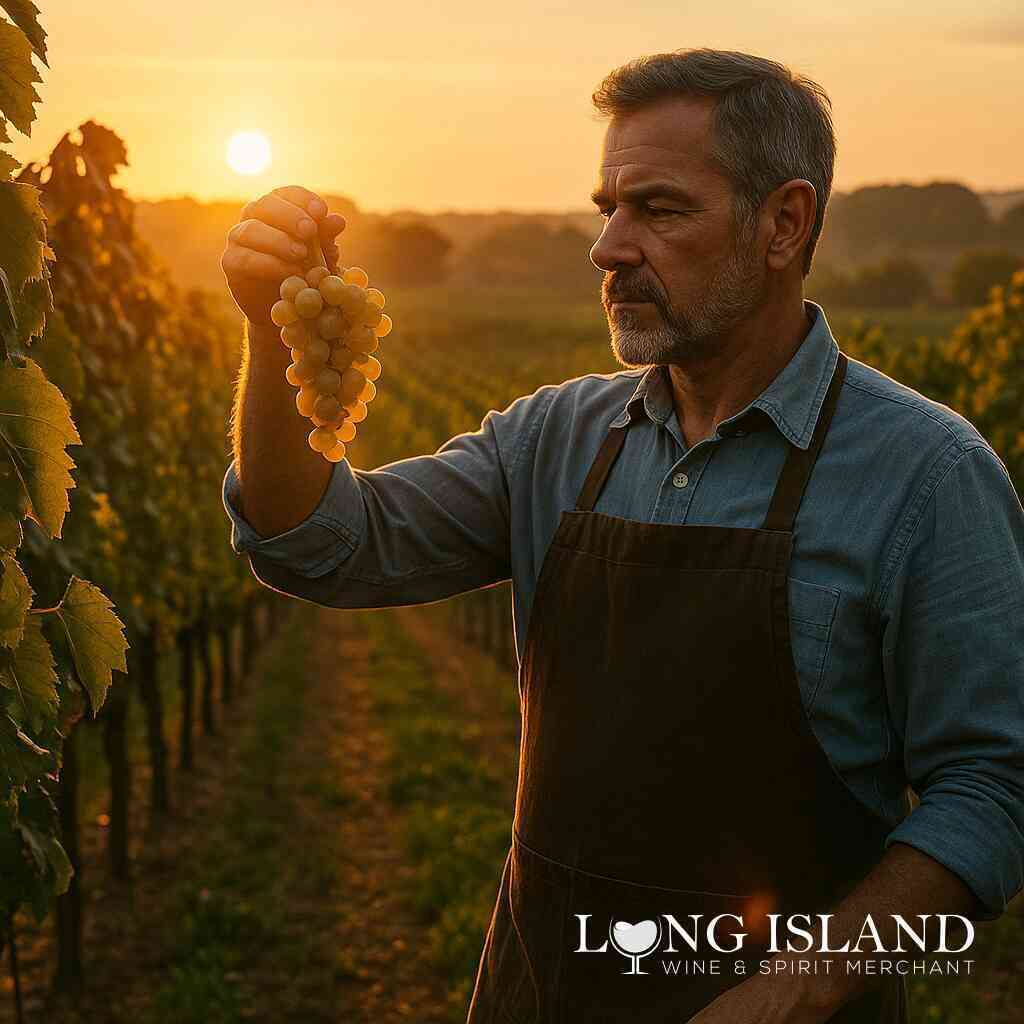
Fine Wine on Long Island: What Makes It Exceptional
Long Island has earned a genuine reputation as one of the most compelling wine regions on the East Coast. This overview explores what defines fine wine in this unique setting, how the region's vineyards produce it, and how to select and enjoy it with confidence.
The Culture Behind Long Island Wine
Long Island's wine identity is shaped by more than just grapes and geography. It reflects decades of dedicated craftsmanship and a deep respect for the land. The island sits at the intersection of maritime and continental climate influences, which creates a growing environment that is genuinely well-suited to viticulture.
This combination of cool breezes from the Atlantic and Long Island Sound, combined with well-drained soils, produces grapes with excellent natural acidity and depth. The result is wine that carries real character — not just pleasant flavors, but a sense of place.
Wine culture here is community-driven. Local vineyards frequently host educational events and tastings that invite both new drinkers and seasoned enthusiasts to deepen their understanding.
What "Fine Wine" Actually Means
The term gets used loosely, but from a connoisseur's standpoint, fine wine comes down to a few consistent qualities:
- Balance — no single element overpowers the others
- Complexity — multiple layers of flavor that evolve in the glass
- Terroir expression — a clear reflection of where the wine was grown
- Aging potential — the structure to develop further over time
- Craftsmanship — intentional decisions at every stage of production
On Long Island, these qualities are not reserved for the most expensive bottles. Many mid-range offerings from regional producers meet this standard because of the care put into growing and winemaking.
Grape varieties like Merlot, Cabernet Franc, and Chardonnay have found a particularly strong home here. Merlot, for instance, thrives in the island's climate and produces wines with soft tannins, rich fruit, and well-integrated oak when aged properly.
How Long Island Vineyards Craft Quality Wine
Local vineyards approach winemaking with a clear focus on sustainable practices. Many producers use responsible land management to protect soil health and reduce chemical inputs. This not only benefits the environment — it also contributes to the quality of the grapes themselves.
Winemakers on Long Island are willing to experiment. Blending techniques, fermentation choices, and barrel aging programs are all areas where local producers push boundaries while still respecting tradition. This balance between innovation and heritage is part of what makes the region's wines distinctive.
For buyers, understanding these practices helps explain why certain bottles command more attention. A wine made from hand-harvested grapes, fermented with native yeasts, and aged in French oak tells a different story than a mass-produced alternative.
Selecting Fine Wine: Practical Guidance
Choosing the right bottle becomes easier when you know what to look for. Here are a few practical approaches:
Start with the Occasion
A casual weeknight dinner calls for something different than a celebratory gathering. Lighter, food-friendly wines work well for everyday meals. Fuller-bodied, more structured wines suit special occasions where the bottle itself becomes part of the experience.
Consider the Vintage and Producer
Not all years produce equally impressive results. Getting familiar with producers known for consistency across vintages helps reduce guesswork. Local wine shops and online platforms that specialize in Long Island wines often provide this kind of guidance.
Explore Hidden Gems
Well-known labels are reliable, but smaller boutique vineyards on Long Island frequently produce limited-edition wines that offer exceptional value and originality. Seeking these out adds diversity to any collection.
Use Bespoke Selection Services
Many specialty wine retailers now offer personalized selection services where knowledgeable staff help match wines to your taste preferences, budget, and intended use. This is especially useful if you are building a cellar or selecting wines for a dinner party.
Pairing Long Island Wines with Food
Wine pairing is more intuitive than it might seem. A few foundational principles apply well to Long Island wines:
- Long Island Chardonnay pairs beautifully with seafood, roasted chicken, and creamy pasta dishes.
- Merlot and Cabernet Franc complement grilled meats, roasted vegetables, and aged cheeses.
- Rosé from local producers works across a wide range of lighter fare, from salads to shellfish.
The goal is to find balance between the wine and the food — neither should overwhelm the other.
Ordering Fine Wine Online
Online platforms have made access to Long Island wines significantly easier. Specialty alcohol delivery services allow buyers to explore curated selections, read producer notes, and order directly to their door without visiting a physical store.
This convenience does not mean sacrificing quality. Reputable platforms stock genuine fine wine and provide transparent information about producers, varietals, and tasting notes. For Long Island residents and enthusiasts across the region, this is a straightforward way to discover new bottles and revisit trusted favorites.
Long Island's wine scene continues to grow in 2026, with producers refining their craft and reaching broader audiences through both local retail and online channels. Whether you are new to the region's wines or a longtime admirer, there is always something worth exploring in this distinctive corner of the American wine landscape.
What Is Fine Wine for Long Island via Order Alcohol Online


Comments
Post a Comment