Building a Long Island Home Bar: Spirits, Wines & Setup Tips
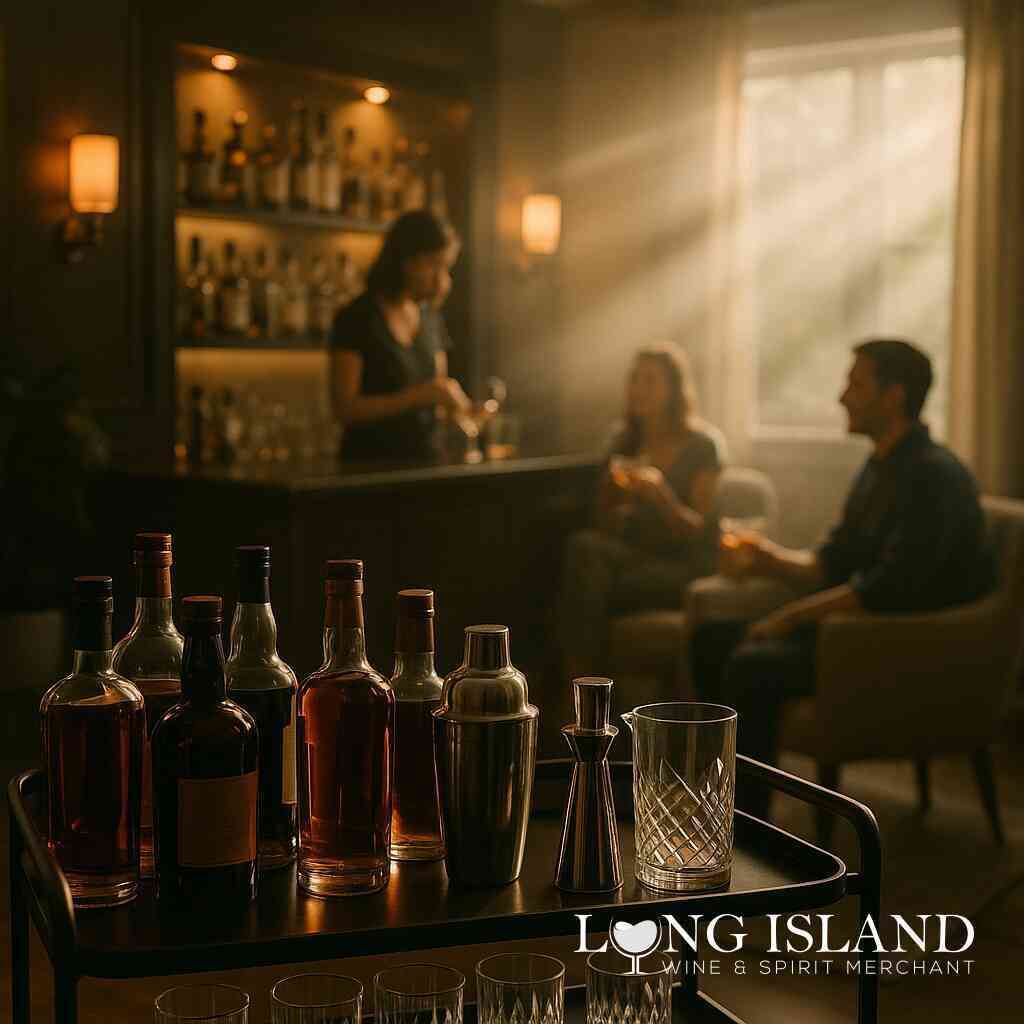
Building a Long Island Home Bar: Spirits, Wines & Setup Tips
Setting up a home bar on Long Island is about more than collecting bottles — it's about creating a thoughtful space stocked with the right spirits, tools, and wines to suit any occasion. Whether you're an experienced host or just getting started, this overview breaks down exactly what you need to build a bar worth gathering around.
Start with the Right Tools and Bar Cart Essentials
Before selecting a single bottle, make sure your bar cart is properly equipped. The right tools make cocktail preparation easier and more consistent.
Core barware you'll need:
- Cocktail shaker
- Jigger for precise measuring
- Muddler for herbs and fruit
- Strainer
- Bar spoon
Glassware to cover your bases:
- Highball glasses
- Lowball (rocks) glasses
- Martini glasses
- Wine glasses
Beyond hardware, stock a variety of mixers, bitters, and fresh garnishes like citrus wedges, herbs, and olives. These small additions elevate the quality of any drink significantly.
How to Choose Specialty Spirits for Your Collection
A well-rounded home bar covers the major spirit categories so guests with different preferences always have something to enjoy.
Whiskey
Whiskey is a cornerstone of most home bars. Begin with a smooth bourbon and a peaty scotch as your foundation. From there, consider branching into Japanese or Irish whiskeys, which offer distinctive flavor profiles. Limited-edition releases and single-malt expressions add interest for guests who appreciate more nuanced sipping experiences.
If you're curious about flavor differences between aging styles, comparing bourbon cask ages is a great way to develop your palate and make more informed purchasing decisions.
Gin
Gin is one of the most versatile spirits for cocktail making. Look for bottles with botanical profiles that appeal to you — options range from floral and herbal to citrus-forward and juniper-heavy. Pair your gin with both classic and flavored tonics, and don't overlook garnishes like cucumber, fresh lime, or dried juniper berries. These finishing touches turn a simple drink into something memorable.
Tequila and Mezcal
For tequila lovers, a solid starting selection includes blanco, reposado, and añejo expressions. Each offers a different character — blanco is clean and bright, reposado adds light oak notes, and añejo brings depth from extended barrel aging. Mezcal is worth including for its smoky complexity, particularly for guests who enjoy more adventurous sipping. Pair a tequila tasting with spicy or citrus-forward snacks to enhance the experience.
Vodka and Rum
Vodka's neutrality makes it essential for a wide range of cocktails. Choose a quality bottle that mixes well without overpowering other ingredients. Rum brings versatility in a different direction — light rums work well in tropical drinks, while dark and aged rums offer more complex flavors suited to sipping or stirred cocktails.
Building a Wine Selection That Works for Every Occasion
A home bar isn't complete without wine. The goal is a flexible selection that covers different food pairings and guest preferences.
A practical starting wine selection:
- A full-bodied red, such as a cabernet sauvignon or malbec
- A crisp white, such as a sauvignon blanc or pinot grigio
- A dry rosé for warmer months and lighter fare
- A sparkling option for celebrations
As your collection grows, explore regional varieties and small-production wines that reflect your personal taste. Proper storage — cool temperatures, away from direct light — preserves quality and protects your investment.
Designing a Home Bar Space That Invites Conversation
The physical setup of your home bar matters as much as what's in it. A well-designed space makes guests feel comfortable and encourages them to linger.
Key design considerations:
- Location: A kitchen corner, finished basement, or dedicated room all work well.
- Lighting: Adjustable or dimmable lighting helps set the right mood for different occasions.
- Storage: Use open shelving for bottles you want to display and closed cabinets for overflow stock.
- Décor: Vintage bar signs, artwork, or a themed color palette adds personality without clutter.
Keep the layout functional. Guests should be able to see what's available, and the host should have easy access to tools and ingredients without disrupting the flow of conversation.
Final Thoughts
Building a Long Island home bar is a rewarding process that combines practical setup with personal taste. Start with foundational spirits and expand based on what you and your guests enjoy. Invest in quality tools, thoughtful glassware, and a well-chosen wine selection. Then design your space with comfort and conversation in mind. Done right, a home bar becomes one of the most-used and most-appreciated rooms in the house.
How to Build a Long Island Home Bar via Liquor Store Open


Comments
Post a Comment