Long Island Whiskey Trends: Craft Ryes, Cask Strength & More
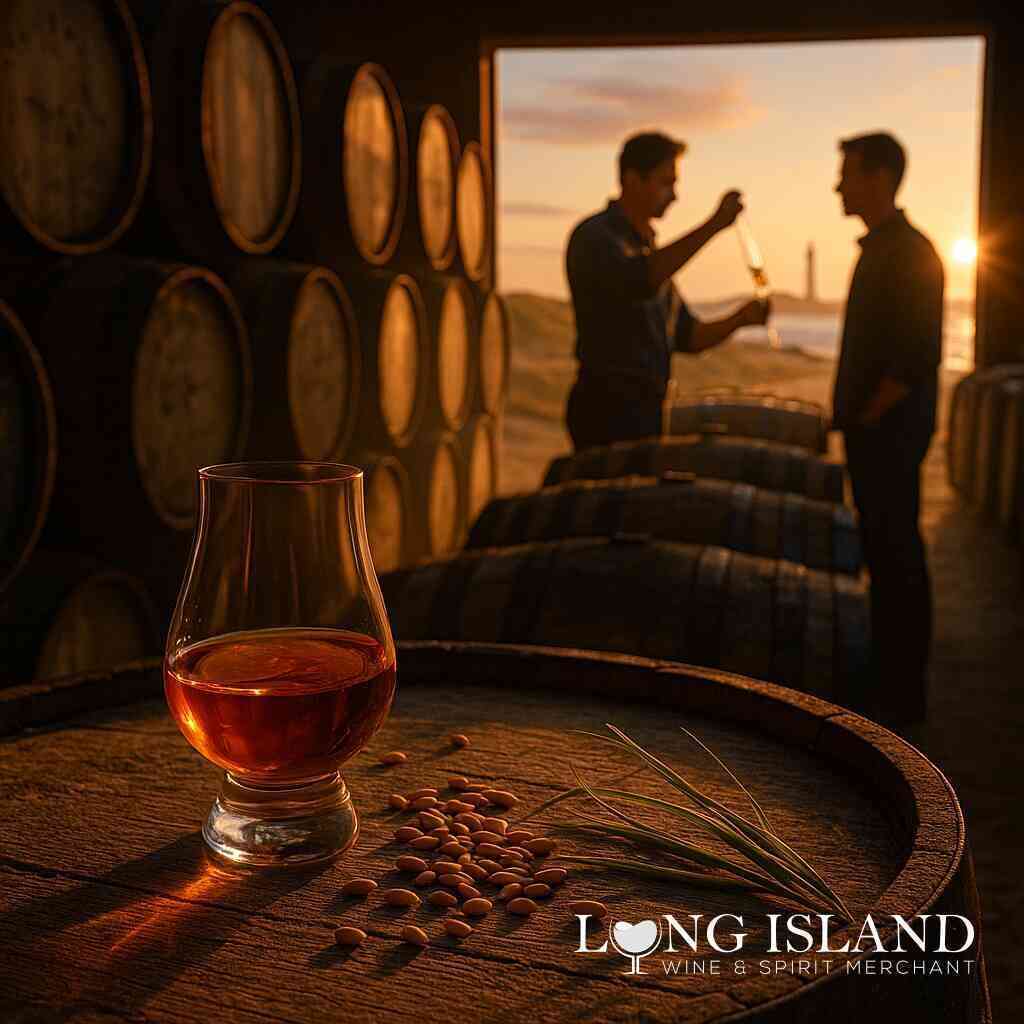
Tracking the New Whiskey Wave on Long Island
Long Island whiskey has moved from a niche curiosity to a headline spirit. Grain-to-glass distillers, data-savvy retailers such as Liquor Store Open, and adventurous consumers are driving a rapid shift toward bold, locally expressive bottles.
Why Palates Are Evolving in 2026
Two forces reshape the island’s spirits shelf:
- Migration of urban professionals. New residents bring an appetite for variety, having explored global drams in city cocktail bars.
- Agricultural storytelling. Family farms now plant non-GMO corn, heritage rye, and even heirloom wheat. Shoppers taste the difference and value the sustainability narrative.
The result is clear: former vodka loyalists now hunt for single-barrel bourbon, while Chardonnay drinkers explore spicy rye in Manhattan riffs.
What Liquor Store Open’s Dashboards Reveal
Liquor Store Open collects real-time purchase data across Commack and neighboring towns. Several patterns stand out:
- Proof creep. Standard 80-proof bottles still sell, yet the fastest growth comes from 100–115-proof “small-batch” lines.
- Seasonal spikes. Barrel-strength bourbon gains momentum as soon as the first cool front hits in September. Retailers plan inventory in midsummer to meet that surge.
- Cask-finish curiosity. Honey-soaked port barrels, stout casks, and sea-salted staves receive the highest online page views, showing a willingness to pay for complexity.
Using these insights, buyers adjust shelf sets weekly, keeping allocations fresh and preventing dusty bottles.
Spotlight on the New York Rye Revival
Rye once dominated pre-Prohibition New York. Today it returns with a modern twist:
- Climate advantage. Coastal breezes promote slow, even grain maturation, adding subtle salinity that pairs well with rye’s natural spice.
- Hybrid stills. Many Suffolk County producers use both column and copper pot stills. The column captures a clean backbone; the pot preserves fruity congeners.
- Transparent practices. Open-fermentation photos and barrel-char specs appear on distillery social feeds, building consumer trust.
Award judges have noticed. Several Long Island ryes now stand shoulder-to-shoulder with Kentucky stalwarts in blind tastings.
Small-Batch Bourbon vs. Cask-Strength Curiosities
Tasting flights organized by Liquor Store Open often begin with a 94-proof small batch, then move to a 120-plus-proof single barrel. The contrast teaches drinkers to recognize:
- Blend balance (small batch) versus single-barrel personality (cask strength).
- How minor proof differences unlock vanilla, dark cherry, or pepper notes.
- The role of water: a few drops can expand flavor without muting character.
Customers who follow this progression tend to trade up permanently, valuing flavor density over brand fame.
How Retailers Curate a Better Shelf
A data-driven bottle lineup matters more than stocking every national label. Key strategies include:
1. Flavor Mapping
Retail staff log customer quiz answers—charred oak, dried fruit, cocoa—then tag bottles with matching profiles. New visitors receive tailored suggestions within minutes.
2. Agile Buying
Limited releases drop with little notice. By monitoring social chatter and distributor allocations, Liquor Store Open secures cases before hype peaks, keeping prices reasonable.
3. Education First
Virtual tastings ship three-ounce sample kits statewide. Distillers walk attendees through mash bills, yeast strains, and barrel charts. Engagement rates remain high because sessions feel like a collaborative deep dive, not a sales pitch.
4. Sustainable Storytelling
Shoppers increasingly ask about farm practices and barrel sourcing. Retailers highlight bottles that use solar-powered stills or recycled oak, turning sustainability into a tangible flavor benefit.
Practical Tips for Exploring Long Island Whiskey
- Start light, finish bold. Open with an 86-proof wheated bourbon before tackling a 58 percent rye.
- Use a tulip glass. The narrow rim concentrates delicate floral esters.
- Add water gradually. A measured splash can reveal caramel or orchard fruit otherwise hidden by alcohol heat.
- Track your palette. Keep a notebook or app listing mash bill, proof, wood type, and tasting notes.
- Attend local releases. Many distilleries host quarterly bottle signings; early attendees often receive exclusive single barrels.
What to Watch Next
Trend lines suggest three developments worth following through the rest of 2026:
- Smoked grain experiments. Several distillers are toasting rye over applewood, inspired by mezcal production.
- Alt-grain mash bills. Expect spelt and triticale to appear as secondary grains, boosting texture.
- Lower-impact packaging. Lightweight glass and paper-based closures aim to cut shipping emissions without sacrificing shelf appeal.
Final Thought
Long Island’s whiskey scene now stands on equal footing with more established regions, aided by tech-forward retailers and a community eager to taste the local landscape. Whether you lean toward spice-rich rye, silky wheated bourbon, or briny cask finishes, the island offers a pour that feels both distinctive and forward-looking.
Comparing Long Island Whiskey Trends via Liquor Store Open
Comments
Post a Comment