Ultimate Wine Pairing at Long Island Liquor Store Explained
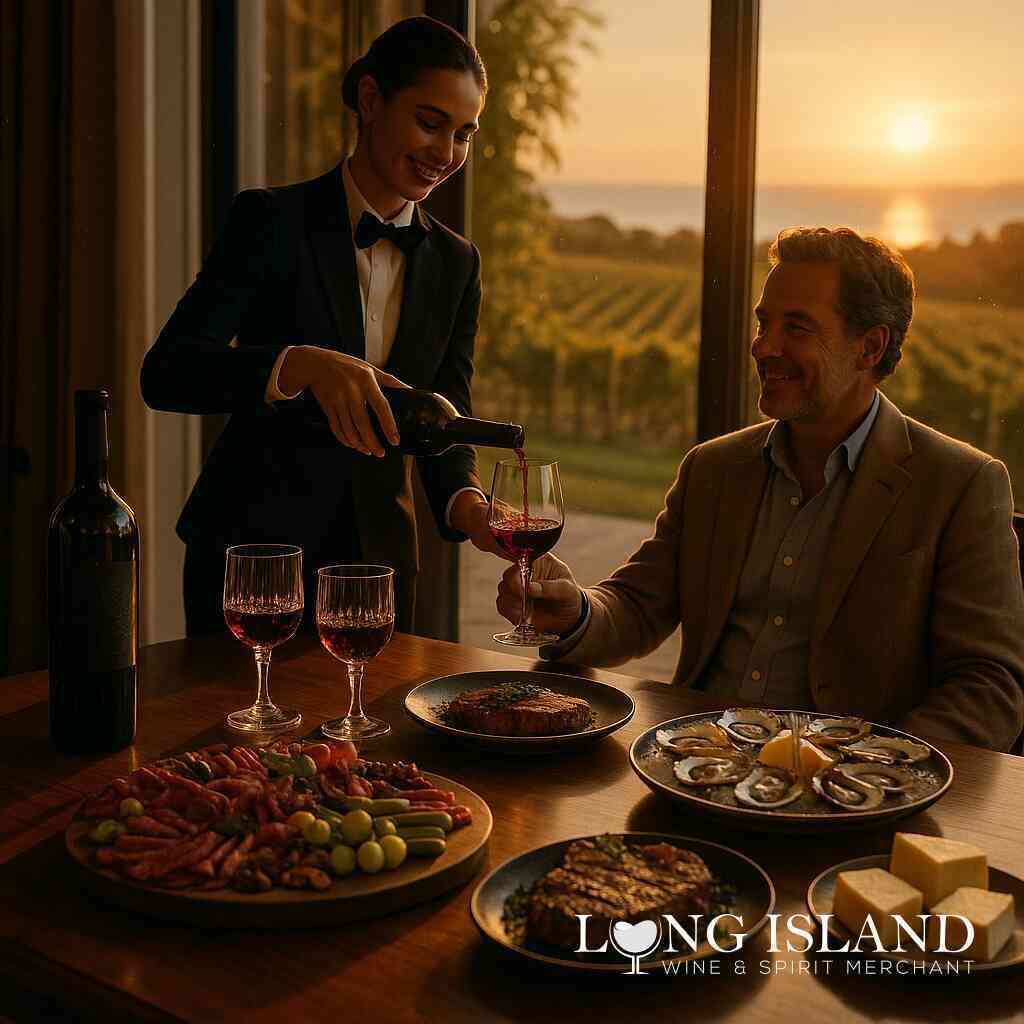
Why Pairing Matters More Than Ever
A well-chosen wine does more than wash down food. It sharpens flavors, adds texture, and can even change how sweet or salty a dish tastes. Long Island Liquor Store in Commack approaches this idea with a system they simply call the "ultimate pairing method"—a process that combines conversation, sensory mapping, and thoughtful logistics so every bottle lands on the table at its best.
A Three-Step Framework
Long Island Liquor Store’s approach unfolds in three practical steps. Each step sounds simple, yet it reflects years spent studying grape chemistry, customer feedback, and everyday cooking habits around Suffolk County.
1. Personal Flavor Mapping
The experience begins with questions, not recommendations. Associates or an in-store tablet quiz ask about everyday preferences—coffee roast, favorite fruit, go-to takeout cuisine. Those clues reveal a guest’s comfort zone for acidity, tannin, and sweetness: the core taste dimensions that make or break a pairing.
• Bright fruit lover? Expect suggestions leaning toward New Zealand sauvignon blanc or Willamette pinot noir.
• Prefer dark chocolate and espresso? The staff may guide you toward Napa cabernet, Douro red blends, or oak-influenced tempranillo.
The quiz converts answer patterns into a color-coded palate profile. Visitors leave knowing, for example, that they prefer “medium-plus acidity, low residual sugar, and fine-grain tannins.” That knowledge travels with them for every future purchase.
2. Context-Driven Recommendations
Once flavor preferences are clear, context takes over. What is being cooked tonight? How many guests? Is it a weeknight pasta, a smoke-heavy barbecue, or a holiday roast goose? Food weight, sauce intensity, and cooking method all influence a wine’s perceived balance.
Associates use a quick checklist:
- Weight vs. Weight – Light dishes match light-bodied wines; rich dishes need concentration.
- Flavor Bridge – Herbs, spices, or marinades should echo an aroma already in the wine.
- Contrast or Complement – High-acid whites cut through butter sauces; velvety reds complement char.
By layering this checklist on top of the palate profile, the store can narrow several hundred labels to a handful that truly fit the moment. Shoppers no longer browse aimlessly; they evaluate bottles with a purpose.
3. Seamless Fulfillment
A perfect match still fails if the bottle arrives too warm, too cold, or too late. For that reason, Long Island Liquor Store treats delivery as the final chapter in pairing. Bottles are packed in insulated sleeves, then placed in temperature-controlled vans. Same-day service across Suffolk County lets hosts pivot quickly when plans change—think rosé for a sudden beach picnic or malbec for a surprise steak night.
The Science Behind the Method
Under the friendly counter service lies real research. Staff reference aroma compound charts that link molecules (like pyrazines or terpenes) with human perception: bell-pepper notes in cabernet franc, or floral lift in gewürztraminer. They also track customer reorder patterns. If dozens of guests with similar quiz profiles keep returning for a certain Austrian grüner veltliner, that data reinforces future suggestions.
Tannin thresholds offer another example. Many people find firm tannins pleasant with fatty meat yet harsh on their own. Knowing a guest’s tolerance lets associates decide whether a left-bank Bordeaux is brave or a Barbera is safer.
What Makes It "Ultimate"
Calling a method "ultimate" can sound like marketing fluff. In this case, three traits earn the label:
- Individual Focus – No one is handed the same generic merlot because it’s on sale. Every bottle traces back to the guest’s own answers.
- Continuous Learning – Staff record feedback after each purchase. Did the syrah overpower the salmon? That note adjusts the algorithm for future picks.
- Doorstep Precision – Climate-smart delivery ties the whole chain together so the cork pops in ideal condition.
Tips to Use the Method Like a Pro
Even first-time visitors can get more from the experience with a little preparation:
- Bring notes or photos of the dish you plan to cook.
- Mention any sauce or spice details; they often steer acidity decisions.
- Share budget limits up front. The staff can then balance ambition with practicality.
- After tasting, jot quick impressions—too oaky, not fruity enough—and mention them next visit.
These habits accelerate the feedback loop and sharpen future matches.
Beyond Traditional Food Pairing
The store’s framework isn’t limited to wine. If a customer is smoking brisket and prefers craft bourbon to cabernet, the same mapping applies: sweetness, barrel spice, and proof level replace acidity and tannin. The goal is always harmony on the palate, no matter the beverage category.
Seasonal Shifts to Watch in 2025
While fundamentals stay constant, seasonal produce can nudge pairings in fresh directions:
- Spring 2025 – Local asparagus and pea risotto favor mineral-driven sauvignon blanc from the Loire.
- Summer 2025 – Rosé with taut acidity meets grilled tuna and herb salads.
- Fall 2025 – Fuller whites like Rhône marsanne elevate squash soups and roasted turkey.
- Winter 2025 – High-altitude malbec or aged Rioja complements stews and root vegetables.
Tuning choices to the calendar keeps meals exciting without repeating the same varietals.
Final Takeaway
Long Island Liquor Store’s ultimate wine partnering method works because it replaces guesswork with structure—yet keeps the human element front and center. Personal flavor mapping establishes a clear taste baseline. Context-driven recommendations honor what will actually be served at the table. Temperature-controlled delivery ensures the wine you ordered is the wine you taste.
For anyone who has ever stared at a massive wall of bottles and felt uncertainty creeping in, this process turns the liquor store aisle into an extension of the dining room: focused, informative, and aligned with real life. Whether the evening calls for oysters and crisp white or slow-cooked lamb and dark, brooding red, the path from shelf to glass becomes both simpler and more rewarding.
What Is the Ultimate Wine Partnering Method at Long Island Liquor Store


Comments
Post a Comment