Long Island Wine Hidden Gems: A Guide to Boutique Bottles
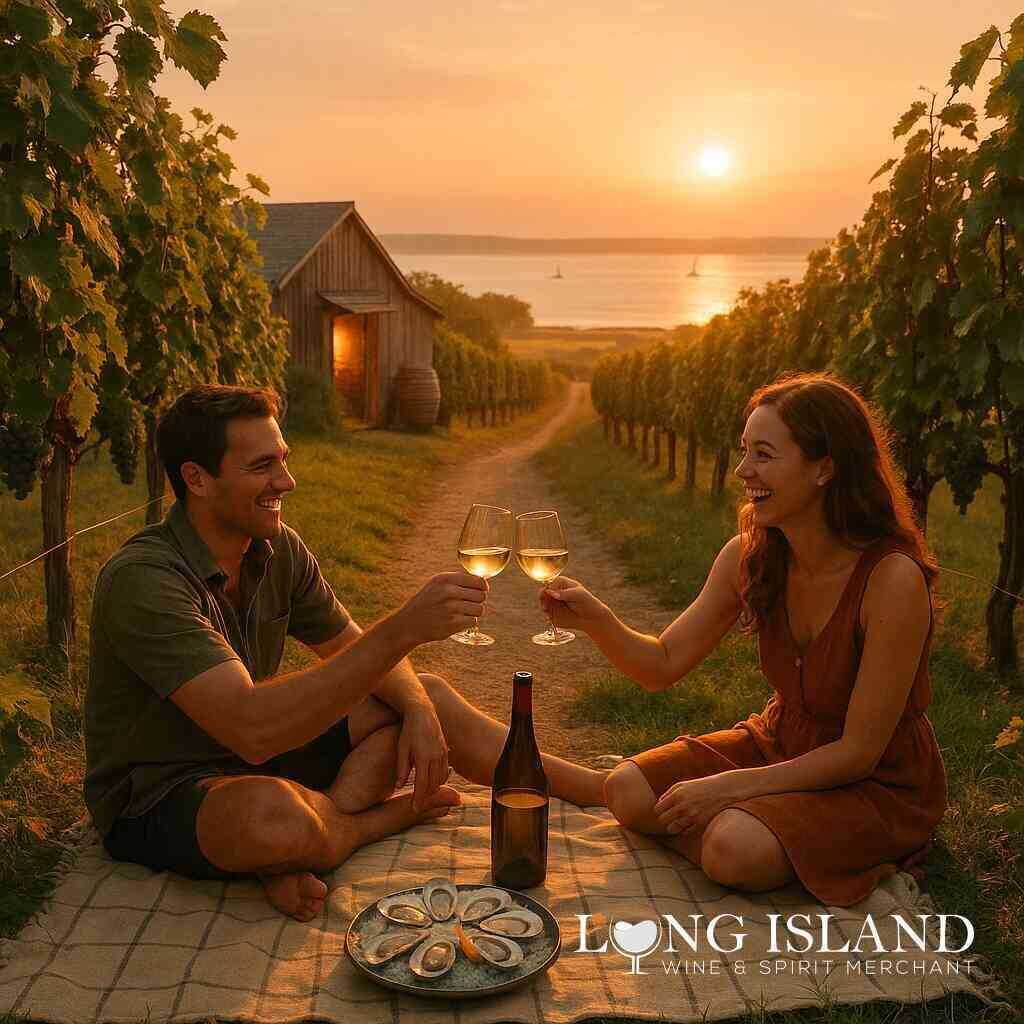
Discovering Long Island’s Quiet Wineries
Long Island is best known for sandy beaches and summer crowds, yet its back-road vineyards hold some of the Northeast’s most distinctive wines. This guide shows how to uncover small producers whose bottles rarely travel farther than a few local shelves. Along the way you will learn what defines the region’s maritime terroir, which grapes excel, and how to plan a tasting route that feels personal rather than packaged.
Why Seek Out the Smaller Producers?
- Character in the glass. Boutique estates work with tiny parcels, often fermenting each block separately. The result is wine that carries a vivid sense of place—salt-laced breezes, dune herbs, even the snap of fall air after harvest.
- Fresh perspective. Because limited runs sell close to home, winemakers do not chase national trends. You are more likely to taste an experimental skin-contact pinot gris or a barrel-aged pét-nat than a safe supermarket blend.
- Environmental intent. Many hidden vineyards use low-impact farming. Cover crops replace herbicides, and irrigation is minimal thanks to humid sea air. Buying their wine supports practices that keep groundwater and wildlife healthy.
- Deeper tasting memory. Sampling side by side—say, two cabernet francs grown a mile apart—sharpens your palate. Over time you begin to link flavor shifts to soil, slope, and breeze, gaining skills that enrich any future pour.
Understanding Maritime Terroir
Long Island’s narrow fork sits between Long Island Sound and the Atlantic. Water moderates summer highs and winter lows, extending the growing season and slowing ripening. Grapes retain acidity, yet achieve aromatic depth. Key influences include:
- Sea spray. Salt particles settle on skins, especially near Peconic Bay. After fermentation they translate to a subtle saline edge—most obvious in dry riesling and sparkling rosé.
- Sandy loam soils. Fast-draining sands force roots downward in search of moisture. Vines stay naturally limited, concentrating flavor without excessive alcohol.
- Coastal humidity. Fog rolls in at dawn, tempering heat stress. Late-season botrytis can appear on riesling and gewürztraminer, opening the door for luscious dessert wines.
Grapes to Watch in 2025
- Chardonnay (unoaked). Forget buttery stereotypes. Stainless-steel versions show green apple, lemon pith, and a cleansing mineral finish that pairs beautifully with local shellfish.
- Cabernet Franc. Cool nights lock in pepper and red-berry tones. Gentle tannins make this a year-round red—lightly chilled in summer, room temperature in winter stews.
- Sauvignon Blanc. Micro-parcels near hedgerows pick up bay leaf and lime zest. Crisp structure makes it a natural with goat cheese or grilled vegetables.
- Riesling. The region’s rising star. Dry examples race with lime and wet slate; late-harvest rounds into honeyed apricot for holiday desserts.
- Pét-Nat Rosé. Many small cellars experiment with ancestral-method sparkling. Expect watermelon, white pepper, and gentle fizz that feels like seaside spray.
Planning Your Hidden-Gem Tasting Route
1. Start Early, Drive Slow
Popular main roads clog by noon in peak season. Set out before 10 a.m. and turn onto the lesser-marked gravel lanes. These often lead to sheds doubling as tasting rooms where the owner pours the flight personally.
2. Limit Yourself to Three Stops
Small estates reward unhurried conversation. Plan time for a vineyard walk, a barrel sample, or a chat about native yeast fermentations. Three visits in a day keeps your palate fresh and your driving safe.
3. Pack a Small Cooler
Retail allocations can be minuscule—sometimes a single case. Bring a padded cooler so bottles stay at cellar temperature during the ride home. Your future self will taste the difference.
4. Keep Notes On the Spot
Flavors shift quickly once a bottle opens. Jot a few words—aroma, texture, a food pairing idea—before moving to the next wine. Over months these notes become a personal atlas of the Long Island wine trail.
Bringing Hidden Bottles Home
A quality local merchant is the bridge between remote vineyard rows and your kitchen table. Experienced buyers visit growers during harvest, taste unfinished wine through élevage, and secure allocations the moment a barrel is approved for bottling. When you drop by the shop, ask about:
- Single-block releases bottled under alternate labels.
- Library vintages—older stock kept back for complexity.
- Pre-arrival lists for upcoming pét-nat or ice wine so you can reserve without pressure.
Trustworthy staff will steer you toward styles that fit your menu, whether you need a crisp aperitif or a structured red for aged cheddar.
Suggested At-Home Pairings
- Dry Riesling + Peconic Oysters – Salinity mirrors salinity; lime zest cuts through brine.
- Cabernet Franc + Charred Portobello Burgers – Smoky grill notes echo the wine’s bell-pepper spice.
- Unoaked Chardonnay + Lobster Roll – High acidity refreshes buttered brioche and sweet meat.
- Late-Harvest Riesling + Apple Tart – Honeyed finish complements warm cinnamon fruit.
Final Thoughts
Exploring Long Island’s lesser-known wineries turns a routine bottle into a journey. You taste the exact climate that shaped the grapes, meet the people who coaxed them through fickle coastal weather, and gain stories richer than any mainstream label could offer. Next weekend, trade the highway’s steady stream of car flags for a dirt track lined with vines. One sip of sea-spray-kissed riesling will confirm you are on the right road.
Discovering Hidden Gems in Long Island's Wine Section


Comments
Post a Comment