Long Island Liquor Bottle Sizes: Value, Freshness & Flair
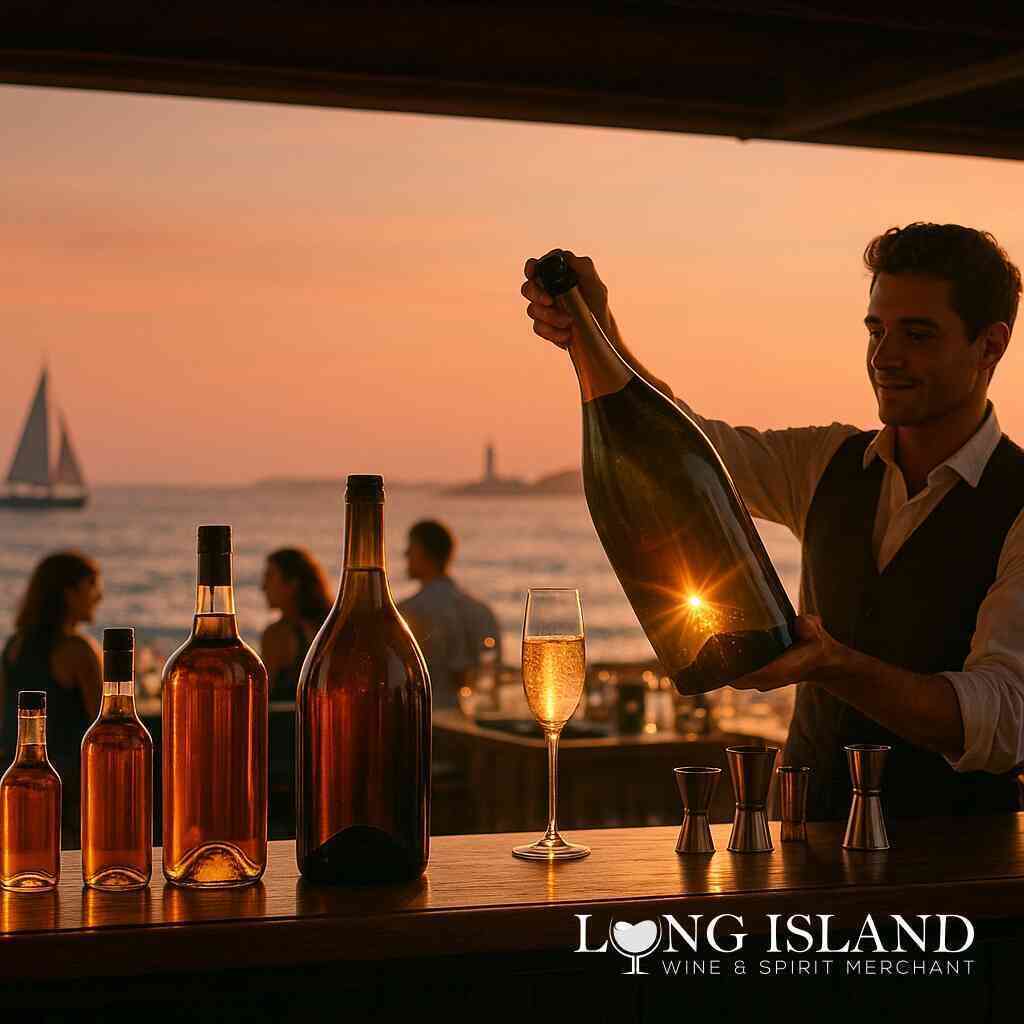
Understanding Bottle Sizes Before You Check the Proof
Many shoppers still judge a spirit by the number that follows the word “proof.” Strength is important, but on Long Island, veteran bartenders and collectors pay equal attention to another number in smaller print — the milliliters. Bottle capacity shapes cost, shelf life, and even the pace of service. This guide walks through the most common formats you will see in a premium liquor store, why they matter, and how smart sizing can stretch a budget without downgrading quality.
Why Volume Speaks Louder Than You Think
- Cost per ounce drops as bottles grow. A liter delivers roughly eight more shots than a standard 750 mL fifth, yet pricing rarely rises proportionally. For hosts planning a crowd, the math quickly favors the larger format.
- Fewer openings, fewer spills. A single 1.75 L handle of rum reduces mid-shift bottle swaps, which keeps bar tops clean and service quick.
- Shelf life shifts with oxygen exposure. Bigger bottles hold a smaller air-to-liquid ratio once opened, slowing the subtle oxidation that can flatten delicate aromas in vodka, gin, or tequila.
- Presentation counts. A magnum of Champagne commands attention at the table, turning an ordinary toast into a memory.
The Core Formats Lined Up on Long Island Shelves
Miniatures – 50 mL
Perfect for sampling an unfamiliar mezcal or building a tasting flight. They fit regulatory limits for airline carry-ons and reduce commitment for curious drinkers.
Half-Pints – 200 mL
Enough for two stiff cocktails or a pair of neat pours. Bartenders often use half-pints for recipe development because they waste less during experimentation.
Half-Bottles – 375 mL
A convenient size for couples who enjoy a Friday night martini but rarely finish a full fifth. Also popular in cocktail kits and corporate gift baskets.
The Classic Fifth – 750 mL
Still the industry default, holding about 17 standard 1.5-ounce shots. Ideal when variety matters more than volume, such as a home bar that stocks four or five base spirits at once.
The Liter – 1,000 mL
A sweet spot for busy bars and weekend parties. Those extra eight shots over a fifth can cover an additional round of Cosmos before anyone needs a new bottle.
The Handle – 1.75 L
Often called a “handle” because the plastic or glass jug usually sports a built-in grip. Great for high-volume cocktails—think frozen margaritas on Jones Beach.
Magnum – 1.5 L (Wine) / 1.5–1.75 L (Spirits Specialties)
Doubles the size of a standard wine bottle. For still reds and Champagne, the chemistry is ideal: more liquid, less oxygen, slower aging. Collectors on the North Shore prize magnums for milestone vintages.
Large-Format Showpieces – Three Liters and Up
Jeroboams, Rehoboams, and other Biblical-named giants typically appear during holidays. Restaurants uncork them tableside for theatrical flair, while private collectors tuck them away for anniversaries ten years out.
Matching Size to Occasion
| Occasion | Recommended Size | Reason |
|---|---|---|
| Backyard barbecue for 20 | 1.75 L handle of vodka or rum | Keeps cocktails flowing with minimal downtime |
| Wine-and-cheese date night | 375 mL premium Pinot Noir | Fresher finish and no half-empty bottle left over |
| New Year’s Eve toast | 1.5 L Magnum of Brut | Larger vessel keeps bubbles lively and looks festive |
| Craft-spirit exploration | 50 mL minis in a flight | Low risk, high variety |
Seasonal Demand Patterns in 2025
Long Island’s buying rhythm follows the weather and the calendar.
- Winter holidays: Three-liter sparklers move fastest from mid-November through New Year’s Day. Smart buyers secure them before Thanksgiving.
- Early spring weddings: Liter bottles of craft gin sell out when caterers lock menus for June ceremonies. Placing orders in March helps dodge distributor shortages.
- July and August beach season: Handles of tequila, coconut rum, and ready-to-drink mixers dominate carts heading to Fire Island ferries. Shops often run promotions on multi-liter coolers and bulk formats.
- Autumn tailgate weekends: 200 mL and 375 mL flasks ride along to college football lots, where portability and legal open-container limits matter.
Monitoring these cycles lets hosts plan purchases before demand peaks, ensuring the desired brand and size remain in stock.
Practical Buying Tips from Commack’s Warehouse Pros
- Calculate servings, then add 10 %. Guests invariably pour heavier at home gatherings than in a measured bar setting.
- Stick with a liter when the drink list is narrow. If the menu focuses on two signature cocktails, the liter keeps unit cost low without the storage burden of a handle.
- Use minis to educate a palate. Pick four 50 mL bourbons at different mash bills and taste side by side. The investment stays reasonable, knowledge skyrockets.
- Rotate open bottles. Even though larger formats slow oxidation, no spirit is immune. Plan to finish an opened magnum of Cognac within six months, a 750 mL whiskey within a year.
- Mind state shipping rules. Bottle size can affect legal volume limits for interstate delivery. A pair of magnums might clear where a single six-liter Methuselah exceeds personal import caps.
Beyond Economics: The Aesthetic Factor
Collectors often pay a premium for bottles that double as décor. Tall, frosted liters of premium vodka reflect under back-bar LEDs. A broad-shouldered 1.75 L Scotch with an embossed crest becomes a centerpiece on a walnut shelf. When resale value or gifting impression matters, the glass is part of the experience.
Final Pour
Bottle capacity does more than stretch—or strain—the budget. It influences freshness, speed of service, legal compliance, and visual impact. Whether selecting a liter of vodka for a high-energy charity gala or a set of minis to sample local gin, matching size to purpose sets the stage for a smoother, more satisfying pour. Next time you scan a Long Island shelf, glance past the proof and let the milliliters guide your hand.
Comparing Long Island's Premium Bottle Sizes with Shop Liquor


Comments
Post a Comment